 AfriqueUnie
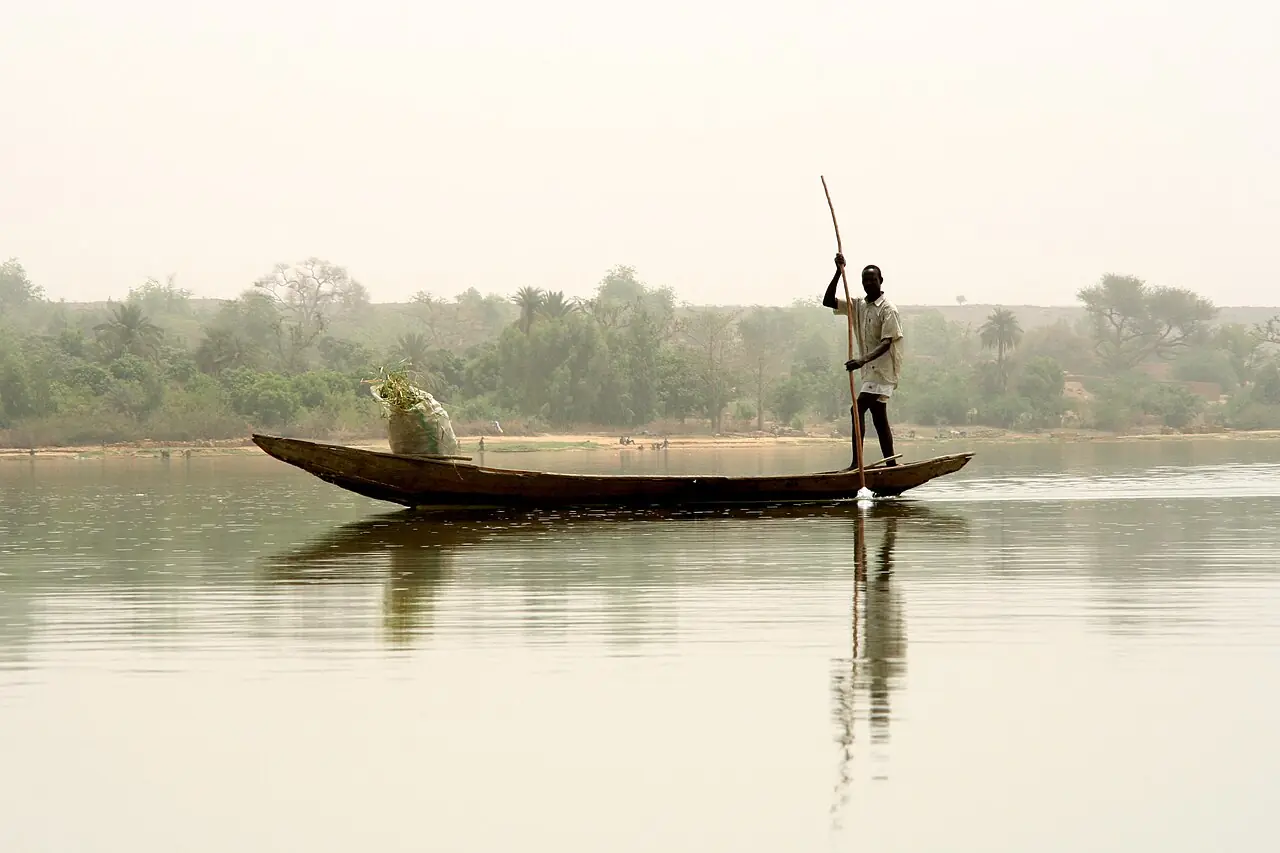 Photo: Dominik Schwarz · CC BY-SA 3.0
Published by Adama Doumbia, founder of Afrique Unie · updated 28 November 2026 · our method and sources
Why go
The Niger is Mali's backbone. Rising in the mountains of Guinea, it crosses the country in a huge arc to the north-east, spreads out into an inland delta of channels, lakes and floodplains, then skirts the Sahara at Timbuktu before turning back down towards Gao. Along its banks follow rice paddies, Bozo fishing villages with earthen houses, camps of Fulani herders who make their cattle swim across, and mud-brick mosques reflected in the calm water.
Travelling the river by pinasse, the long, flat-bottomed painted wooden boats, was long one of the finest experiences in the country, between Ségou, Mopti and Lake Débo. The inland delta, a Ramsar-listed wetland, is also home to countless water birds. Much of the river's course, however, passes through areas where all travel is currently advised against because of insecurity.
Getting there
In normal times, you boarded at Ségou or Mopti, the latter, at the confluence of the Niger and the Bani, being the great river port of the centre. Trips lasted from a few hours to several days depending on the route. Current conditions rule out these river journeys; stick to the official advice.
 Côte d'Ivoire
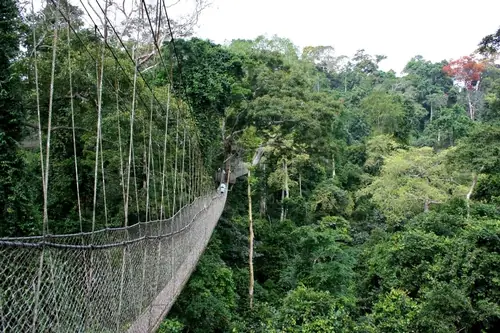
 Ghana
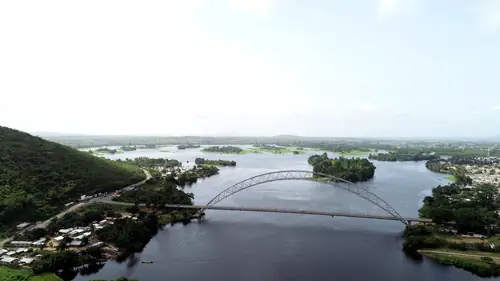
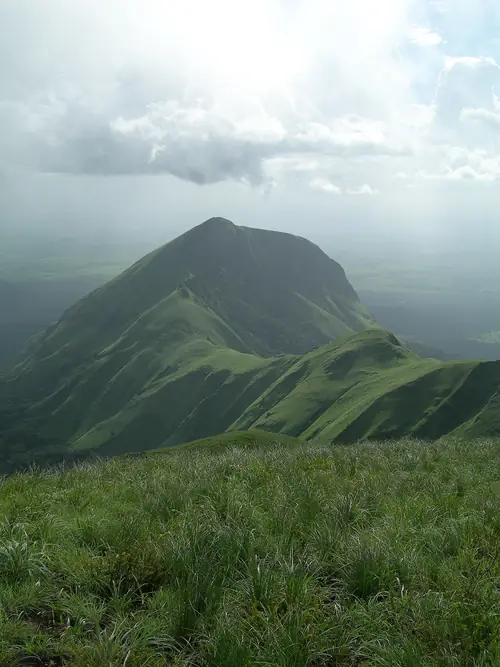
 Guinea