AfriqueUnie
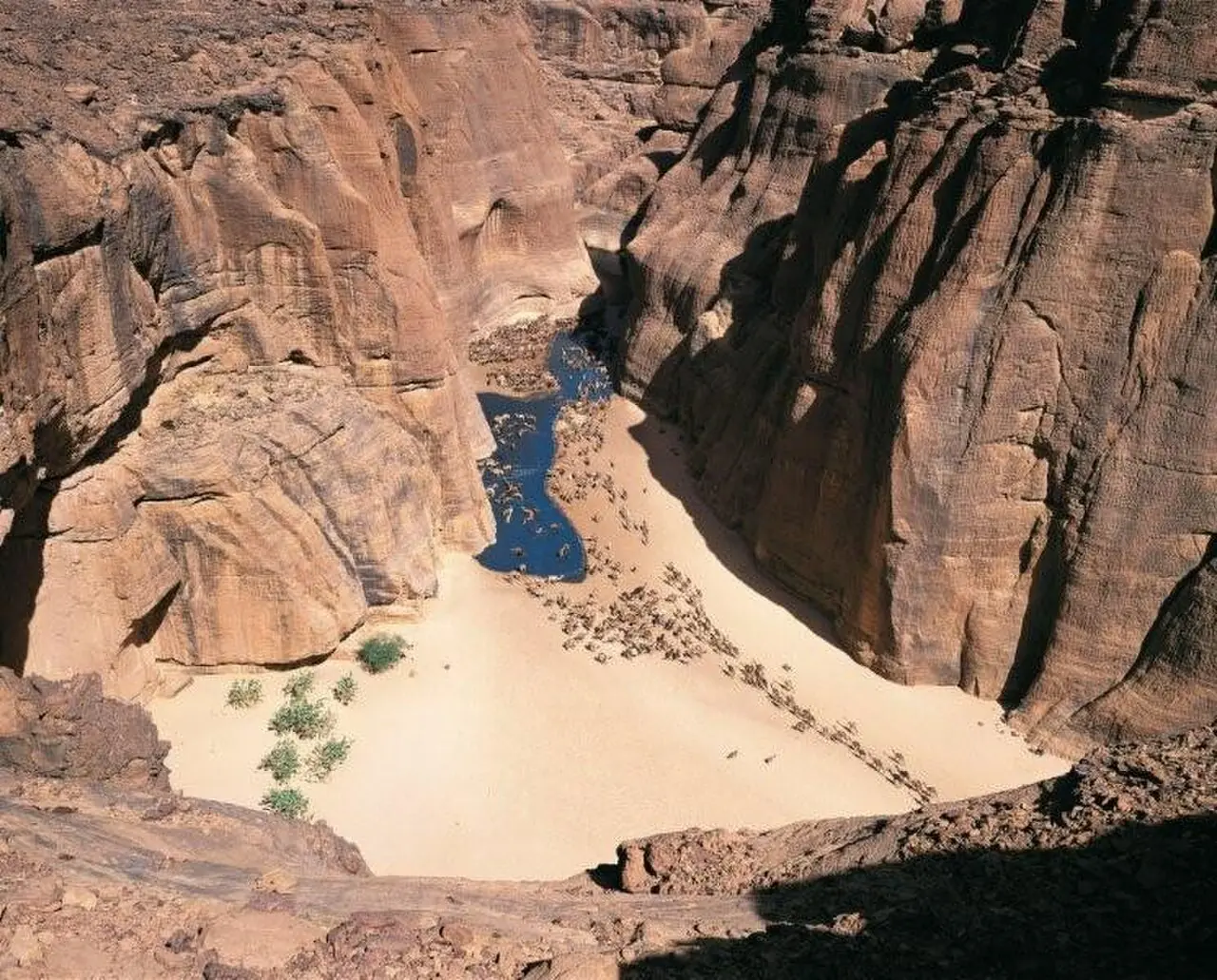 Photo: Desertman · CC BY-SA 3.0
Published by Adama Doumbia, founder of Afrique Unie · updated 28 November 2026 · our method and sources
Safety: what the official sources say
The French foreign ministry says the whole country is either orange (advised against except for essential reasons) or red (formally advised against). Formally advised against are the Tibesti and Ennedi provinces and eastern Borkou (except Bardaï), the Lake Chad region (except Bol) and the border areas with neighbouring countries. It describes the kidnapping threat to Westerners as high.
The UK government advises against all travel to the Borkou, Ennedi Ouest, Ennedi Est and Tibesti provinces, western Kanem, the Lake Chad region and within 30 km of Chad's other borders, and against all but essential travel to the rest of the country, including N'Djamena. It says British consular help is provided remotely from Yaoundé.
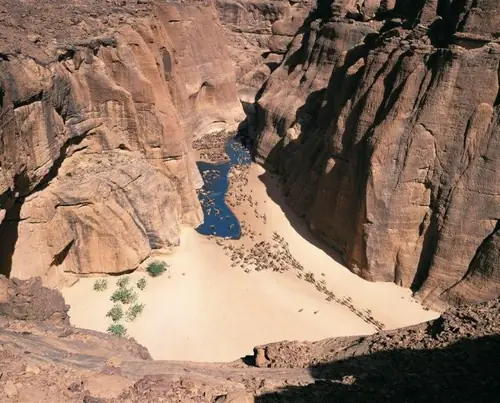
In practice, the most striking sites, such as the Ennedi massif and the Lakes of Ounianga, lie in areas both sources formally advise against. Travelling against this advice can invalidate your insurance. Zakouma National Park, in the south-east, is generally visited on organised stays run by specialist operators: ask about their security arrangements and check the official maps before booking.
Budget: an expensive country for visitors
- Rough figure: A stay in N'Djamena in a secure hotel, with meals and a car with driver, often costs €100–€200 per person per day, and more with an escort. These figures are indicative: we found no official source on prices.
- Tight budget: Independent budget travel is not realistic: the French foreign ministry advises against motorbike taxis and walking around, and recommends staying only at secure sites.
- Accommodation: Hotels meeting security recommendations are few and expensive. They are the biggest cost.
- Transport: Flying is preferred outside the capital. By road, France recommends a convoy of at least two vehicles, by day only, escorted by Chadian security forces.
- Organised stays: Organised trips to Zakouma are sold as packages, often costing several hundred euros a day including internal flights. Compare offers and what they include.
Money: Central African CFA francs and cash
The currency is the Central African CFA franc (XAF), pegged to the euro at a fixed rate: €1 is worth 655.957 CFA francs. It is not used in shops in the West African CFA franc zone, despite the same rate.
Chad runs mostly on cash. Cash machines are mainly in N'Djamena, few in number, and do not always accept foreign cards. Cards are used in only a handful of large hotels. Bring euros in cash and a card as back-up.
Do not carry large sums or change money in the street: the French foreign ministry reports rising crime in the capital, sometimes violent.
Visa and passport
Information checked in November 2026. These rules can change: read the official sources again before you travel.
French and British nationals need a visa, and no visa is issued at the border. The UK government says that since May 2026 applications are made online on the official e-Visa platform (evisa.td), where you fill in the form, upload documents, pay and track your application. The Chadian authorities recommend applying at least seven days before travel.
The French foreign ministry's page still refers to applying at a Chadian embassy or consulate. If in doubt, ask the Chadian embassy. We could not confirm the visa fee from an accessible official source: check it on the platform.
Your passport must be valid for at least six months after the date you arrive. For stays over 72 hours, the UK says you must register with the police at the Commissariat Central in N'Djamena, bringing a passport photo. Always carry your passport on journeys between towns.
France strongly recommends entering Chad through N'Djamena airport. The border with Libya is closed.
Health and vaccinations
Yellow fever: according to the US CDC, a certificate is required of travellers aged nine months or over arriving from a risk country, including after a transit of more than twelve hours. The CDC recommends the vaccine for travel south of the Sahara but not for travel limited to the Saharan zone. The French foreign ministry describes vaccination as compulsory: get vaccinated at least ten days before you leave and carry the certificate.
Malaria is present throughout the country. Prevention combines protection against mosquito bites and preventive medication, decided with a doctor. Meningitis (in the dry season) and dengue (in the rainy season) are also reported; swimming in the Chari and Logone rivers is advised against because of bilharzia, and banned in N'Djamena.
Healthcare is very limited outside the capital. Insurance covering treatment and medical evacuation is essential: check that it covers a country under such advice.
Before you go: the checklist
- Reason to travel: Read the official maps again: the whole country is orange or red for France, and at least all-but-essential for the UK.
- Visa: Online application on the official evisa.td platform at least seven days ahead, or ask the Chadian embassy.
- Passport: Six months' validity on arrival; police registration after 72 hours.
- Vaccinations: Yellow fever with certificate, and a doctor's appointment for malaria and meningitis.
- Official sources: Read the Chad page on gov.uk/foreign-travel-advice and the Tchad page of « Conseils aux voyageurs » on diplomatie.gouv.fr. Sign up for travel alerts before you go.
- Insurance: Treatment, evacuation and repatriation, checking exclusions for areas advised against.