The arches of the Ennedi, the lakes of Ounianga and Zakouma National Park: Chad is an expedition destination, best arranged through a specialist operator while keeping a close eye on security advice.
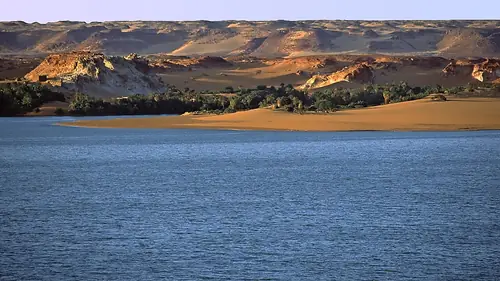
Chad is one of Africa's last great expedition countries. In the north, the Sahara takes on forms you'll see nowhere else: the sandstone arches and labyrinths of the Ennedi Plateau, where rainwater collects in gueltas inhabited by rare desert crocodiles; the Lakes of Ounianga, a string of blue, green or reddish waters set among the dunes; and the volcanic mountains of the Tibesti, the highest range in the Sahara. These landscapes have remained almost empty of visitors, and you travel through them in a convoy of four-wheel drives, camping under a sky of rare clarity.
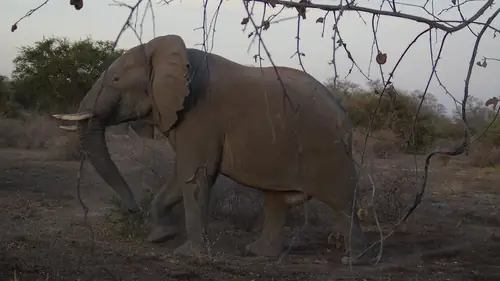
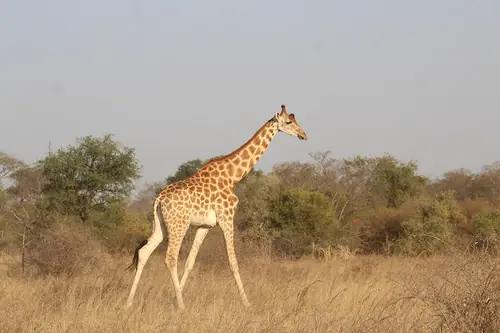
In the south, the scenery changes completely. Zakouma National Park, long ravaged by poaching, has become one of the finest examples of wildlife recovery in Africa: elephants are numerous again, buffalo herds number in the hundreds, and you can see Kordofan giraffes, lions, antelope and a profusion of birds around the dry-season waterholes. Between these two worlds, the Sahel, with its nomadic herders, livestock markets and gatherings such as the Wodaabe Gerewol, offers an intense human immersion.
You need to be clear-eyed, though: Chad is not a destination to improvise. A large part of the country, notably the border areas and certain regions of the north and east, is subject to security warnings from foreign ministries, and some areas are strictly advised against. Trips are made with a specialist agency, registered with the authorities, which handles permits, logistics and security. Before making any plans, check your government's latest official travel advice. Within this rigorous framework, Chad rewards those who venture there with experiences of rare intensity.
History and culture
Chad is a land of very ancient history. It was in the Djurab Desert that the skull of Toumaï was discovered in 2001, one of the oldest known representatives of the human lineage, some seven million years old. The rock paintings and engravings of the Ennedi and Tibesti bear witness to a time when the Sahara was green. Later, powerful Sahelian kingdoms followed one another here, such as Kanem-Bornu around Lake Chad, Baguirmi and Wadai, enriched by trans-Saharan trade.
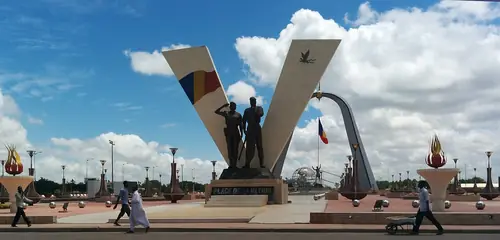
At the end of the nineteenth century, France established itself after defeating the warlord Rabih in 1900, and founded Fort-Lamy, the future N'Djamena. Independent on 11 August 1960, the country went through decades of civil war, rebellion and foreign intervention. Oil, exploited since the early 2000s, has changed the economy, but Chad remains one of the poorest countries in the world, facing regional security challenges and an influx of refugees.
8 experiences not to miss in Chad
Photo : Desertman · CC BY-SA 3.001Pass through the arches of the EnnediCamp at the foot of giant sandstone arches and discover rock paintings thousands of years old.
04Attend the GerewolIf the opportunity arises with a specialist agency, see the dances and adornments of the Wodaabe nomads.
05Visit the National MuseumIn N'Djamena, see a replica of the Toumaï skull among other things, along with objects from Chad's cultures.
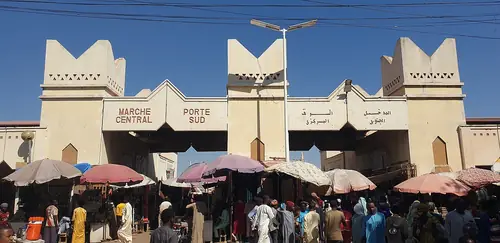
Photo : Korom10 · CC BY 4.006Explore N'Djamena's Grand MarchéLose yourself among stalls of spices, fabrics, calabashes and Tuareg and Arab crafts.
07Meet the caravansCome across camel caravans in the desert and share tea with Toubou nomads.
08Camp under the starsSpend nights in the desert, far from any light, under an exceptionally clear sky.
When to go to Chad
The best time to travel is from November to February, during the cool dry season. Daytime temperatures are pleasant, and nights in the desert can be cold, sometimes close to freezing. From March to May the heat becomes overwhelming, especially in the Sahel and in N'Djamena, where it regularly tops 40 degrees. The rainy season, from about June to September, mainly affects the south and the Sahel, making many tracks impassable. Zakouma National Park is generally open from December to May, with the end of the dry season the best time to watch wildlife around the waterholes.
Getting around
Distances are immense and infrastructure limited. N'Djamena is linked to a few provincial towns by air, but expeditions to the north are almost always made by four-wheel drive, with experienced drivers, a cook and full logistics, organised by a specialist agency. Allow several days on the tracks to reach the Ennedi or Ounianga from the capital. For Zakouma, charter flights or a long road journey are possible. In N'Djamena, taxis are plentiful and often shared; agree the fare before getting in. Checkpoints are frequent on the roads: always keep your papers and permits to hand.
Etiquette and customs
Chad is predominantly Muslim in the north and centre, and Christian or animist in the south. Wear covering clothes, particularly if you are a woman, and respect prayer times and the Ramadan fast. Greet people at length, in French or Chadian Arabic, with a “salam aleykoum”. Photography is tightly regulated: an official permit was long required, and it is forbidden to photograph public buildings, soldiers and infrastructure. Ask your agency for guidance. Always ask people's permission before photographing them, especially in nomadic communities. Accept tea when it is offered: it is an important sign of hospitality.
Food and drink in Chad
Chadian cooking is simple and filling. Boule, a thick dough of millet, sorghum or maize, is served with a sauce such as daraba, made with okra, vegetables and groundnut paste. Kissar, a thin flatbread made from fermented sorghum flour, recalls Ethiopian injera and accompanies stews. In the north, people eat rice, grilled goat or mutton and dates. Fish from Lake Chad and the Chari, often dried or smoked, is popular. To drink, karkanji, hibiscus juice flavoured with ginger, and mint tea, served in three glasses, accompany meals and meetings.
The best time to visit Chad: November to February.
What should I see first in Chad?
The must-sees: Ennedi Plateau, Lakes of Ounianga, Zakouma National Park.
Which cities should I visit in Chad?
N'Djamena, Faya-Largeau, Sarh. The capital is N'Djamena.
How much should I budget for a trip to Chad?
Mid-range: around €60–120 per person per day, excluding flights. This is only a guide and depends above all on the accommodation and activities you choose.
What currency and languages are used in Chad?
Currency: Central African CFA franc (XAF). Languages: French, Arabic.
How do I get to Chad?
The main international airport has the code NDJ. Compare flights with the ‘Flights’ button on this page.
Do I need a visa to visit Chad?
Entry requirements depend on your nationality and change regularly. Check them on the country's official website or with your foreign ministry before booking, and make sure your passport is valid.
What should I eat in Chad?
Dishes to try while you're there: Millet boule, daraba, kissar.
Map
Chad on the map
Cities Places to see · Approximate positions
On the ground
Getting around and staying healthy
Getting around
Distances are huge and domestic flights are rare and irregular: most travellers go through a specialist agency that arranges transfers and expeditions. Buses and bush taxis link N'Djamena with the main towns in the south, but roads deteriorate badly in the rainy season. For Ennedi, Ounianga or Zakouma, a 4x4 with driver and guide is essential, along with the required permits. Traffic drives on the right; check the security situation before every journey.
Health and safety
Yellow fever
Certificate required only if you arrive from, or transited through, a country with a risk of yellow fever (from 9 months, incl. airport transits over 12 h); vaccine: recommended south of the Sahara; not recommended for travel limited to the Sahara.
Malaria
Present throughout the country: ask a doctor about preventive medication and protect yourself from mosquitoes.
Water and food
Unless your accommodation says otherwise, drink sealed bottled or filtered water, and wash your hands often.
Source: US CDC, November 2026. Rules change: see a travel health clinic before you leave, and the UK Foreign Office travel advice for safety.
Useful numbers
Local emergency numbers
Police: 2020 or 117 or 17 Ambulance: 112 or 18 Fire: 112 or 18 FCDO: police 2020 or 117, ambulance and fire brigade 112 or 18; Viaggiare Sicuri: police 17, fire brigade 18.
Affiliate cookiesWe would like to load a script from our partner Travelpayouts. It may set cookies so that we receive a commission when you book through our links, at no extra cost to you. If you decline, the site works in exactly the same way. Find out more
 AfriqueUnie
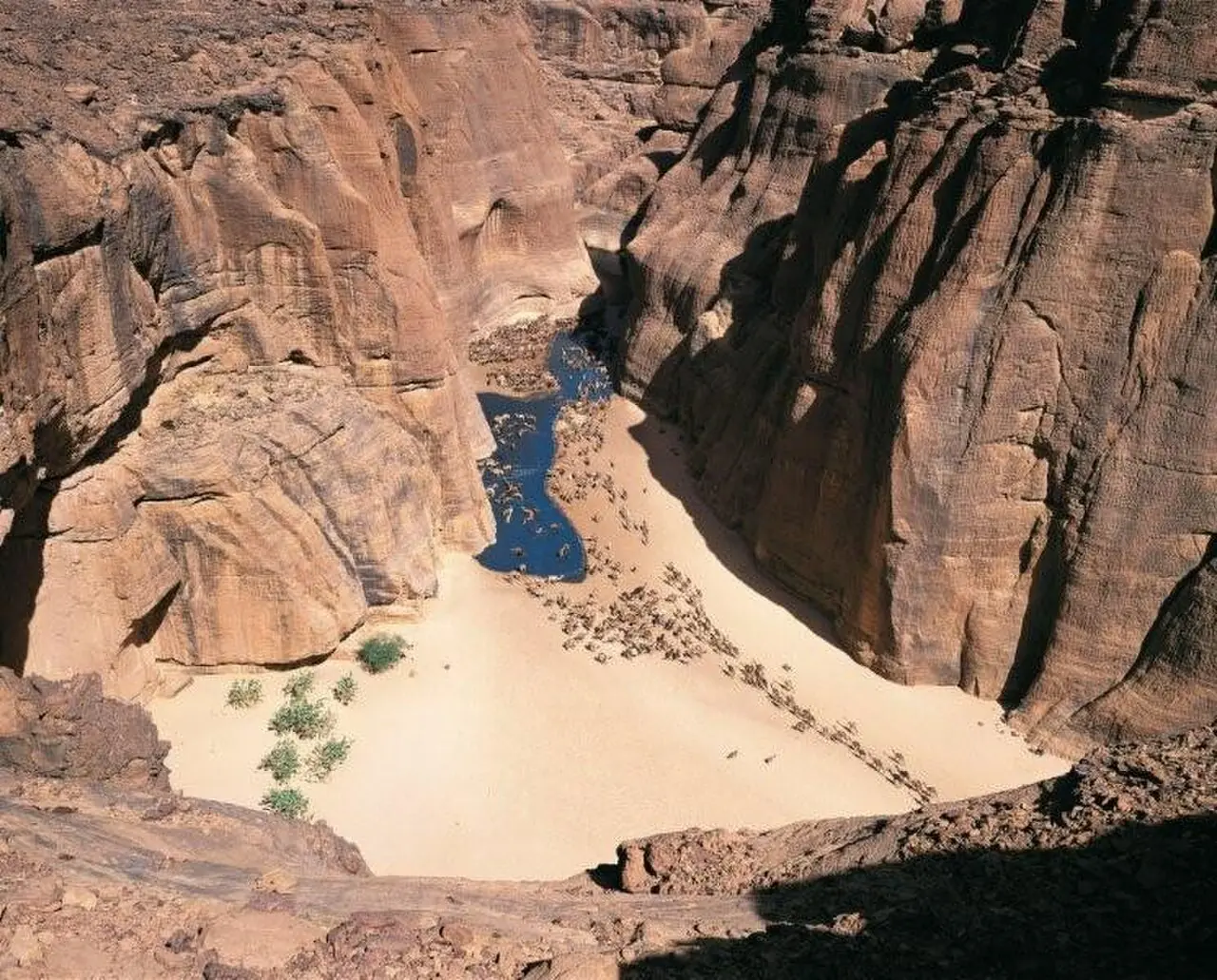 Photo: Desertman · CC BY-SA 3.0
 Chad
 Angola
 Cameroon
 Central African Republic
 DR Congo
 Equatorial Guinea
 Gabon
 Republic of the Congo
 São Tomé and Príncipe