AfriqueUnie
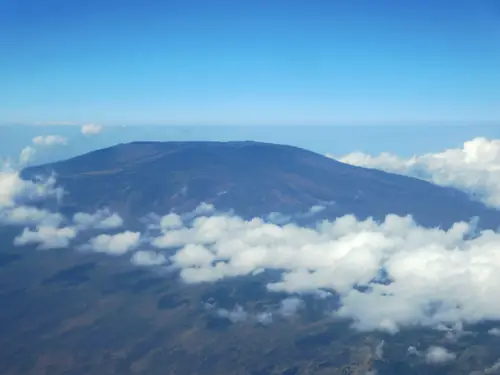
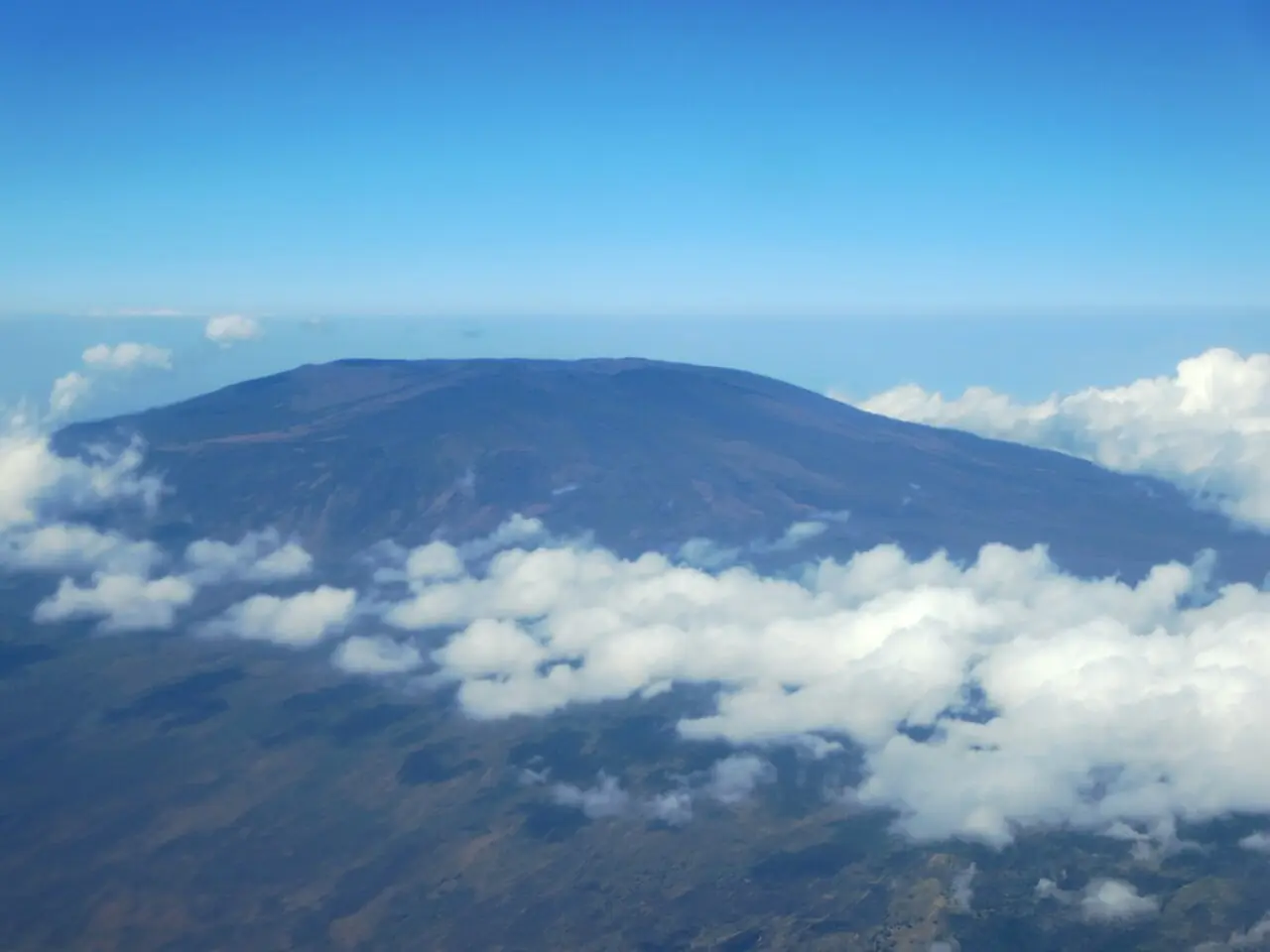 Photo: David Stanley from Nanaimo, Canada · CC BY 2.0
Published by Adama Doumbia, founder of Afrique Unie · updated 28 November 2026 · our method and sources
Daily budget
These are rough figures per person per day, excluding the international flight and flights between the islands. They cover accommodation (two people sharing a room), meals, local transport and a few visits.
On a tight budget, allow roughly €40 to €70, staying in guesthouses or simple hotels, eating at local canteens and getting around by shared taxi. For a comfortable trip, allow about €90 to €160, with a good hotel in Moroni or an eco-lodge on Mohéli, a car with driver and a few guided outings. At the top end, allow €200 or more, bearing in mind that there is very little luxury accommodation in the archipelago.
Mohéli and Anjouan have fewer places to stay than Grande Comore, so book ahead. In July and August, the season of the 'grand mariage' weddings and of the diaspora's return, flights and rooms fill up quickly.
What is expensive and what costs next to nothing
- Inter-island travel: Often the biggest cost after the international flight: flights between Grande Comore, Mohéli and Anjouan are expensive and schedules change often. The French foreign ministry considers most boats not to meet international safety rules, with the notable exception of the SGTM company.
- Accommodation: Few places of international standard, almost all in Moroni. Elsewhere you will mostly find simple guesthouses and eco-lodges.
- Local meals: Grilled fish, mataba or pilau at a local canteen cost a few euros. Lobster with vanilla costs considerably more in hotel restaurants.
- Excursions: Climbing Mount Karthala with a guide, or a boat trip to see turtles or humpback whales around Mohéli: prices are negotiated with local guides. Check what is included.
- Medical emergencies: A medical evacuation out of the archipelago is very expensive: repatriation cover is not optional.
Money: Comorian francs, cash and euros
The currency is the Comorian franc (KMF), pegged to the euro at a fixed rate: €1 is worth 491.96775 Comorian francs. Euros are therefore the most practical currency to bring.
There are very few banks and cash machines on the three islands, and the French foreign ministry reports that those in Moroni work erratically. Cards are not always accepted, even in hotels: check before you book. Euro cheques are refused, hotels included. Bring most of your budget in cash and keep it in several places.
Some hotels and restaurants accept euros but give change in Comorian francs. Local mobile payment services exist, but they are of little use on a short trip.
Tipping is not compulsory. A small amount for a guide or driver is appreciated.
Visa and passport
Information checked in November 2026. These rules can change: read the official sources again before you travel.
French and British nationals need a visa. It is issued on arrival at Moroni-Hahaya international airport. The French foreign ministry gives a cost of about 30 euros, and the UK government also quotes 30 euros. Have the amount in cash: we found no official source guaranteeing card payment at the airport. Other EU, Swiss and Canadian citizens are in principle subject to the same rule: check with the Comoros embassy.
To get the visa, the French foreign ministry says tourists must show a return ticket, the address where they are staying and 30 euros per day of funds, meaning proof that they have that amount for each day of their stay. The official sources we consulted do not state how long a stay is granted: ask the embassy if you plan to stay several weeks.
Passport: the UK government requires it to be valid for at least six months after the date you arrive. The French foreign ministry sets no period; to be safe, travel with six months' validity.
Safety: the French foreign ministry puts the whole archipelago under heightened vigilance, with no area formally advised against, and the UK government advises against no region. The main risks it highlights are medical (inadequate care in Moroni, none on Anjouan and Mohéli), volcanic and seismic (Karthala, including under the sea) and maritime (piracy in the region, boats that often fail safety standards). Boarding the small boats known as kwassa-kwassa between the islands is illegal and can lead to prison and a fine. Bag snatching is rare but possible at markets and on beaches.
Health and vaccinations
The yellow fever vaccine is neither required on entry nor recommended for the Comoros, according to the US Centers for Disease Control and Prevention (CDC). Check your routine vaccines and ask about hepatitis A, typhoid and rabies.
Malaria is present throughout the archipelago. Prevention combines protection against mosquito bites (repellent, covering clothes, a mosquito net) and, in most cases, preventive medication: only a doctor can prescribe it. If you develop a fever during your stay or after you return, seek medical advice straight away.
The French foreign ministry also warns of the risk of cholera: drink sealed bottled water, eat well-cooked food and wash your hands often. Medical facilities on all three islands are basic and mostly private, and power and water cuts disrupt hospitals. Bring enough of your usual medication, a full first-aid kit, and insurance covering medical evacuation.
Before you go: the checklist
- Passport: Valid for at least six months after the date you arrive, to be safe.
- Visa and cash: About €30 in cash for the visa on arrival, plus enough to show €30 per day of your stay.
- Tickets and address: A return ticket and the address of your first night's accommodation, needed for the visa.
- Malaria: A medical appointment a few weeks before departure; repellent and a mosquito net in your bag.
- Official sources: Read the Comoros page on gov.uk/foreign-travel-advice and the Comores page of « Conseils aux voyageurs » on diplomatie.gouv.fr. Prepare any climb of Mount Karthala with an experienced guide, and do not camp inside the caldera.
- Insurance: Medical costs and evacuation, essential given the standard of local healthcare.