A volcanic archipelago scented with ylang-ylang and vanilla, the Comoros offer an authentic journey through Swahili medinas, an active volcano and sea turtles.
Between the northern reaches of the Mozambique Channel and the tip of Madagascar, the Union of the Comoros brings together three volcanic islands, each with a temperament of its own: Grande Comore, or Ngazidja, dominated by Mount Karthala and its black lava flows; Anjouan, or Ndzuani, mountainous and covered in terraced fields and rivers; and Mohéli, or Mwali, the smallest and wildest, where turtles come ashore to lay their eggs on beaches without a single hotel. Tourism here is still in its infancy, and that is precisely what makes the islands so valuable: you will find no beach resorts and no packaged excursions, just islands lived in, day to day, by the people who call them home.
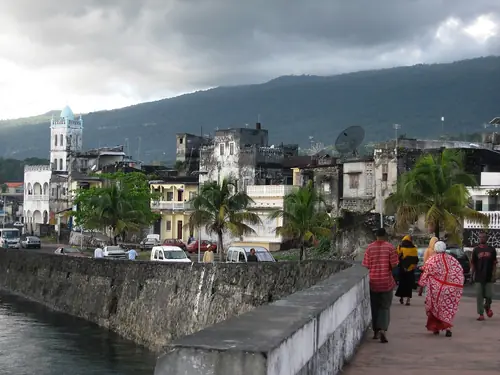
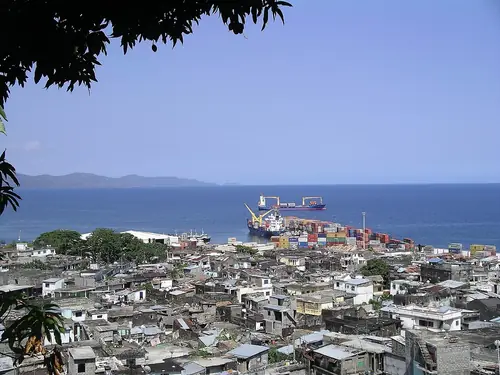
The archipelago is steeped in the Swahili culture that links the shores of East Africa, from Lamu to Zanzibar. The medinas of Moroni and Mutsamudu, with their narrow lanes, carved doors and white mosques, recall the age of the sultanates and the dhow trade. Islam sets the rhythm of the day, the call to prayer rises above the rooftops, and women wear the chiromani, a brightly coloured wrap, and sometimes the msindzano, a sandalwood beauty mask, on their faces.
The Comoros are also the perfume islands: ylang-ylang is distilled in small village stills, while vanilla, cloves and cinnamon dry in the sun outside the houses. Travelling here calls for flexibility, as infrastructure is limited and connections between the islands can be unpredictable. In return you will discover heartfelt hospitality, powerful volcanic landscapes, rich underwater life and celebrations such as the grand marriage, the anda, which brings entire villages together on Grande Comore.
History and culture
Settled in the first millennium by Bantu peoples and seafarers from across the Indian Ocean, the Comoros were drawn into the Swahili world and embraced Islam very early on. Rival sultanates, often tied to families from the East African coast and Arabia, divided the islands between them. In the 19th century France first established itself on Mayotte, then declared a protectorate over the other islands, before attaching them to the colony of Madagascar.
In 1975 Grande Comore, Anjouan and Mohéli declared independence, while Mayotte remained French, an issue that is still sensitive today. The decades that followed were marked by numerous coups, several of them involving the mercenary Bob Denard, and by a separatist crisis on Anjouan in the late 1990s. Since 2001 a federal constitution has governed the Union of the Comoros.
Photo : Woodlouse · CC BY-SA 2.002Wander through Moroni's medinaNarrow lanes, carved doors and the old Friday Mosque on the waterfront.
03Watch turtles nestingOn Mohéli, green turtles come ashore at night to lay their eggs on the beaches of Itsamia.
04Visit an ylang-ylang distilleryOn Anjouan, discover how the flowers destined for the perfume industry are distilled by hand.
Photo : Peioma · CC BY-SA 3.005Explore the citadel of MutsamuduThe sultan's fortress towers over the medina and the port of Anjouan.
06Attend a grand marriageIf you are invited, a lavish ceremony of songs, dances and processions.
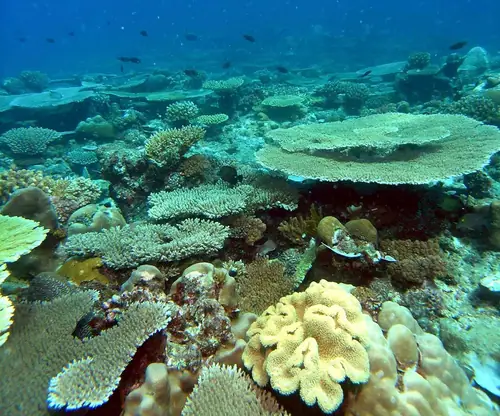
07Dive off Grande ComoreCoral reefs and volcanic drop-offs, with a good chance of meeting turtles.
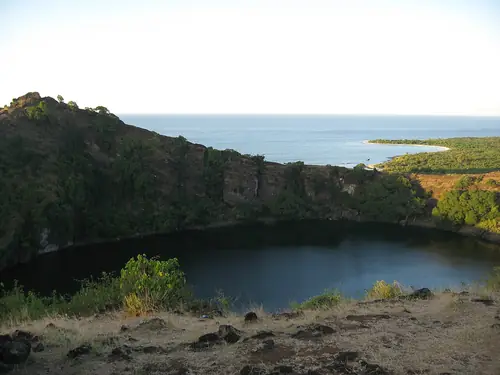
08Swim at the Trou du ProphèteA white-sand cove in the north of the island, framed by black lava.
When to go to the Comoros
The cool, dry season from May to November is the most pleasant time to visit: temperatures are moderate, the sea is calm and rain is rare. It is also the ideal time to climb Mount Karthala, as the trails are less muddy, and to watch humpback whales, which are present from July to October. From December to April the hot, humid season brings heavy rain, sticky heat and a risk of cyclones. Ramadan, whose dates shift every year, changes the pace of life: restaurants are often closed during the day, but the evenings are lively.
Getting around
The international airport is on Grande Comore, north of Moroni, and receives flights from East Africa, the Middle East and France via connections. Domestic flights and boats run between the islands, but schedules are irregular and cancellations frequent, so build a few spare days into your plans. On each island you get around by shared taxi, bush taxi or hired car with driver. Roads are often narrow and in poor condition. For sea or mountain excursions, use recognised local guides.
Etiquette and customs
The Comoros are a devoutly Muslim country. Modest clothing is expected away from the beaches, for men and women alike, and public displays of affection are best avoided. Alcohol is hard to find and should be drunk discreetly. Greet people with a “Salam aleikum” and take time to chat before asking for anything. Always ask permission before photographing anyone, especially women. During Ramadan, avoid eating, drinking or smoking in public during the day. Invitations to share a meal are frequent, and accepting is a mark of respect.
Food and drink in the Comoros
Comorian cooking blends Swahili, Arab, Indian and African influences, with coconut milk and spices as its common thread. Lobster with vanilla, now an emblematic dish, marries seafood with the local spice. Mataba, pounded cassava leaves simmered in coconut milk, often with fish, accompanies most meals. Pilaou, rice fragrant with spices and meat, is the dish for celebrations. Try too the ndrovi, green bananas boiled or fried, grilled fish and mkatra foutra, a coconut flatbread. Fresh fruit juices, soursop in particular, are delicious.
The best time to visit the Comoros: May to November.
What should I see first in the Comoros?
The must-sees: Mount Karthala, Mohéli Marine Park, Lac Salé.
Which cities should I visit in the Comoros?
Moroni, Mutsamudu, Fomboni. The capital is Moroni.
How much should I budget for a trip to the Comoros?
Mid-range: around €60–120 per person per day, excluding flights. This is only a guide and depends above all on the accommodation and activities you choose.
What currency and languages are used in the Comoros?
Currency: Comorian franc (KMF). Languages: Comorian, French, Arabic.
How do I get to the Comoros?
The main international airport has the code HAH. Compare flights with the ‘Flights’ button on this page.
Do I need a visa to visit the Comoros?
Entry requirements depend on your nationality and change regularly. Check them on the country's official website or with your foreign ministry before booking, and make sure your passport is valid.
What should I eat in the Comoros?
Dishes to try while you're there: Vanilla lobster, mataba, pilau.
Map
Comoros on the map
Cities Places to see · Approximate positions
On the ground
Getting around and staying healthy
Getting around
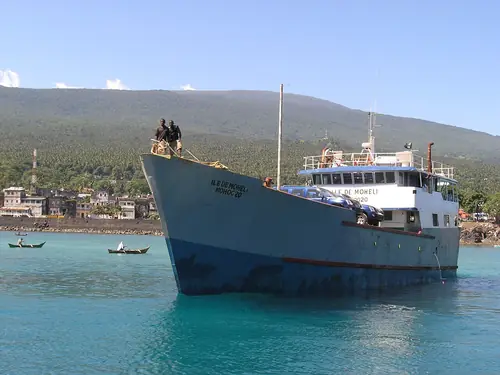
Inter-island flights almost always go through Moroni, on Grande Comore, to Anjouan and Mohéli, but airlines and schedules change often, so check shortly before you go. Boats also link the islands, with irregular schedules and variable comfort. On each island, shared taxis are the most common way to get around, and you can hire a car with driver to tour the island. Traffic drives on the right.
Health and safety
Yellow fever
No certificate required on entry; vaccine generally not recommended.
Malaria
Present throughout the country: ask a doctor about preventive medication and protect yourself from mosquitoes.
Water and food
Unless your accommodation says otherwise, drink sealed bottled or filtered water, and wash your hands often.
Affiliate cookiesWe would like to load a script from our partner Travelpayouts. It may set cookies so that we receive a commission when you book through our links, at no extra cost to you. If you decline, the site works in exactly the same way. Find out more
 AfriqueUnie
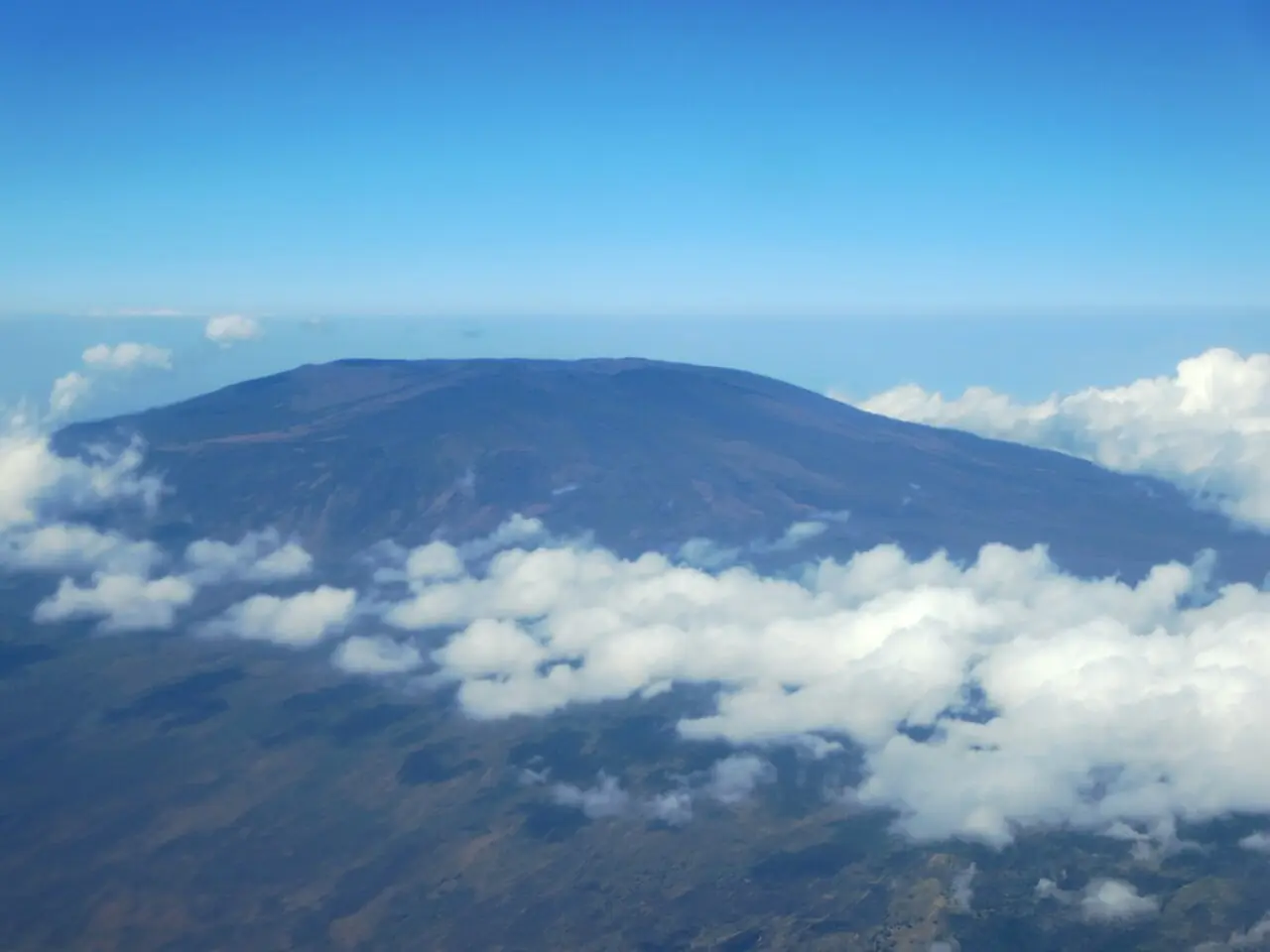 Photo: David Stanley from Nanaimo, Canada · CC BY 2.0
 Comoros
 Madagascar
 Mauritius
 Seychelles