AfriqueUnie
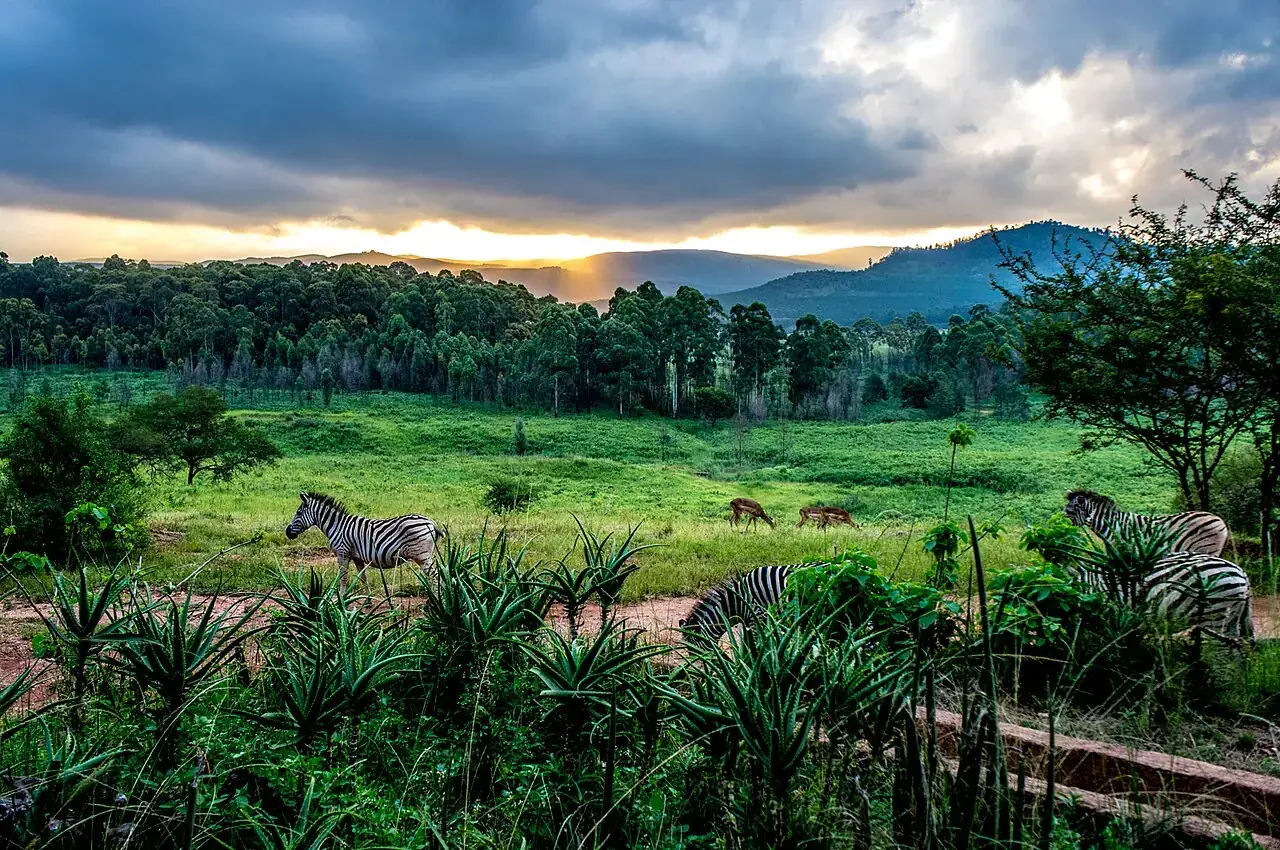 Photo: Vaiz Ha · CC BY 2.0
Published by Adama Doumbia, founder of Afrique Unie · updated 28 November 2026 · our method and sources
Daily budget
These are rough figures per person per day, excluding the international flight. They cover accommodation (two people sharing a room), meals and local transport.
On a tight budget, allow roughly €40 to €60, staying in hostels or reserve campsites and cooking or eating simply. For a comfortable trip, allow about €90 to €160, with a mid-range lodge or hotel, a shared hire car and a few guided game drives. At the top end, allow €250 or more in safari lodges where meals and activities are included.
Most travellers arrive by car from South Africa: hire costs and fuel weigh on the budget, especially if you travel alone.
What is expensive and what costs next to nothing
- Safari lodges: At Hlane, Mkhaya or Mlawula, packages with meals and guided outings are the main cost of the trip.
- Car hire: The easiest way to get around. If you rent in South Africa, tell the company you are crossing the border: specific paperwork may be needed.
- Reserves: Mlilwane, Hlane, Mkhaya and Malolotja charge entry fees and for activities. Check prices with each reserve.
- Road tax: A vehicle registered outside Eswatini pays an entry fee, at least 50 emalangeni according to the French foreign ministry, payable in cash.
- Crafts and markets: Candles, basketry, weaving and simple meals in the Ezulwini Valley stay cheap.
Money: lilangeni, rand and cards
The currency is the lilangeni (SZL, plural emalangeni), pegged one-to-one to the South African rand, which is accepted everywhere in the country. The reverse is not true: keep rand rather than emalangeni if you are heading back to South Africa.
According to the French foreign ministry, international cards are widely accepted, but cash machines are fairly rare and concentrated in Mbabane, Manzini and the Ezulwini Valley. Withdraw before heading to the eastern reserves and keep cash for the road tax, small shops and tips.
Tipping is customary: around 10% in restaurants, a small amount for petrol attendants and car guards, more for guides.
Visa and passport
Information checked in November 2026. These rules can change: read the official sources again before you travel.
British and French nationals can visit without a visa for up to 30 days. The UK government says a 30-day extension can be requested from the Ministry of Home Affairs. Check the date on your entry stamp. Other EU, Swiss and Canadian nationals should check the rule that applies to them.
Passport: the UK government asks for at least three months' validity after arrival and two blank pages, plus two more if you are also travelling to South Africa; the French foreign ministry asks for more than six months after you leave Eswatini. Every border crossing adds stamps, so allow a margin.
Border posts, eleven with South Africa and two with Mozambique according to the French ministry, are not open around the clock: usually from 7am to 6pm. If you are travelling with a child through a South African airport, check South Africa's rules.
Health and vaccinations
Yellow fever: a certificate is required from the age of 9 months if you arrive from a country where the disease is present, including after an airport transit of more than 12 hours. In principle it is not required for a direct flight from Europe or arrival from South Africa. You may be asked to fill in a health form on arrival.
Malaria is present in the east of the country: the Lubombo region, home to Hlane, Mlawula and Mkhaya, and the eastern half of the other regions. The west, around Mbabane, is not affected. If you are combining your trip with Kruger or Mozambique, ask a doctor about bite avoidance and possible preventive medication.
Check your routine vaccines and ask about hepatitis A, typhoid and rabies. Medical care is limited outside towns: insurance covering repatriation is essential.
Before you go: the checklist
- Passport: Six months' validity after you leave, to be safe, and extra blank pages if you are also visiting South Africa or Mozambique.
- Borders: Check the opening hours of your crossing and keep cash for the road tax.
- Car: Permission from the rental company to cross the border, and the vehicle's papers.
- Health: Medical advice on malaria if you are going east; a yellow fever certificate if you are coming from a country at risk.
- Official sources: The Eswatini page on gov.uk/foreign-travel-advice and the Eswatini page of « Conseils aux voyageurs » on diplomatie.gouv.fr. France asks for increased vigilance across the country.
- Caution: Carjackings are reported on the roads to South Africa and Mozambique: drive with doors locked, avoid driving after dark and do not walk at night in central Mbabane or Manzini.