AfriqueUnie
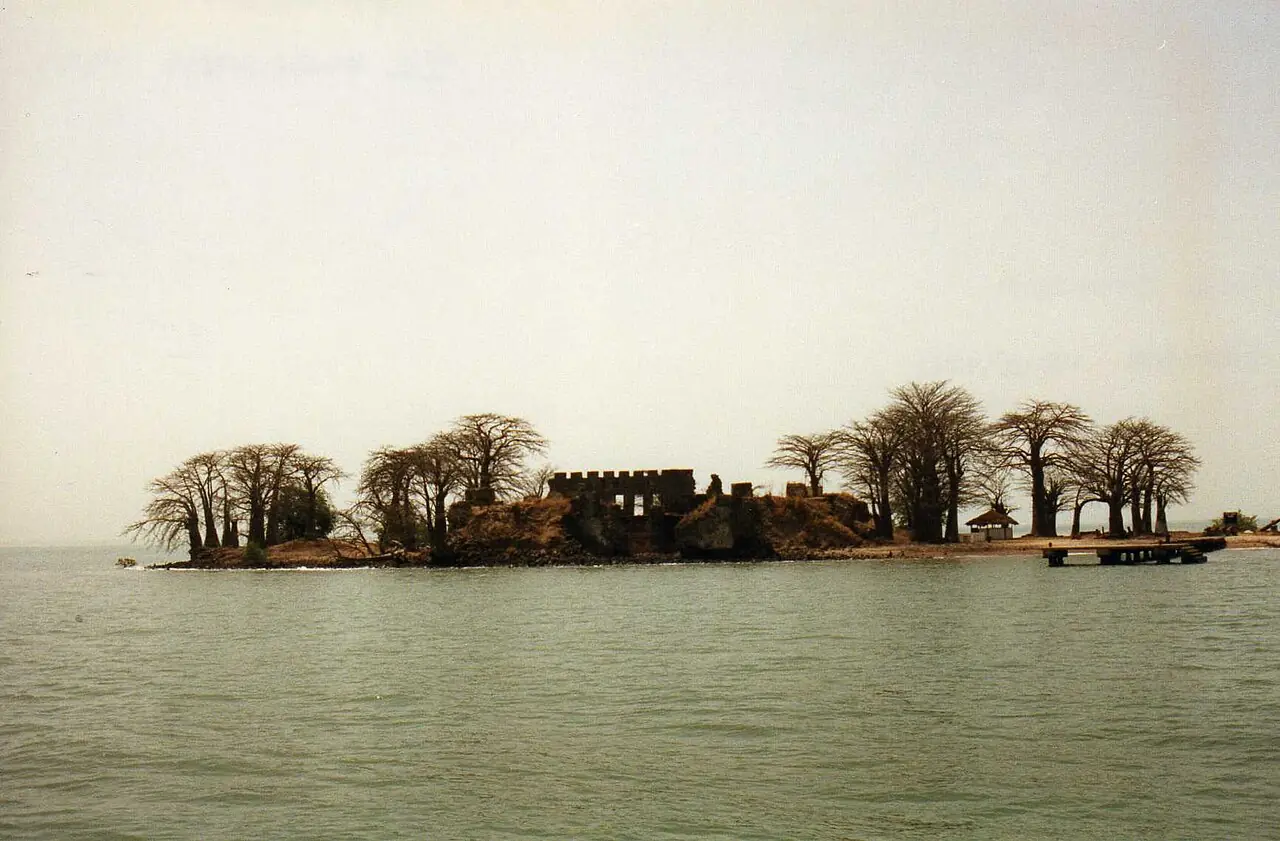 Photo: Leonora (Ellie) Enking from East Preston, United Kingdom · CC BY-SA 2.0
Published by Adama Doumbia, founder of Afrique Unie · updated 28 November 2026 · our method and sources
Daily budget
These are rough figures per person per day, excluding the international flight, visa and vaccines. They cover accommodation (two people sharing a room), meals, local transport and a few visits.
On a tight budget, allow roughly €35 to €60, staying in guesthouses or simple camps, eating at local restaurants and travelling by shared taxi. For a comfortable trip, allow about €80 to €140, with a good hotel or lodge on the coast, taxis, excursions and restaurants. At the top end, allow €200 or more, in an upmarket beach hotel or on a private tour with a driver.
The coastal tourist area (Kololi, Senegambia, Cape Point) is pricier than the interior. Prices rise in the dry season, from November to April, when charter flights arrive from Europe.
What is expensive and what costs next to nothing
- Accommodation: The biggest cost on the coast. Eco-lodges and village camps up-country are cheaper, but comfort varies.
- Local meals: A plate of domoda, benachin or grilled fish at a local place costs a few euros. Restaurants in the tourist zone are far more expensive.
- Transport: Shared taxis (gelly-gellys) cost very little. Tourist taxis and cars with drivers are negotiable: agree the price before setting off.
- Excursions: River Gambia trips, birdwatching, Kunta Kinteh Island: the cost is the boat and the guide. Use official guides.
- Airport fee: About $20 on arrival and the same on departure, best paid in cash.
Money: dalasi, cash and mobile payment
The currency is the dalasi (GMD). Euros, US dollars and pounds sterling are easy to change at banks and bureaux de change on the coast.
The UK government describes The Gambia as primarily cash-based. A growing number of hotels and restaurants accept Visa cards, but very few accept other cards. Cash machines are concentrated in the Senegambia tourist area and can be unreliable elsewhere: withdraw before heading up-country.
Mobile payment is spreading, with services such as Wave. It usually needs a local SIM card: for a short stay, cash is enough.
Tips are appreciated in hotels and by guides, boatmen and drivers.
Visa and passport
Information checked in November 2026. These rules can change: read the official sources again before you travel.
British citizens do not need a visa: you receive a passport stamp allowing 28 days on arrival, which can be extended twice, for 28 days each time, at the Immigration Office in Banjul or the tourist police stations. French nationals receive a free short-stay visa on arrival, including at land borders, for fifteen renewable days, according to the French foreign ministry. Other Europeans, Swiss and Canadian nationals should check the rule for their passport with a Gambian embassy.
Passport: the UK says it must be valid for the length of your stay; some airlines apply stricter rules, so keep six months' validity to be safe.
An Airport Security Fee is charged on arrival and departure: $20 according to the UK, payable in dollars, euros, pounds or dalasis. Visa cards are accepted in principle, but card machines are often out of service. Children aged one or under and transit passengers are exempt. Beware of "bumsters" offering trips into Senegal without formalities: crossing the border without the proper stamps can get you detained.
Health and vaccinations
Yellow fever: a certificate is required from travellers arriving from a risk country, from nine months, including after a transit of more than twelve hours. Vaccination is recommended for The Gambia, where the disease is present, and you may need the certificate for onward travel to other countries. The French foreign ministry adds that it may be checked in any case. Get vaccinated at least ten days before you leave.
Malaria is present all year throughout the country, with a higher risk during and after the rainy season (June to October). Prevention combines protection against mosquito bites and, in most cases, preventive medication prescribed by a doctor.
Check your routine vaccines. Hepatitis A, typhoid and meningitis are often advised. Insurance covering treatment and repatriation is essential.
Before you go: the checklist
- Passport: Valid for your whole stay, with six months' margin to be safe.
- Cash: About $20 or the equivalent for the airport fee on arrival, the same for departure, plus money to change.
- Vaccinations: Yellow fever, with the certificate carried; a medical appointment for malaria prevention.
- Election: The presidential election is on 5 December 2026, with campaigning until 3 December: avoid gatherings and follow local news.
- Official sources: The Gambia page on gov.uk/foreign-travel-advice and the Gambie page of « Conseils aux voyageurs » on diplomatie.gouv.fr. Neither government advises against travel to any area.
- Swimming: Currents are strong on the Atlantic coast: swim where there are lifeguards.