AfriqueUnie
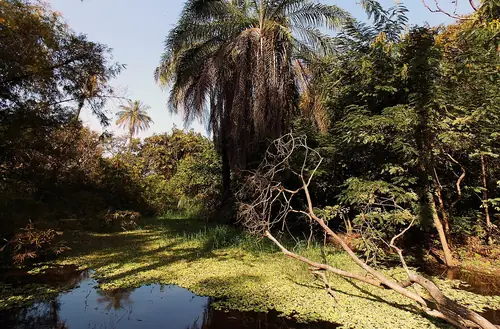
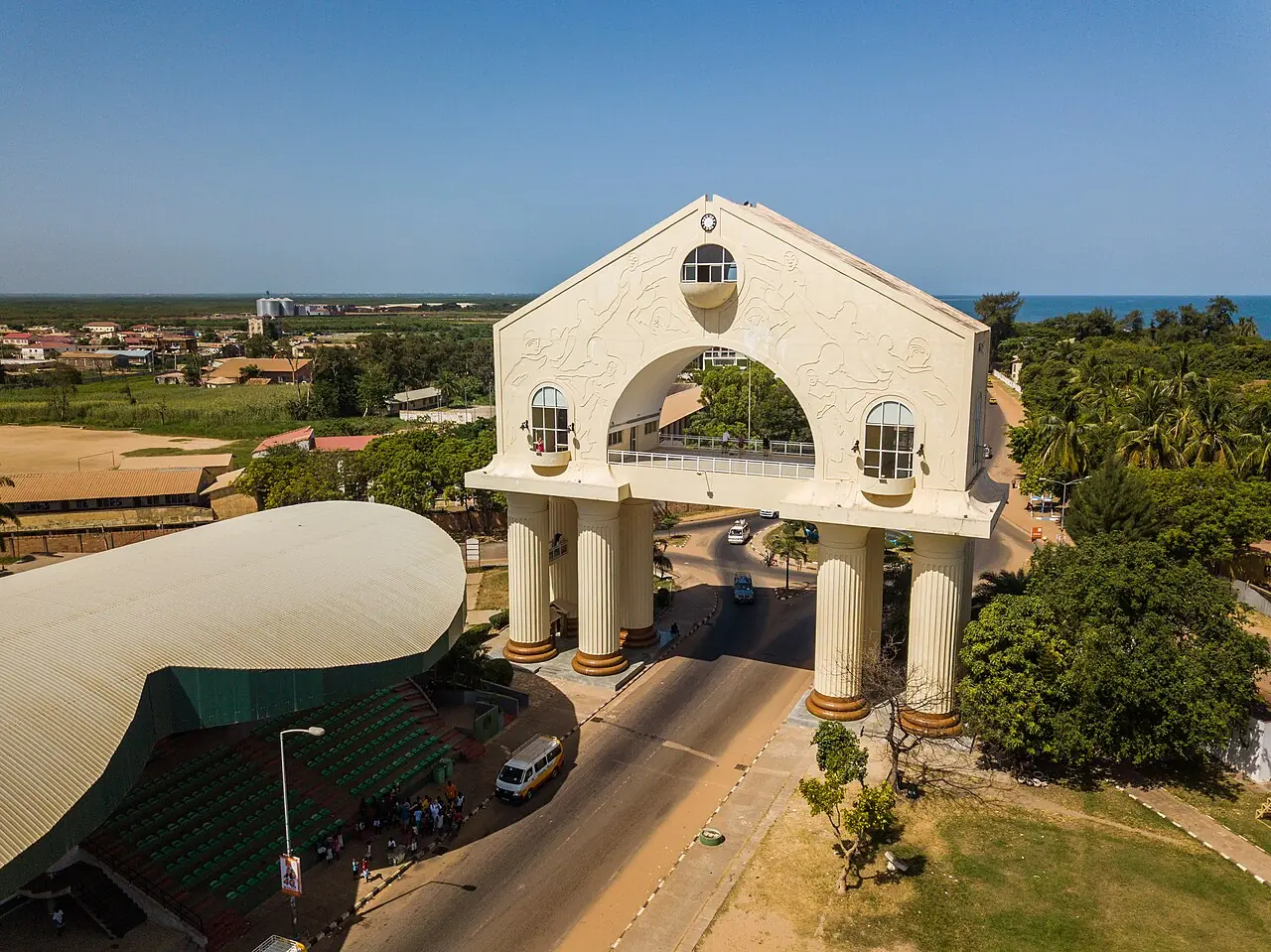 Photo: Hannu Sääskilahti · CC BY-SA 4.0
Published by Adama Doumbia, founder of Afrique Unie · updated 28 November 2026 · our method and sources
Why visit Banjul?
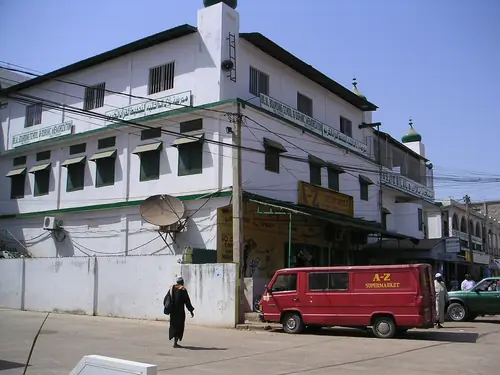
Banjul is one of Africa's smallest capitals. Set on St Mary's Island at the mouth of the Gambia River, it has had little room to grow, and most of the population now lives on the neighbouring mainland, in Serrekunda and along the coast. The result is a city with an almost provincial pace, where you can easily walk between the port, the market and streets lined with old colonial houses of wood and corrugated iron, sometimes dilapidated but full of character.
Founded by the British in 1816 under the name Bathurst, the city keeps a grid plan and a few administrative buildings from that era. Arch 22, a huge monumental arch built to commemorate the coup of 22 July 1994, dominates the entrance to the city and houses a small museum; from the top you can take in the city, the estuary and the mangroves.
Banjul's heart beats at the Albert Market, open since the 19th century, a jumble of stalls selling fish, fabrics, spices and crafts. You can see Banjul in a day, but it offers an authentic and little-touristed picture of the Gambia.
Things to do in Banjul: 6 ideas
- 01Arch 22Climb to the top of the arch for the view over the city and the estuary, and visit its small museum.
- 02Albert MarketDive into the city's big market, among colourful fabrics, dried fish and crafts.
- 03The National MuseumA useful introduction to the country's history, musical instruments and traditions.
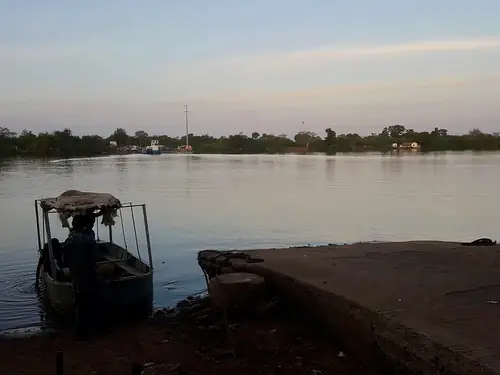
- 04The port and the ferryWatch the bustle at the terminal where the ferry leaves for Barra, on the north bank.
- 05The old townWander the streets near the port, among the colonial houses and the cathedral.
- 06The estuary mangrovesHead out by pirogue to explore the nearby bolongs, havens for birds and mangrove oysters.
Banjul in one day
- 01MorningStart on a weekday, around 9 am, at Albert Market, trading since the nineteenth century: dried fish, fabrics, spices and crafts. Watch your bag and phone, as pickpocketing is common in tourist spots. Then wander the old town streets, between colonial houses and the cathedral.
- 02LunchEat at a canteen near the market or the port: benachin, rice cooked in tomato sauce with fish, domoda with peanut paste, or yassa with lemon and onions. Wash it down with wonjo, hibiscus juice, or bouye, made from baobab fruit.
- 03AfternoonVisit the National Museum to understand the country's history and music, then climb to the top of Arch 22, at the entrance to the city, for views over the estuary, the mangroves and Banjul's rooftops. Early afternoon gives the best light on the river.
- 04EveningTake a taxi to the coast, to Bakau or Kololi, twenty to thirty minutes away, for a grilled fish dinner. Do not swim in the sea, where currents and waves cause frequent drownings, do not walk alone at night, and politely turn away the "bumsters".
A second day in Banjul
- 01MorningArrive early at Abuko Nature Reserve, about 20 kilometres from Banjul, when wildlife is most active: vervet and red colobus monkeys, crocodiles and dozens of bird species along the trails. Bring binoculars, water and mosquito repellent.
- 02LunchHave lunch in Bakau, on the coast: grilled fish or superkanja, an okra and palm oil stew. Then stroll through the Bakau botanical garden and on to Cape Point, the headland where the River Gambia meets the ocean.
- 03AfternoonVisit the sacred Kachikally crocodile pool in Bakau and its small museum, then head down the coast to the fishing village of Tanji. In the late afternoon the pirogues come in and unload their catch, which is then smoked on the spot: a striking sight.
- 04EveningLeave Tanji before dark, as French authorities advise against driving at night. End the day on the coast with attaya, the very sweet green tea served in three rounds, keeping your valuables in the hotel safe.
A little history
In 1816, the British officer Captain Alexander Grant settled on St Mary's Island, at the mouth of the Gambia River, to control the river and fight the slave trade, which Britain had abolished in 1807. The post was named Bathurst, after the Secretary of State for the Colonies, and became the centre of the British colony of the Gambia. Merchants, sailors and freed Africans built a small trading port here, whose grid plan and Albert Market, opened in the 19th century, can still be seen.
The Gambia became independent on 18 February 1965 and a republic in 1970, and Bathurst was renamed Banjul in 1973. On 22 July 1994 a coup brought Yahya Jammeh to power, and he had Arch 22 built at the entrance to the city to celebrate it. Defeated in the December 2016 election, he left the country in January 2017. Hemmed in on its island, Banjul has hardly grown: people have settled instead on the mainland nearby, in Serrekunda and along the coast.
What to eat in Banjul
Gambian food has much in common with that of neighbouring Senegal. Benachin, rice cooked in tomato sauce with fish or meat, is the classic celebration dish; domoda, a peanut-paste stew, yassa, chicken or fish marinated in lemon and onions, and superkanja, an okra and palm-oil sauce, are served with rice. On the coast, grilled fish and mangrove oysters, harvested by women from the estuary villages, are specialities.
To drink, wonjo, a hibiscus juice, bouye, made from baobab fruit, and ginger juice are everywhere. Attaya, very sweet green tea served in three rounds, goes with long conversations. To eat, look for the simple eateries around Albert Market and the port, the fish grills on the beach at Tanji, along the coast, and the street stalls of Serrekunda.
Where to stay in Banjul
Banjul has little accommodation, and most travellers stay on the coast, between Bakau, Fajara, Kotu and Kololi, twenty to thirty minutes away by taxi. Bakau and Fajara appeal with their residential feel and cliffs overlooking the ocean; Kotu is popular with birdwatchers for its creeks and mangroves; Kololi is where the beach hotels and nightlife are concentrated. Those who want to sleep in Banjul will find a few simple hotels near the centre.
Getting there and getting around
Banjul International Airport (code BJL) is at Yundum, about 25 kilometres from the capital and closer to the resorts of Kololi and Kotu. Take a taxi or arrange a transfer through your accommodation. A ferry links Banjul to Barra, on the north bank, for onward travel to Senegal; the crossing is often crowded, waits can be long and safety equipment on board is limited.
Banjul is easy to explore on foot; to reach the coast, use the more expensive tourist taxis or shared taxis, agreeing on the fare before you set off. The currency is the dalasi: ATMs are found in central Banjul and the tourist areas, and some cards are accepted in hotels, but cash is essential in markets and on public transport.
France Diplomatie places the whole of The Gambia under heightened vigilance. Keep away from demonstrations, watch your belongings at the market and on the beaches, and don't walk alone at night. Also avoid travelling on the roads at night. The best time to visit is November to May, the dry season; the rains fall mainly from July to October.
Frequently asked questions
How many days do you need in Banjul?
One day is enough for Arch 22, Albert Market, the National Museum and the port. To make the most of The Gambia, allow a week based on the coast, with trips to the nature reserves and along the river.
Is The Gambia safe for tourists?
France Diplomatie places The Gambia under heightened vigilance, but the country welcomes many visitors without trouble. The main risks are pickpocketing and persistent hustlers, known as bumsters, on the beaches. Avoid gatherings and walking alone in isolated places at night.
When is the best time to visit Banjul?
From November to May, the weather is dry and sunny, with pleasant temperatures on the coast. It is also the best time for birdwatching, one of the country's great draws. From July to October, rain, humid heat and mosquitoes are more of a feature.
What is there to see around Banjul?
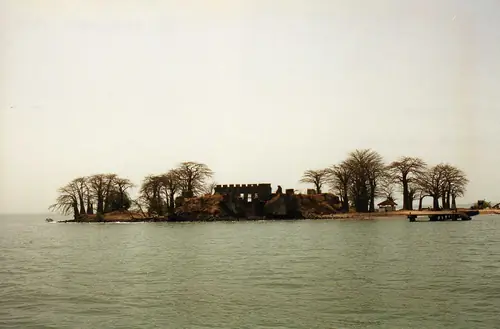
On the coast, the sacred crocodile pool at Kachikally in Bakau, the fishing village of Tanji and Abuko Nature Reserve are easy to visit. Upriver, Kunta Kinteh Island, a former slave-trading post on the UNESCO World Heritage List, can be reached by boat from Albreda and Juffureh.
What is there to do in Banjul in the evening?
Banjul goes very quiet once offices and the market close: nightlife is on the coast, in Kololi, Kotu and Bakau, twenty to thirty minutes away by taxi. Have a grilled fish dinner, go out in a group, avoid isolated walks at night and return by taxi.
Can you swim near Banjul?
Be careful: the French foreign ministry considers sea swimming in the Gambia dangerous because of strong currents and violent waves, and drownings are frequent. Stick to hotel pools and never swim alone or after drinking.
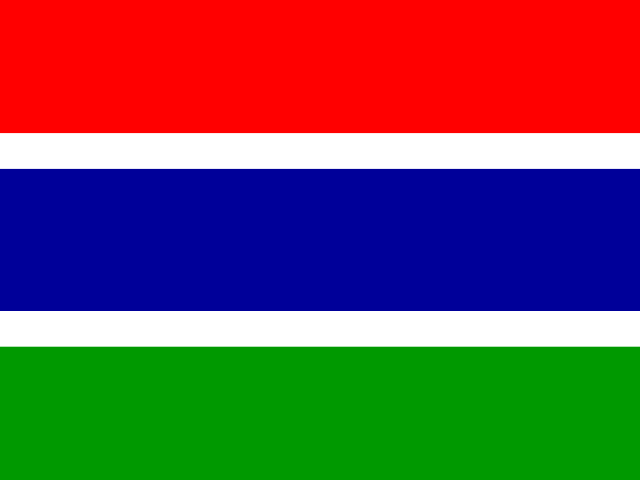 The Gambia