On a map, the Gambia looks like a slip of the pen: a ribbon of land no more than fifty kilometres wide, set into Senegal, that follows the meanders of a single river for over three hundred kilometres. It is precisely this scale that makes it so charming. In just a few days you move from Atlantic beaches to mangroves, from the noisy markets of the coast to the Mandinka villages of the interior, without ever having to cover long distances. For a first trip to West Africa, it is a gentle, English-speaking and very easy introduction.
Gambians proudly claim the nickname “the Smiling Coast”, and it is well deserved: people readily call out to you, ask where you're from, and a conversation starts at the drop of a hat. On the coast, the resorts of Kololi, Kotu and Cape Point offer golden sand beaches lined with palm trees, while fishing villages such as Tanji put on quite a different show when the pirogues come in. Birdwatchers, meanwhile, come from all over the world: with several hundred species recorded in a tiny territory, the Gambia is one of Africa's best birding destinations, from kingfishers to hornbills.
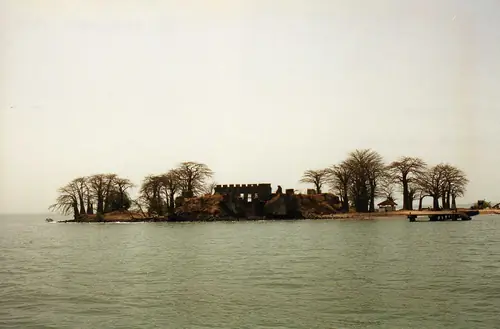
The Gambia River, finally, tells a more solemn story. It was one of the first routes by which Europeans penetrated Africa and a major artery of the Atlantic slave trade, as Kunta Kinteh Island and the villages of Juffureh and Albreda bear witness. Travelling upriver also means coming across stone circles thousands of years old, islands where reintroduced chimpanzees live, and villages where time seems to have slowed down. A country modest in size, but generous in emotion.
History and culture
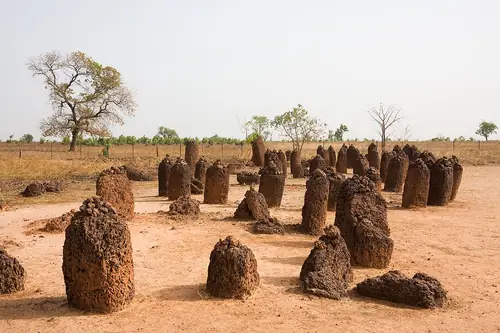
The Gambia River region long lay within the orbit of the great Sahelian empires, notably the Mali Empire, and later the kingdom of Kaabu. The Senegambian megaliths, including the Wassu circles, bear witness to organised societies long before these empires. In the 15th century Portuguese navigators sailed up the river, followed by the English and the French, who fought over the trading posts. The river then became an artery of the Atlantic slave trade.
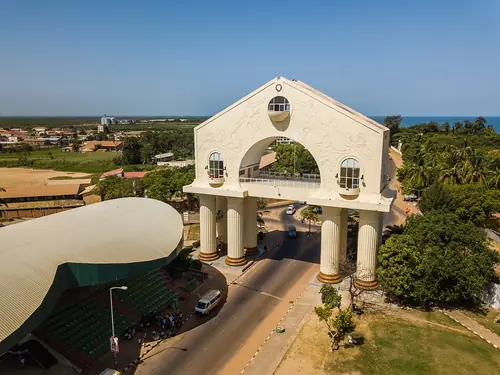
Britain founded Bathurst, today's Banjul, in 1816 and turned the territory into a colony whose borders follow the river. Independent in 1965, the Gambia became a republic in 1970 under Dawda Jawara. In 1994 a coup brought Yahya Jammeh to power, and he ruled in authoritarian fashion for more than twenty years. His electoral defeat at the end of 2016 and his departure in January 2017 opened a period of democratic transition, hailed throughout the region.
8 experiences not to miss in the Gambia
Photo : Theinfamousfinatic · CC BY-SA 3.001Go birdwatchingSet off at dawn with a local birding guide in the Abuko forest, at Tanji or in the rice fields of the interior.
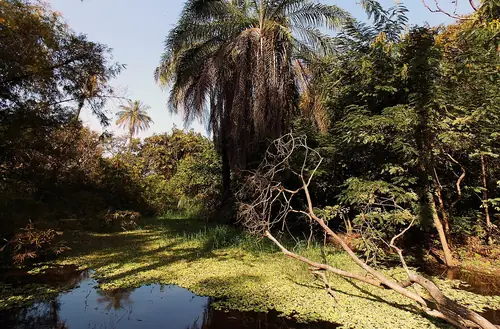
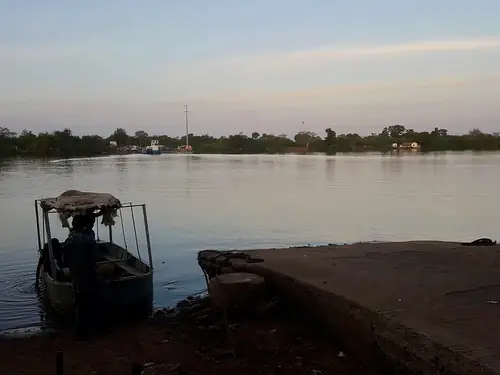
Photo : Wmtribe2015 · CC BY-SA 4.002Travel up the riverSpend several days sailing the Gambia River, among mangroves, villages and chimpanzee islands.
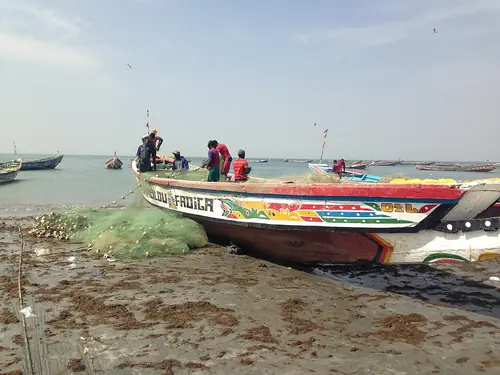
Photo : Mark Hodson Photos · CC BY 2.003Watch the fishermen return at TanjiIn the afternoon, see the pirogues unload their catch on the beach before it is smoked in the nearby ovens.
05Get lost in Serrekunda marketDive into the country's biggest market, among fabrics, dried fish and tailors' workshops.
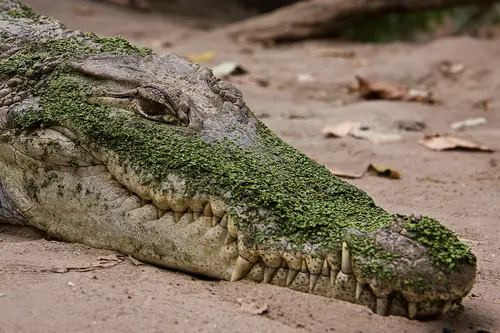
Photo : Ikiwaner · CC BY-SA 3.006Touch a sacred crocodileGet close to the reputedly placid crocodiles of the Kachikally sacred pool in Bakau.
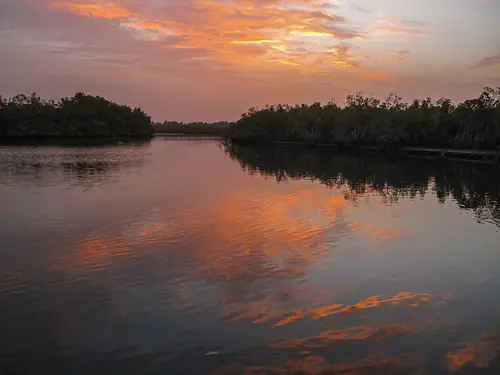
Photo : Forbes Johnston · CC BY 4.007Paddle through the mangrovesExplore the bolongs, creeks lined with mangroves, by pirogue around Makasutu or Lamin.
08Listen to the koraAttend a concert by Mandinka griots, whose tradition is very much alive in the country.
When to go to the Gambia
The dry season, from November to May, is the best time: blue skies, low humidity, pleasant temperatures on the coast thanks to the ocean breeze, and peak numbers of migratory birds between November and February. It is also the high tourist season, with direct flights from several European countries. The further inland you go, the hotter it gets towards the end of the dry season. The rainy season, from June to October, brings heavy downpours, lush vegetation and lower prices, but some dirt roads become difficult and humidity is high. It is a fine season for keen watchers of resident birds.
Getting around
On the coast, yellow and green taxis are everywhere: so-called “town trip” taxis are hired for a private journey, while shared taxis follow fixed routes and are much cheaper. To reach the interior, minibuses and buses leave from Serrekunda and Banjul for the towns in the east. The ferry crossing between Banjul and Barra, on the north bank, can involve long waits; further east, the Farafenni bridge now makes crossing the river easier. To travel upriver to Janjanbureh, hiring a vehicle with a driver or joining a river cruise remains the most comfortable option.
Etiquette and customs
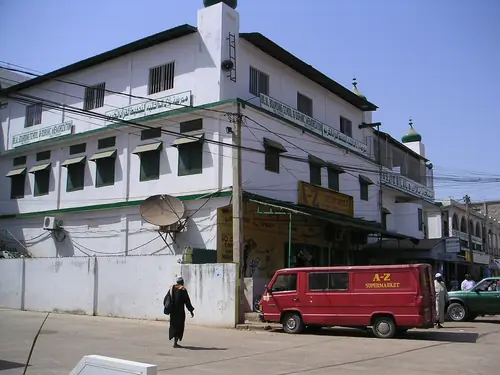
The Gambia is a mainly Muslim country, tolerant and relaxed, but modesty is still expected away from the beaches: cover your shoulders and knees in town and in villages. Always take time to greet people before asking for anything. On the coast you will often be approached by young men offering their services, nicknamed “bumsters”: a polite but firm refusal is usually enough. Don't photograph people without their consent, or official buildings. If you are invited into a family home, a small gift of tea, sugar or fruit is appreciated. The right hand is used for giving, receiving and eating.
Food and drink in the Gambia
The national dish is domoda, a rich peanut-butter stew made with meat or fish and served over rice. Benachin, a cousin of Senegalese thiéboudienne, is rice cooked in tomato sauce with fish or meat and vegetables, and everyone fights over the crispy bit at the bottom of the pot. You will also eat yassa, chicken or fish marinated in lemon and onions, and superkanja, made with okra. On the coast, grilled fish, barracuda, capitaine or ladyfish, is enjoyed facing the sea. To drink, there is bissap, baobab or ginger juice, and attaya tea, shared at the end of the day.
The best time to visit the Gambia: November to May.
What should I see first in the Gambia?
The must-sees: Kunta Kinteh Island, Wassu stone circles, Abuko Nature Reserve.
Which cities should I visit in the Gambia?
Banjul, Serrekunda, Janjanbureh. The capital is Banjul.
How much should I budget for a trip to the Gambia?
Budget: around €30–60 per person per day, excluding flights. This is only a guide and depends above all on the accommodation and activities you choose.
What currency and languages are used in the Gambia?
The main international airport has the code BJL. Compare flights with the ‘Flights’ button on this page.
Do I need a visa to visit the Gambia?
Entry requirements depend on your nationality and change regularly. Check them on the country's official website or with your foreign ministry before booking, and make sure your passport is valid.
What should I eat in the Gambia?
Dishes to try while you're there: Domoda, benachin.
Map
The Gambia on the map
Cities Places to see · Approximate positions
On the ground
Getting around and staying healthy
Getting around
A narrow country stretched along its river, The Gambia is explored by road: there are no domestic flights or trains. The Banjul–Barra ferry crosses the river mouth, and the Farafenni bridge spans the river further upstream. Bush taxis and shared minibuses, known as gele-gele, serve the coast and the interior, and boat trips on the river reach Janjanbureh or Kunta Kinteh Island. On the coast, the yellow-and-green tourist taxis are convenient; a car with driver is easy to hire, and driving is on the right.
Health and safety
Yellow fever
Certificate required only if you arrive from, or transited through, a country with a risk of yellow fever (from 9 months, incl. airport transits over 12 h); vaccine recommended for the whole country (from 9 months).
Malaria
Present throughout the country: ask a doctor about preventive medication and protect yourself from mosquitoes.
Water and food
Unless your accommodation says otherwise, drink sealed bottled or filtered water, and wash your hands often.
Source: US CDC, November 2026. Rules change: see a travel health clinic before you leave, and the UK Foreign Office travel advice for safety.
Useful numbers
Local emergency numbers
Police: 17 or 117 Ambulance: 16 or 116 Fire: 18 or 118 Conflicting information: the FCDO states that there is no national emergency number in The Gambia (each police station or barracks has its own numbers); numbers taken from Viaggiare Sicuri.
Sources: France Diplomatie, Viaggiare Sicuri, Belgian Foreign Affairs, GOV.UK, checked in November 2026. All 54 countries
Entry requirements (visas, vaccinations) and security conditions change regularly: check them with the official authorities before booking. Official tourism website: Gambia Tourism Board.
Affiliate cookiesWe would like to load a script from our partner Travelpayouts. It may set cookies so that we receive a commission when you book through our links, at no extra cost to you. If you decline, the site works in exactly the same way. Find out more
 AfriqueUnie
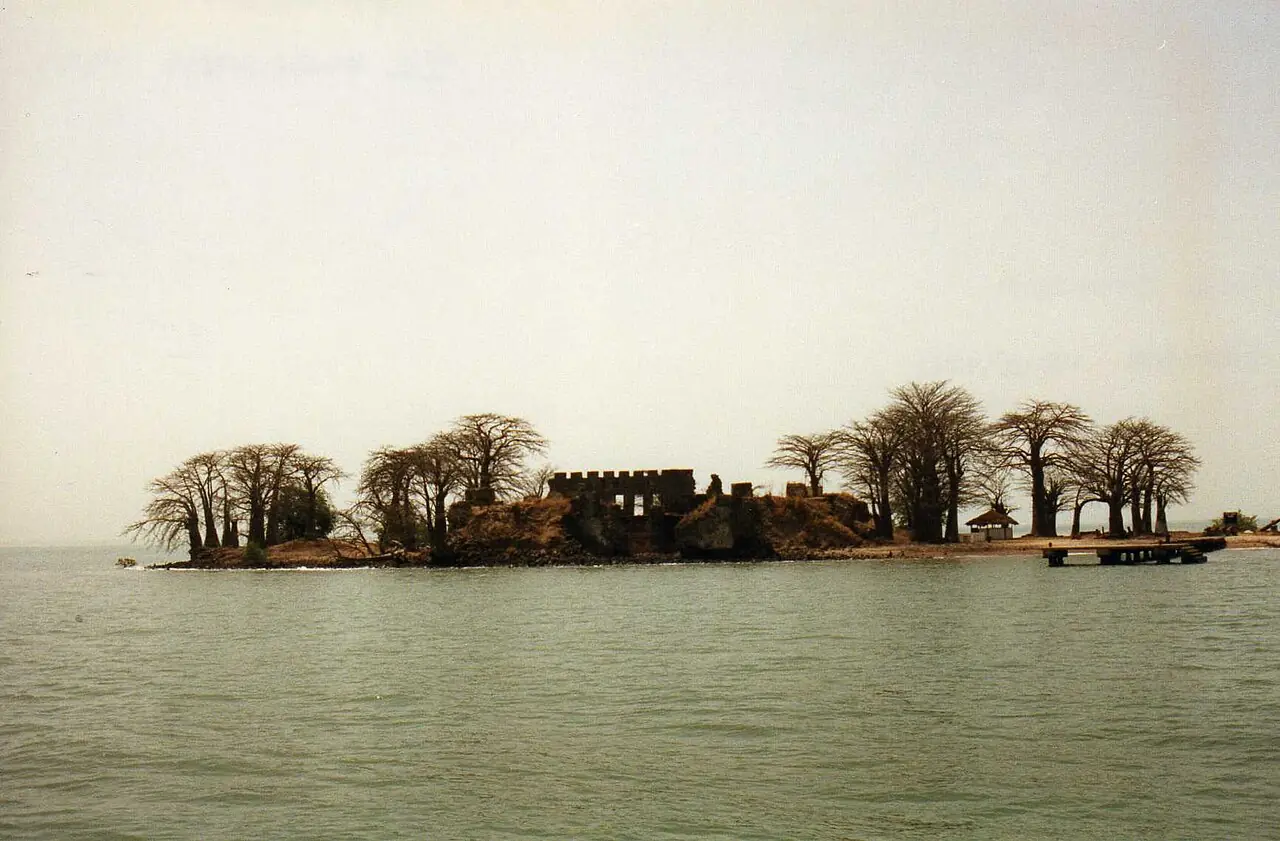 Photo: Leonora (Ellie) Enking from East Preston, United Kingdom · CC BY-SA 2.0
 The Gambia

 Benin
 Burkina Faso
 Cape Verde
 Côte d'Ivoire
 Ghana
 Guinea
 Guinea-Bissau
 Liberia
 Mali
 Mauritania
 Niger
 Nigeria
 Sierra Leone
 Togo