AfriqueUnie
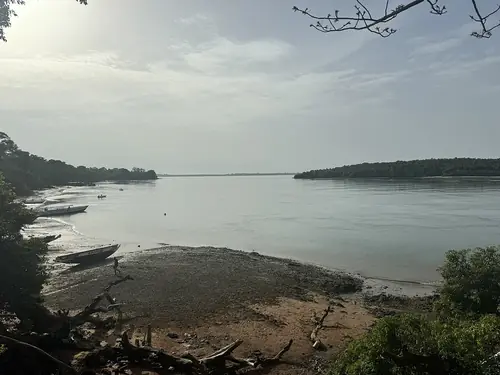
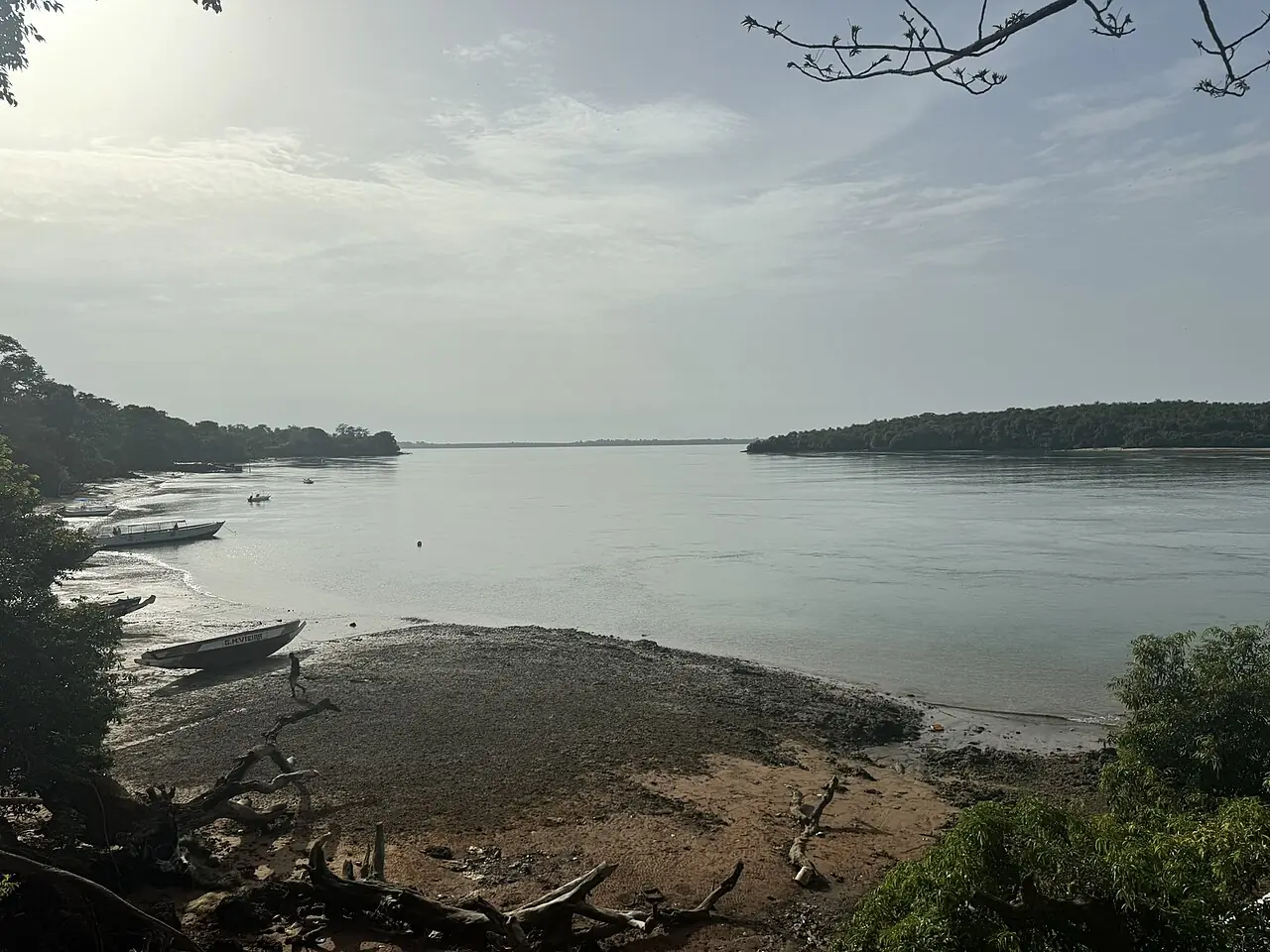 Photo: Mooonswimmer · CC BY-SA 4.0
Published by Adama Doumbia, founder of Afrique Unie · updated 28 November 2026 · our method and sources
Daily budget
These are rough figures per person per day, excluding the international flight, visa and vaccines. They cover accommodation (two people sharing a room), meals, local transport and a few visits.
On a tight budget, allow roughly €40 to €70, staying in a simple guesthouse in Bissau, eating local food and travelling by shared taxi or scheduled boat. For a comfortable trip, allow about €90 to €160, with a good hotel in Bissau and a camp in the Bijagós, plus some pirogue transfers. At the top end, allow €250 or more, in the Bijagós island lodges, often full board with boat transfers.
In the Bijagós, boat transfers, whether infrequent public boats or expensive private ones, drive the budget.
What is expensive and what costs next to nothing
- Boats: Public boats to the islands are cheap but irregular; a private pirogue to Orango or João Vieira costs much more. Share it.
- Accommodation: Limited choice in Bissau, at fairly high prices for the comfort offered. Bijagós lodges often sell all-inclusive packages.
- Local meals: Rice with fish, grilled oysters or caldo de mancarra at a local place cost a few euros.
- Overland transport: Shared taxis and toca-tocas (minibuses) cost very little. Avoid the roads at night.
- Parks: The national parks and protected areas of the Bijagós charge entry fees: ask your lodge or agency for the amount.
Money: CFA francs and cash
The currency is the West African CFA franc (XOF), pegged to the euro at a fixed rate: €1 is worth 655.957 CFA francs. Euros are easy to change, which makes budgeting simple.
According to the UK government, Guinea-Bissau is a cash-based economy: cards are rarely used and cash machines are few. Withdraw or change money in Bissau before heading to the islands, where cash machines are scarce or absent, and use official bureaux de change.
Mobile money exists (notably Orange Money) but needs a local SIM card. For a short stay, cash is enough.
Tips are appreciated by boatmen, guides and camp staff.
Visa and passport
Information checked in November 2026. These rules can change: read the official sources again before you travel.
A visa is compulsory. The UK government tells British citizens to contact the Guinea-Bissau Embassy in Paris, and notes that there are embassies in neighbouring countries, including Senegal, where you may be able to get a visa. The French foreign ministry adds that a visa can be issued at Bissau airport if your local contact has notified the immigration department in advance, in an emergency, or if there is no Bissau-Guinean representation where you live; it is then paid in cash and may cost more than at the embassy.
Unofficial sources mention a general visa on arrival, others an e-visa: we found no official source confirming either. The official sources we consulted do not publish the fee. Contact the embassy before buying your tickets.
Passport: the UK requires at least six months' validity after the date you arrive. Carry copies when out and about and leave the original somewhere safe, as the French foreign ministry advises.
Health and vaccinations
Yellow fever: a certificate is required from all travellers aged one year or more, wherever they arrive from. The disease is present in the country: get vaccinated at least ten days before you leave at an approved centre and carry your certificate.
Malaria is present all year throughout the country, including the Bijagós archipelago. Mosquito protection and preventive medication are decided with a doctor.
Check your routine vaccines and ask about hepatitis A, typhoid, meningitis and rabies. The French foreign ministry stresses that Bissau has no emergency service equipped for a serious accident and no air ambulance, the nearest being in Dakar: insurance covering medical evacuation is essential.
Before you go: the checklist
- Visa: Apply through the Guinea-Bissau Embassy in Paris, or in a neighbouring country, before you travel.
- Vaccinations: Yellow fever is compulsory, with the certificate carried; a medical appointment for malaria prevention.
- Political situation: According to the French foreign ministry, a military-controlled transitional government has run the country since the electoral process was interrupted in late November 2025, with elections planned for December 2026. Demonstrations are banned: keep away from any gathering.
- Safety: France advises against all but essential travel to the border area with Senegal (Casamance), where mines remain. Stay on tarmac roads and do not drive at night.
- Official sources: Guinea-Bissau page on gov.uk/foreign-travel-advice and the Guinée-Bissao page of « Conseils aux voyageurs » on diplomatie.gouv.fr.
- Cash: Enough euros, especially for the islands.