AfriqueUnie
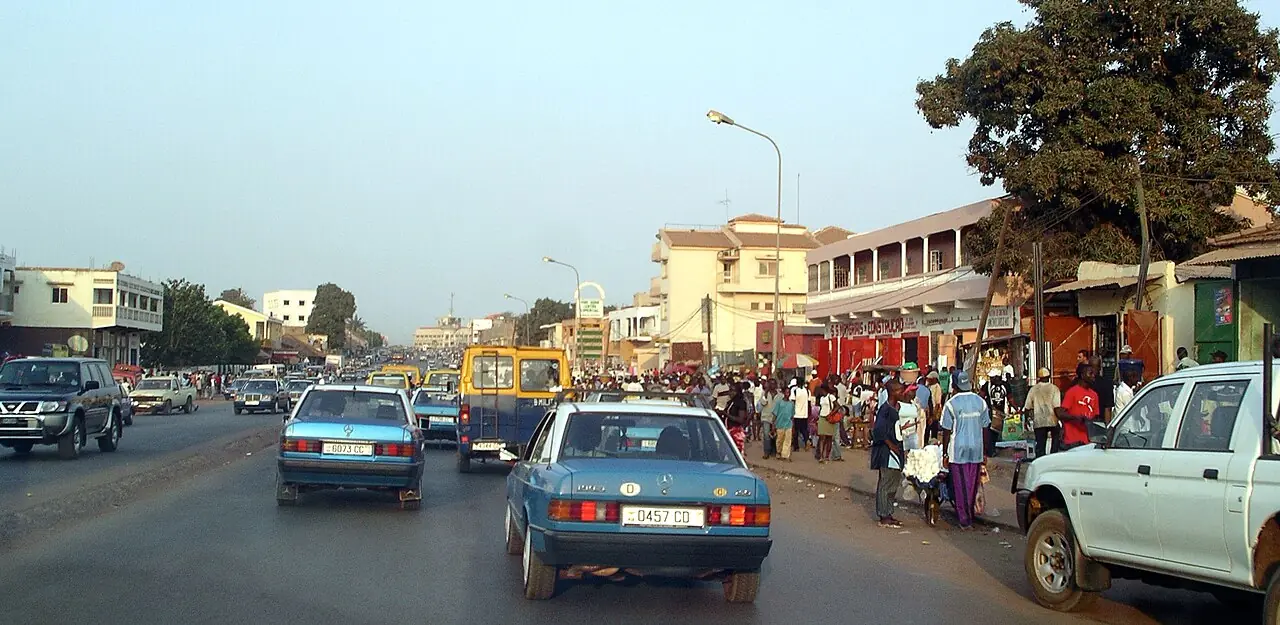 Photo: Original: Colleen Taugher from Lewiston Idaho, USA Modifications: The original u · CC BY 2.0
Published by Adama Doumbia, founder of Afrique Unie · updated 28 November 2026 · our method and sources
Why visit Bissau?
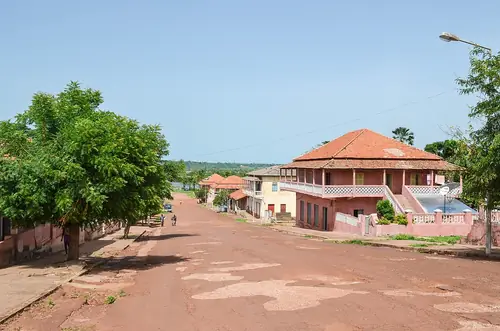
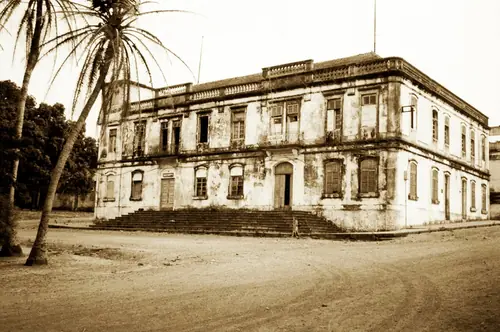
Bissau is like no other capital in the region. Few tower blocks, few traffic jams: just a low-rise city stretched along the estuary of the Geba, where the pastel façades of the colonial centre sit alongside the shady courtyards of working-class neighbourhoods.
The historic heart, Bissau Velho, keeps its cobbled lanes, wrought-iron balconies and warehouses by the port. The Amura fortress, still occupied by the army, houses the mausoleum of Amílcar Cabral; nearby, a monument recalls the 1959 massacre of the Pidjiguiti dockworkers. The white presidential palace, the cathedral and the avenue leading down to the port form the backbone of the centre.
But Bissau is really lived in its markets and its evenings. At Bandim market, the largest in the city, dried fish, wax-print cloth, palm oil and spare parts jostle in cheerful chaos. In the evening, gumbe and kizomba drift out of the bars, and the city takes on a Lusophone gentleness that sometimes recalls Lisbon or Praia.
Things to do in Bissau: 6 ideas
- 01Stroll around Bissau VelhoWalk early in the morning, before the heat, among the colonial houses of the old quarter, down to the port and its brightly painted pirogues.
- 02Pay tribute at PidjiguitiPause at the monument by the port commemorating the strike crushed in 1959, the starting point of the independence struggle.
- 03Dive into Bandim marketLet someone guide you through the alleys to discover the fabrics, spices and smoked-fish stalls that feed the city.
- 04Catch the carnivalIn February, follow the masked troupes from the regions, notably the Bijagó dancers with their bull and shark headdresses.
- 05Dine on fish by the waterPick an open-air table for grilled fish and mangrove oysters, washed down with a cold beer.
- 06Listen to live musicAt weekends, look out for a gumbe or Creole music gig in the bars of the centre and nearby neighbourhoods.
Bissau in one day
- 01MorningWalk around Bissau Velho from 8 am, before the heat, past pastel façades and wrought-iron balconies, down to the port and its colourful pirogues. Pause at the Pidjiguiti memorial, then skirt the Amura fortress, still used by the army: look at it from outside and take no photos.
- 02LunchSettle on a small terrace in Bissau Velho for the dish of the day: caldo de mancarra, a peanut stew, or caldo de chabéu, made with palm nut pulp, served on white rice. Bring cash, as cards are almost never accepted.
- 03AfternoonWalk up Avenida Amílcar Cabral to Bissau Cathedral and on to the Square of National Heroes, overlooked by the white presidential palace. Keep your distance from official and military buildings and do not photograph them, as British authorities advise.
- 04EveningHave grilled fish or wood-fired mangrove oysters near the port. Stay in the busy central districts, avoid any gatherings and do not travel outside the city at night: the political situation has remained unstable since November 2025.
A second day in Bissau
- 01MorningDive into Bandim market, the city's largest, with a local who knows the alleys: dried fish, palm oil, cloth and spare parts. Keep your phone and wallet out of sight, as bag and phone snatching is fairly common in Bissau.
- 02LunchEat at a canteen around the market: rice with grilled fish and chilli sauce. From April to June, at the height of the cashew season, try fresh cashew apple juice, sold at roadsides all over the city.
- 03AfternoonDrive with a driver to Quinhámel, the main town of the Biombo region, about 30 kilometres west, known for pano de pente, traditional cloth hand-woven on narrow looms. Stick to paved roads and be back before dark.
- 04EveningBack in Bissau, look for a gumbe or Creole music gig if it is the weekend, travelling by taxi. Carry ID at all times: police regularly check papers, especially in taxis.
A little history
Bissau began in 1687 as a fortified Portuguese trading post on Papel land, on the Geba estuary. The slave trade and river commerce made it an important outpost, protected in the 18th century by the Amura fortress. Yet the town only became the capital of Portuguese Guinea in the early 1940s, replacing Bolama, which lacked fresh water. The streets of Bissau Velho, with their balconied façades and old warehouses, largely date from that colonial period.
On 3 August 1959, the crushing of a dockworkers' strike at Pidjiguiti quay left dozens dead and pushed Amílcar Cabral's PAIGC towards armed struggle. Cabral was assassinated in January 1973, months before independence was declared; Portugal recognised it in 1974. Since then the city has been through a civil war in 1998 and 1999 and a series of coups, the latest in November 2025. Cabral's mausoleum at Amura and the Pidjiguiti monument keep this history alive.
What to eat in Bissau
Bissau-Guinean food is built on rice, fish and palm oil. Caldo de mancarra, a peanut stew, and caldo de chabéu, made with palm-nut pulp, are served on a bed of white rice. Grilled fish, prawns and mangrove oysters cooked over a wood fire are the specialities of the waterfront. The Portuguese influence lives on in the bread, the coffee and a few slow-cooked dishes.
Guinea-Bissau is one of the world's major cashew producers: in season, from April to June, people drink the juice of the cashew apple, fresh or fermented into cashew wine, and distil cana, a sugar-cane spirit. To eat, look for the simple eateries around Bandim market, the grills set up near the port in the late afternoon and the small terraces of Bissau Velho, where dishes of the day are served at lunchtime.
Where to stay in Bissau
For a first stay, base yourself in the centre or in Bissau Velho: everything is walkable, and you're a few minutes from the port for the boat to the Bijagós. You'll find small hotels and a few guesthouses run by families or expats. The area around the airport road has newer establishments, practical but without much charm. Neighbourhoods such as Bandim or Belém offer immersion in everyday local life, but accommodation there is scarce and basic.
Getting there and getting around
Osvaldo Vieira International Airport (code OXB) is north-west of the city, about ten kilometres from the centre by road. It has flights to Lisbon, Dakar and a few other West African capitals; take a taxi into town, or ask your accommodation to collect you if you land at night. Boats to Bubaque, in the Bijagós archipelago, leave from Bissau port.
In town, shared taxis and minibuses, known as toca-toca, cover the main roads; agree on the fare before getting into a taxi. The currency is the West African CFA franc, pegged to the euro: cards are almost never accepted and ATMs are few, so bring cash, in euros or CFA francs.
France Diplomatie places the country under heightened vigilance and advises against all but essential travel to the border strip with Senegal. Since the coup of November 2025, the political situation has remained unstable: avoid gatherings, particularly in central Bissau, and follow the news before and during your trip. The best time to visit is December to April, the dry season; the rains fall mainly from June to October.
Frequently asked questions
How many days do you need in Bissau?
One or two days are enough for Bissau Velho, the Amura fortress seen from outside, the Pidjiguiti monument and Bandim market. Most travellers then spend several more days in the Bijagós archipelago.
Is Bissau safe?
Crime is fairly moderate, but the political situation has been unstable since the coup of November 2025, and France Diplomatie places the country under heightened vigilance. Avoid gatherings and military buildings, don't travel outside the city at night and check your government's travel advice just before you leave.
When is the best time to visit Bissau?
The dry season, from December to April, is the most pleasant, though the harmattan sometimes leaves the sky hazy. February is also carnival month, one of the highlights of the city's year. From June to October the rains are heavy and some boat crossings become more difficult.
How do you get to the Bijagós from Bissau?
Scheduled boats link Bissau port with Bubaque, the archipelago's main island, in a crossing of several hours; departure times depend on the tides. You can also charter a pirogue or use an island lodge that arranges transfers. Check departures at the port the day before.
What is there to do in Bissau in the evening?
Have grilled fish and oysters near the port, then, at weekends, listen to gumbe or kizomba in the bars of the centre. Get around by taxi, carry ID, avoid gatherings and do not leave the city after dark.
Can you take photos in Bissau?
Yes, but with care: never photograph military sites such as the Amura fortress, or the presidential palace and government buildings, which British authorities advise avoiding. Always ask people's permission, especially at Bandim market.
 Guinea-Bissau