AfriqueUnie
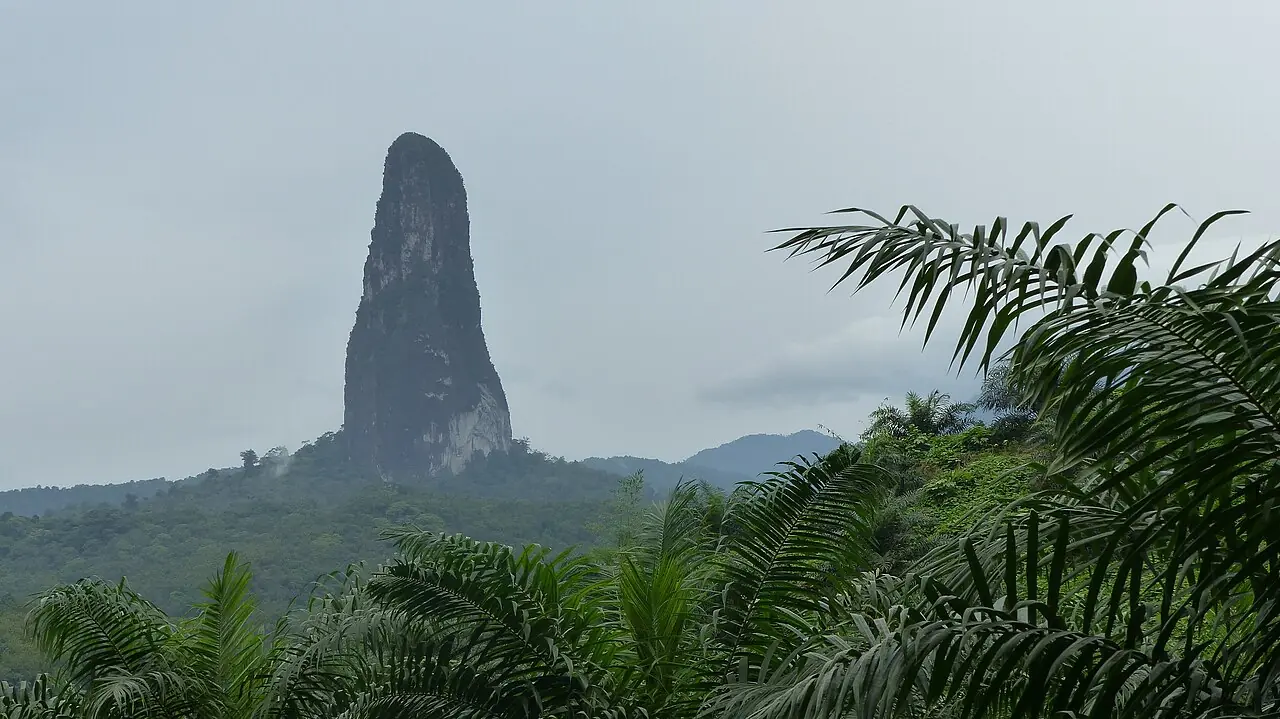 Photo: Philippe Bourachot · CC BY-SA 3.0
Published by Adama Doumbia, founder of Afrique Unie · updated 28 November 2026 · our method and sources
Daily budget
These are rough figures per person per day, excluding the international flight. They cover accommodation (two people sharing a room), meals, local transport and a few visits.
On a tight budget, allow roughly €50 to €80, staying in simple guesthouses or homestays, eating at small local restaurants and using shared taxis. For a comfortable trip, allow about €120 to €200, in a hotel or a restored roça (plantation house), with a car and driver on some days. At the top end, allow €300 or more, in the eco-lodges of Príncipe or upmarket beach hotels.
The country imports much of what it consumes: imported goods and restaurants aimed at visitors cost far more than local food.
What is expensive and what costs next to nothing
- Flights: The biggest cost. Connections from Europe are few and usually go via Lisbon or an African hub. Book early.
- Príncipe: The island is reached by small plane from São Tomé. The ticket and the island's lodges are expensive: budget for them separately.
- Accommodation: There is little at the cheap end. Roças converted into guesthouses are a good compromise, but rooms are limited: book ahead.
- Local meals: Grilled fish, calulu or plantain at a local restaurant remain affordable. Wine and imported products are expensive.
- Transport and excursions: Shared taxis cost little. A car with driver, a guide for the Pico Cão Grande hike or a boat trip to Ilhéu das Rolas are best shared with others.
Money: dobras, euros and cash
The currency is the dobra (STN), pegged to the euro at a fixed rate: €1 is worth about 24.5 dobras. The French foreign ministry advises bringing euros or US dollars to change at banks, which open Monday to Friday. Street changers also work in central São Tomé.
Cash machines are scarce. The French foreign ministry says international cards work in them; the UK government notes there are only a small number and that cash is mainly withdrawn from the main bank in the capital. Do not count on them elsewhere, least of all on Príncipe.
Cards are not widely accepted: check in advance whether your hotel or restaurant takes them. Bring enough euros in cash for the whole stay, in a mix of notes.
Tipping is not compulsory but is appreciated by guides and drivers.
Visa and passport
Information checked in November 2026. These rules can change: read the official sources again before you travel.
French nationals do not need a visa for a stay of under fifteen days, and the UK government gives the same rule (up to 15 days) for British citizens. France asks for a passport valid for six months after your return date; the UK says it must be valid for the length of your stay. Six months' validity is the safest choice.
Entry fee: according to the UK government, a €20 entry fee is charged on arrival, which can also be paid in US dollars or local currency. Keep the amount in cash.
For more than fifteen days, a tourist visa is required. The French foreign ministry says it costs €20 and allows up to 30 days, single entry. It is issued by the honorary consulates in Paris and Marseille, or via an entry authorisation emailed from the website of the national Migration and Borders Service, which you present at the airport.
Transit via Gabon: if your flight goes through Libreville and you leave the airport, check that you hold a multiple-entry Gabonese visa for both directions. Other European nationals should check their position with the São Tomé authorities: we could not confirm it for each nationality.
Health and vaccinations
Yellow fever: a vaccination certificate is required of travellers aged one year or over arriving from a country where the disease is present, including after a transit of more than twelve hours in such a country. The US CDC does not generally recommend the vaccine for travel limited to the islands. If your route passes through Gabon, Cameroon or another risk country, take advice from a travel clinic at least ten days before you leave. The French foreign ministry recommends carrying your vaccination certificate.
Malaria is present throughout the islands. Prevention combines protection against mosquito bites and, in most cases, preventive medication: only a doctor can prescribe it. Dengue is also reported.
The French foreign ministry stresses that local healthcare cannot provide adequate treatment and that emergency services are very limited. Insurance covering treatment and medical evacuation is essential.
Before you go: the checklist
- Passport: Six months' validity after your return date, as France advises.
- Visa: None needed for up to 15 days; beyond that, a €20 visa via an honorary consulate or an online entry authorisation.
- Cash: Euros for the whole stay, including €20 for the entry fee, plus a bank card as back-up.
- Health: Travel clinic for malaria prevention, and for yellow fever if you pass through a risk country.
- Official sources: Read the Sao Tome and Principe page on gov.uk/foreign-travel-advice and the Sao Tomé-et-Principe page of « Conseils aux voyageurs » on diplomatie.gouv.fr. France places the whole archipelago under heightened vigilance and strongly advises against pleasure sailing because of piracy in the Gulf of Guinea.
- Insurance: Medical costs and evacuation, with emergency numbers noted separately.