AfriqueUnie
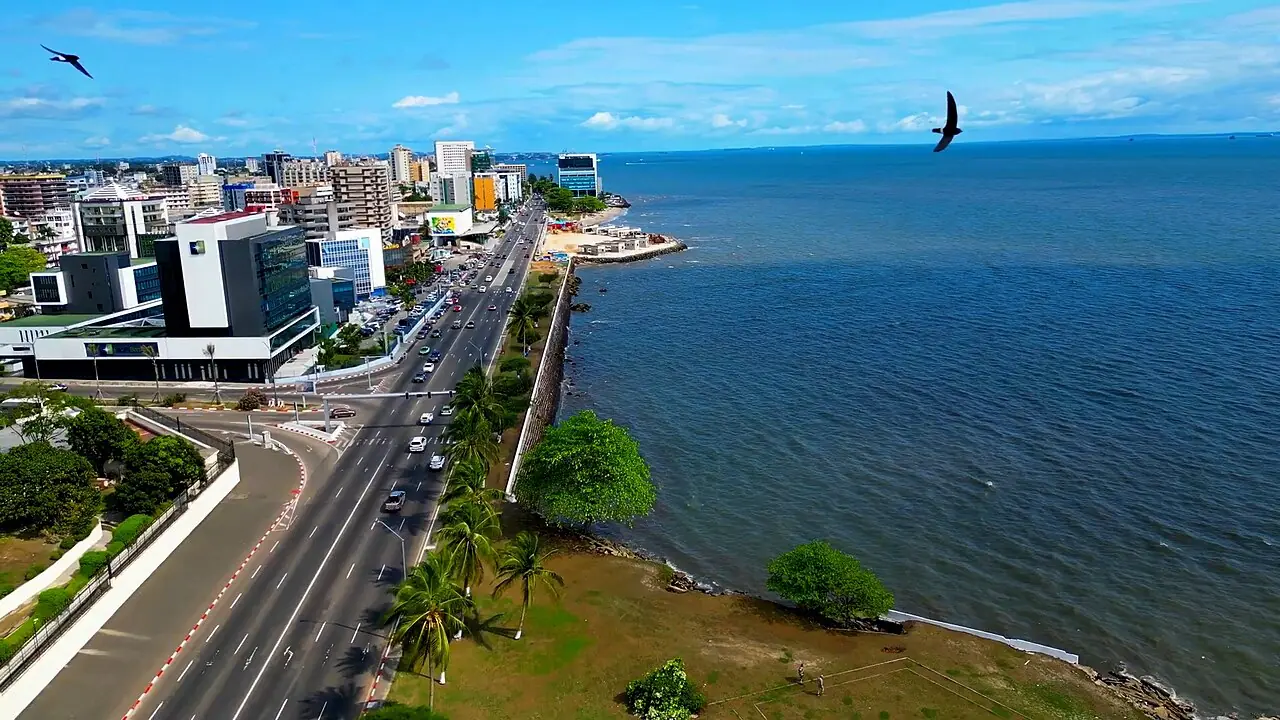 Photo: Shirmy25 · CC BY-SA 4.0
Published by Adama Doumbia, founder of Afrique Unie · updated 28 November 2026 · our method and sources
Why visit Libreville?
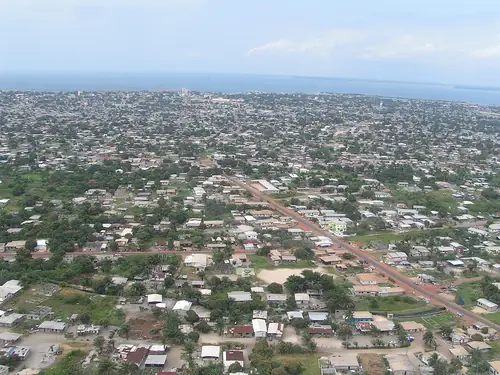
Libreville stretches along the Komo estuary, facing the ocean. Founded in the 19th century by captives freed from a slave ship, the city bears a name that recalls those origins. Today it is a modern, lively capital, where office towers stand next to working-class districts and colourful markets. The seafront, known as the Bord de Mer, offers a long promenade where people come to take the air at the end of the day.
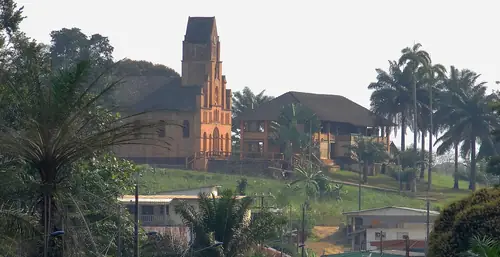
The city is best discovered district by district. Louis, a former village, is known for its restaurants and nightlife. France calls for extra vigilance in several districts, including Petit Louis, Mont-Bouët and Nkembo, and advises against moving around at night, so visit them by day, without valuables. Mont-Bouët market, one of the biggest in the country, is a teeming place where Gabonese and West African traders mingle. The church of Saint-Michel in Nkembo, with its carved wooden columns, showcases local religious art, and the National Museum of Arts and Traditions displays a fine collection of masks.
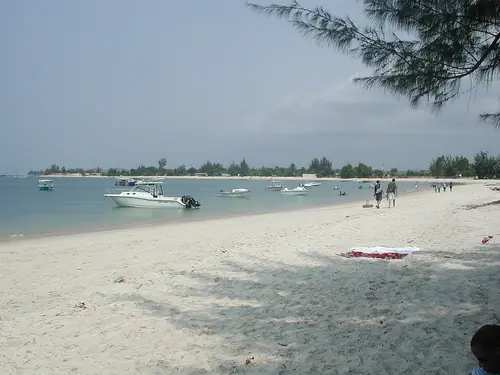
Libreville is also a base for exploring nature: the Sibang Arboretum, Cap Estérias and its beaches, and above all Pointe-Denis and Pongara National Park, across the estuary, reached by boat.
Things to do in Libreville: 6 ideas
- 01Walk along the Bord de MerFollow the seafront at sunset, watching city life and the pirogues on the estuary.
- 02Explore Mont-Bouët marketExplore this big market of spices, fruit, smoked fish and fabrics by day, with company and without valuables, in a district where France calls for extra vigilance.
- 03Visit Saint-Michel churchAdmire the carved wooden columns of this iconic church in the Nkembo district.
- 04Discover the masks of GabonVisit the National Museum to appreciate the richness of Punu, Fang, Kota and other peoples' art.
- 05Head over to Pointe-DenisTake the boat for a day or a weekend on the beaches across the estuary.
- 06Go out in LouisDine in a maquis or restaurant in the district, getting there and back by a taxi booked just for you or a car with a driver: France advises against moving around at night and calls for extra vigilance in Petit Louis.
Where to stay in Libreville
The city centre and the Bord de Mer have most of the hotels and restaurants, handy for business and going out. The Louis district is lively but noisy; in the evening, get around by car, as France advises against moving around at night. The residential area of La Sablière, to the north, offers quieter accommodation near the sea and the airport. For tighter budgets, a few guesthouses can be found in the outlying districts.
See places to stay in Libreville
Frequently asked questions
How many days should I spend in Libreville?
Two to three days are enough for the Bord de mer seafront, Mont-Bouët market, Saint-Michel church in Nkembo and the National Museum. Add a day or a weekend for Pointe-Denis or Pongara National Park, across the estuary. If you are heading on to the inland parks, book your transfers before you arrive.
Is Libreville safe?
According to the French authorities, crime in Gabon remains moderate, but they call for extra vigilance in several districts of the capital, including Petit Louis, Mont-Bouët, Nkembo, Oloumi and around the bus station, and on beaches away from busy spots such as Cap Estérias and Pointe-Denis. France also advises against moving around at night. Visit the market and Nkembo by day, without valuables and ideally with someone local.
When is the best time to visit Libreville?
The long dry season, from June to September, is the most pleasant: skies are often grey, but there is little rain and the heat is less oppressive. December and January bring a short dry season. Humpback whales pass offshore from July to September, and leatherback turtles nest on Pongara's beaches from roughly November to February.
How do I get to Pointe-Denis from Libreville?
Only by boat: shuttles cross the Komo estuary, usually in under an hour. Times vary by day and with sea conditions, so check the day before. France strongly advises against any boat trip in heavy swell or after nightfall, so plan to return before evening.
What currency is used in Libreville?
Prices are in Central African CFA francs (XAF). Cards are accepted in large hotels and some shops, but keep cash for markets, taxis and excursions. Do not carry large sums, and always ask before photographing people: both are official recommendations from France.
 Gabon