AfriqueUnie
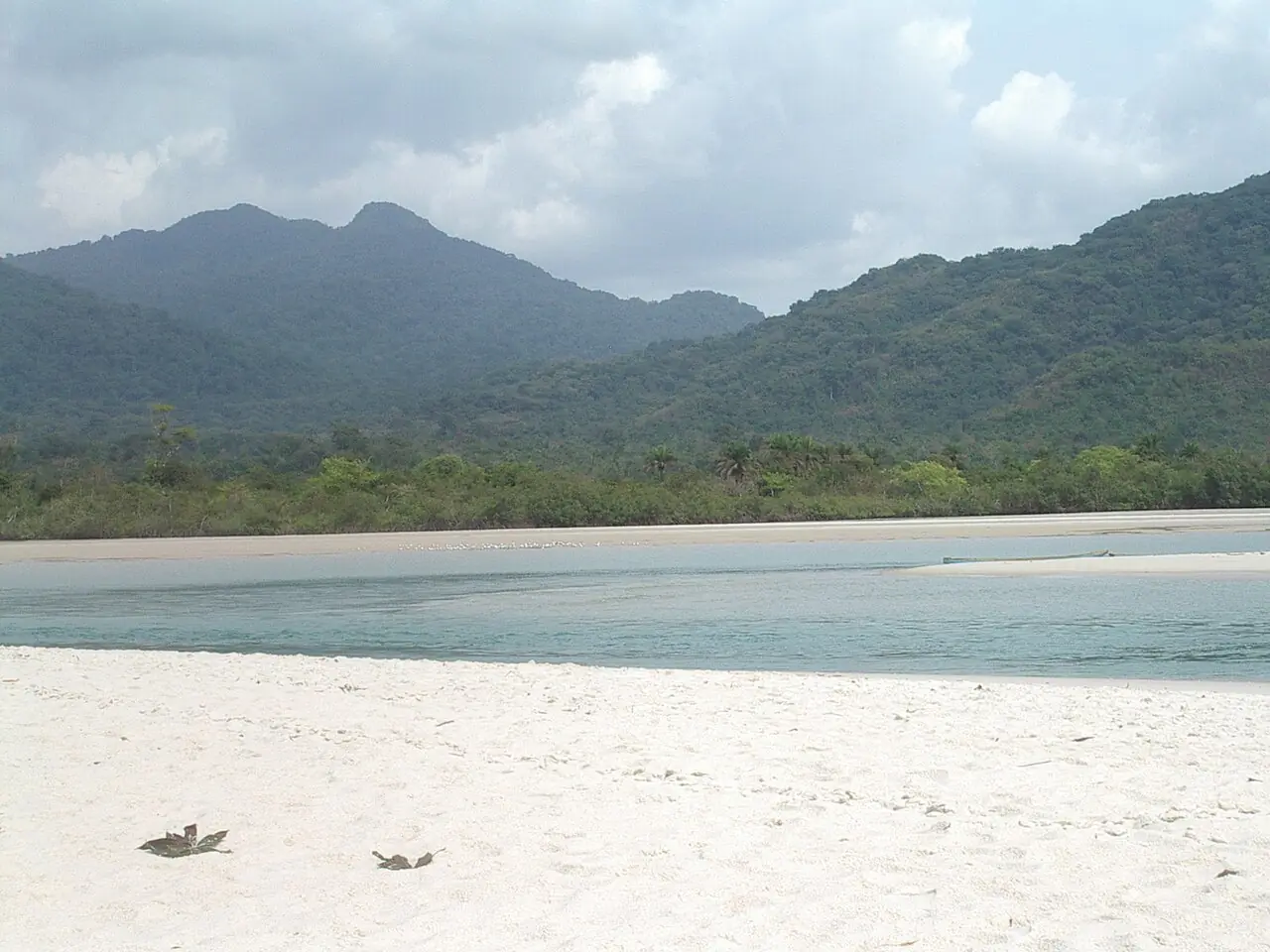 Photo: Christian Trede (Chtrede) · Attribution
Published by Adama Doumbia, founder of Afrique Unie · updated 28 November 2026 · our method and sources
Daily budget
These are rough figures per person per day, excluding the international flight, visa and vaccines. They cover accommodation (two people sharing a room), meals, local transport and a few visits. The country receives few tourists and price data is thinner than elsewhere: treat them as estimates.
On a tight budget, allow roughly €40 to €70, staying in simple guesthouses, eating at local cookshops and using shared taxis. For a comfortable trip, allow about €110 to €200, in a good Freetown hotel or an eco-lodge on the peninsula, with a car and driver for some journeys. At the top end, allow €250 or more, in Freetown's few international-standard hotels.
Freetown has the highest prices, especially for accommodation. The transfer from Lungi airport, across the estuary, is a cost in its own right.
What is expensive and what costs next to nothing
- Accommodation: The biggest cost. Good-quality options are limited and often priced in dollars, particularly in Aberdeen and Lumley.
- Transfer from Lungi: The international airport is separated from Freetown by the estuary: water taxi, ferry or a long drive. Expect several tens of dollars for a water taxi and book ahead.
- Local meals: Rice with cassava-leaf or potato-leaf sauce, or grilled fish, costs little at local cookshops. Beach restaurants and imported goods cost far more.
- Transport: The UK government advises foreigners against shared taxis, minibuses, kekes and motorbike taxis because of robberies. Plan on a car and driver, which soon adds up.
- Excursions: Tacugama Chimpanzee Sanctuary, the Banana Islands or Tiwai Island need private transport or a boat: share them with others.
Money: leones, cash and mobile payment
The currency is the leone (SLE). A new unit, with three zeros removed, was introduced in 2022: prices are still sometimes quoted in the old unit, so ask. According to the French foreign ministry, US dollars and euros are the easiest currencies to change, leones cannot be taken out of the country, and payment in foreign currency is officially prohibited.
Payment is mostly in cash, in local currency. Only a few hotels accept cards. There are some cash machines in Freetown, with high fees and a card-fraud risk flagged by the French foreign ministry. Bring a reserve of dollars or euros in good condition.
The French foreign ministry says you may not bring in more than 10,000 US dollars. Mobile money (Orange Money, Afrimoney) is widespread but needs a registered local SIM card: for a short stay, cash is enough.
Tipping is not compulsory. It is appreciated in restaurants and by guides, drivers and boatmen.
Visa and passport
Information checked in November 2026. These rules can change: read the official sources again before you travel.
A visa is required for British and French nationals. The UK government describes two options: an e-visa applied for online before you travel, or a visa on arrival for 80 US dollars, paid in cash in dollars. A single-entry visa is valid for 90 days from issue for a stay of up to 30 days; a multiple-entry visa is valid for a year, for stays of up to 30 days each. We could not confirm the e-visa fee on the official portal: check it before paying and beware of intermediary websites.
The French foreign ministry notes there is no Sierra Leonean embassy in France and that applications are made online; as the online system is not yet fully reliable, it says a visa on arrival at Freetown airport is still available.
Your passport must be valid for at least six months from the date of your visa application, according to the UK government. Other Europeans, Swiss and Canadian nationals also need a visa according to the sources we consulted, though we could not confirm this for every nationality.
Health declaration: according to the UK government, all travellers entering or leaving Sierra Leone must complete an online declaration on the country's Health Travel Portal within 72 hours before travel and keep the confirmation QR code. Enhanced health screening applies on arrival because of the Ebola outbreak in the DRC and Uganda, declared a public health emergency of international concern by the WHO in May 2026.
Health and vaccinations
Yellow fever: vaccination is required of all travellers entering Sierra Leone, with no minimum age stated by the US CDC. The UK and French governments also describe it as an entry condition. Get the vaccine at least ten days before departure at a travel clinic, and carry your international certificate.
Malaria is present all year throughout the country. See a doctor before you leave about preventive medication and protect yourself from mosquito bites. Any fever during the trip or in the weeks after your return means seeing a doctor straight away.
Cholera and water-borne diseases occur, especially in the rainy season: drink bottled or boiled water. Medical facilities are very limited and often cash-only outside Freetown: insurance covering treatment and medical evacuation is essential. Your doctor may also advise other vaccines, such as hepatitis A, typhoid or rabies.
Before you go: the checklist
- Visa: E-visa before departure or a visa on arrival paid in dollars; check the current procedure on the official sources.
- Passport: At least six months' validity when you apply for the visa.
- Yellow fever: International vaccination certificate, with the vaccine given at least ten days before.
- Health declaration: Complete it online within 72 hours before travel; keep the QR code.
- Money: Dollars or euros in cash, with a bank card as back-up.
- Where to check: The Sierra Leone page on gov.uk/foreign-travel-advice and the Sierra Leone page of « Conseils aux voyageurs » on diplomatie.gouv.fr, plus insurance for medical costs and repatriation.