On the Freetown Peninsula there are mornings that alone justify the trip: mist clinging to forest-clad hills, the sea still glassy, fishermen hauling in their nets on a white-sand beach with nobody but you to watch. Sierra Leone was long associated with war and with the Ebola epidemic; today it is a peaceful country rebuilding its image with infectious energy, and its coastline ranks among the most beautiful in West Africa.
The country lends itself to varied journeys within a compact area. In a few days you can go from the joyful bustle of Freetown to the coves of River No. 2, Tokeh or Bureh, where surfers and families gather on Sundays, and on to the Banana Islands at the tip of the peninsula. Inland, the forest takes over again: Tiwai Island, on the Moa River, is home to an exceptional density of primates and the elusive pygmy hippo, while the north offers mountains such as Mount Bintumani and wooded savannah.
But what stays with you is the people. Krio, a creole language born of the mixing of the founding communities, is heard everywhere, full of laughter and colourful expressions. Someone will call out “Aw di bodi?” to ask how you are, tell you the story of a city founded by freed slaves, and perhaps invite you to dance to local Afropop. Tourism remains modest and the infrastructure sometimes basic, but that is precisely what makes every discovery feel so personal. The country is safe to visit; as anywhere, check your government's official travel advice before you set off.
History and culture
The coast of present-day Sierra Leone, named by Portuguese navigators in the 15th century, became a hub of the Atlantic slave trade: the fort on Bunce Island, in the estuary, saw thousands of captives shipped to the Americas. At the end of the 18th century, British abolitionists settled freed people there: Black Loyalists from Nova Scotia founded Freetown in 1792, later joined by Jamaican Maroons and by Africans liberated from slave ships intercepted by the Royal Navy. Krio culture was born of this mingling.
First a British colony and then a protectorate, Sierra Leone was home to Fourah Bay College, the first Western-style institution of higher education in West Africa, which earned it the nickname “the Athens of Africa”. Independent in 1961, the country sank into an atrocious civil war from 1991 to 2002, fuelled in particular by the diamond trade. Since then it has held peaceful elections, come through the 2014–2016 Ebola epidemic and pressed on with its reconstruction.
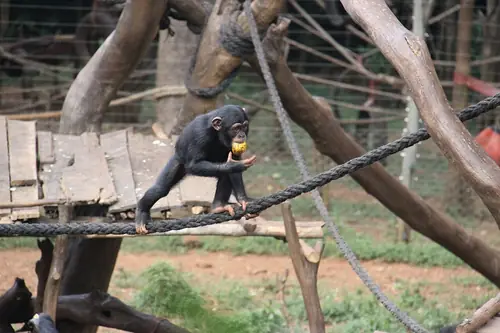
Photo : BigMikeSndTech · CC BY 2.002Meet the chimpanzees of TacugamaVisit the sanctuary in the hills above Freetown and learn about its work rehabilitating orphaned chimpanzees.
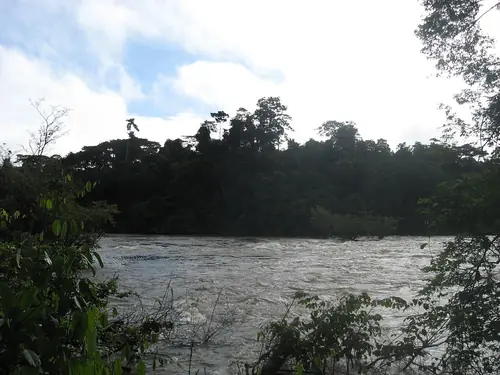
Photo : Dorothy Voorhees · CC BY-SA 2.003Spend the night on TiwaiSleep in a tent or cabin on the island, head out at dawn to watch colobus and guenon monkeys, and drift down the Moa River by pirogue.
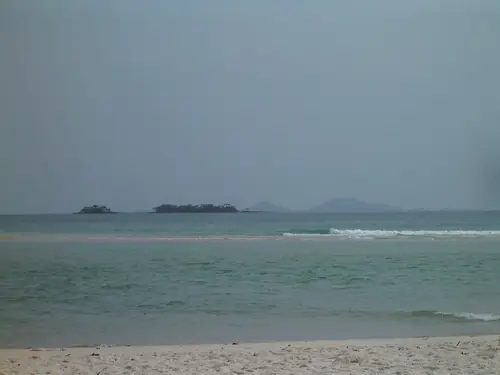
Photo : Christian Trede · Attribution04Snorkel around the Banana IslandsReach the archipelago by boat from Kent, dive around the rocks and visit the colonial remains at Dublin.
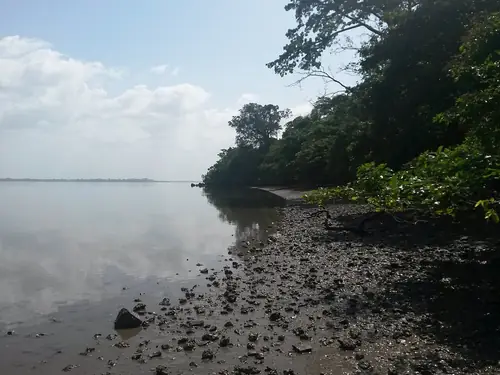
Photo : Pierre Chrzanowski · CC005Step back in time on Bunce IslandTake a boat to the ruins of this slave fort, one of the most powerful places of remembrance in the region.
06Surf at Bureh BeachTake a lesson with the local surf club, on a beginner-friendly wave framed by forest.
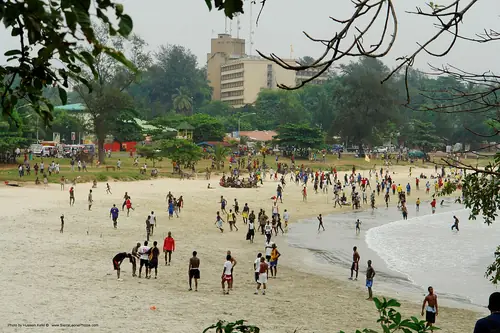
Photo : Hussein Kefel · CC BY-SA 3.007Spend a Sunday at LumleyMingle with Freetown families as they gather on the city's big beach to eat, dance and watch the sun go down.
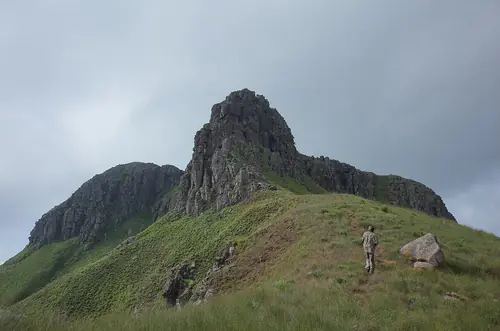
Photo : Rokaso · CC BY-SA 4.008Hike in the northHead for the northern highlands around Mount Bintumani for walks between villages and montane forest.
When to go to Sierra Leone
The country has a dry season from November to April, ideal for travelling: bright skies, passable roads and a calmer sea for reaching the islands. December and January are especially pleasant, even if the harmattan can blur the horizon with fine dust. From May to October, the rainy season is one of the most intense in West Africa, with huge rainfall in Freetown, particularly in July and August. Landslides are a real risk, dirt roads in the interior become difficult and some activities close. On the other hand, surfers sometimes find better waves at the beginning and end of the wet season. For the primates of Tiwai, the dry season makes getting around in the forest easier.
Getting around
Lungi International Airport lies on the far side of the wide Sierra Leone River estuary: you reach Freetown by fast water taxi or ferry, or by a long road around the bay. Factor this transfer into your budget and your schedule. In town, keke (motorised tricycles), okada (motorbike taxis) and poda-poda (shared minibuses) handle most journeys, in traffic jams that can be long. For the peninsula, hiring a taxi for the day is convenient. Inland, the road to Bo and Kenema is in good condition, but reaching Tiwai or the north requires a four-wheel drive. Avoid driving at night, when the roads become dangerous.
Etiquette and customs
Sierra Leoneans set great store by politeness: greet people before asking for anything, and shake hands with a smile. In villages it is customary to present yourself to the chief, who gives his consent for the visit; a small gift is appreciated. The population is mostly Muslim with a large Christian minority, and religious tolerance is one of the nation's proudest traits: you see it in mixed marriages and shared celebrations. Ask before taking photos, especially in markets. Secret societies, such as the Poro for men and the Bondo for women, play an important social role: don't try to attend their rites.
Food and drink in Sierra Leone
The national dish is undoubtedly cassava leaves: cassava leaves pounded at length, then simmered in palm oil with smoked fish or meat and served on a mound of rice. It sits alongside potato leaves, made with sweet-potato leaves, and groundnut soup, a peanut sauce. Jollof rice, coloured red with tomato, is the dish of celebrations. By the sea, grilled barracuda and snapper come with chilli and plantain chips. On the street, try akara, black-eyed-bean fritters, and smoked fish. As for drinks, palm wine, known as poyo, is drunk cool in the morning, and a fiery ginger juice goes with meals.
The best time to visit Sierra Leone: November to April.
What should I see first in Sierra Leone?
The must-sees: River No. 2 Beach, Tacugama Chimpanzee Sanctuary, Tiwai Island, Banana Islands.
Which cities should I visit in Sierra Leone?
Freetown, Bo, Kenema. The capital is Freetown.
How much should I budget for a trip to Sierra Leone?
Budget: around €30–60 per person per day, excluding flights. This is only a guide and depends above all on the accommodation and activities you choose.
What currency and languages are used in Sierra Leone?
Currency: Sierra Leonean leone (SLE). Languages: English, Krio.
How do I get to Sierra Leone?
The main international airport has the code FNA. Compare flights with the ‘Flights’ button on this page.
Do I need a visa to visit Sierra Leone?
Entry requirements depend on your nationality and change regularly. Check them on the country's official website or with your foreign ministry before booking, and make sure your passport is valid.
What should I eat in Sierra Leone?
Dishes to try while you're there: Cassava leaves, jollof rice.
Map
Sierra Leone on the map
Cities Places to see · Approximate positions
On the ground
Getting around and staying healthy
Getting around
Lungi airport lies across the estuary: you reach Freetown by water taxi (Sea Coach Express, Sea Bird) in roughly thirty to forty minutes, by the slower public ferry from Tagrin, or by road in over three hours. There are no scheduled domestic flights or passenger trains. Coaches and minibuses link Freetown with Bo, Kenema and Makeni, and in town people use poda-podas (minibuses), kekes (tricycles) or okadas (motorbike taxis, banned from central Freetown). A car with driver is advisable for the peninsula beaches and the interior; driving is on the right.
Health and safety
Yellow fever
Vaccination certificate required on entry for all travellers (no minimum age stated); vaccine recommended for the whole country (from 9 months).
Malaria
Present throughout the country: ask a doctor about preventive medication and protect yourself from mosquitoes.
Water and food
Unless your accommodation says otherwise, drink sealed bottled or filtered water, and wash your hands often.
Source: US CDC, November 2026. Rules change: see a travel health clinic before you leave, and the UK Foreign Office travel advice for safety.
Useful numbers
Local emergency numbers
Police: 117 or 999 Ambulance: 117 or 999 Fire: 117 or 999 FCDO: 117 (police, ambulance, fire brigade); France Diplomatie: police 999 or 015; Viaggiare Sicuri: emergencies 999, police 019, One Health National Emergency Response 117.
Sources: France Diplomatie, Viaggiare Sicuri, Belgian Foreign Affairs, GOV.UK, checked in November 2026. All 54 countries
Entry requirements (visas, vaccinations) and security conditions change regularly: check them with the official authorities before booking. Official tourism website: Ministry of Tourism and Cultural Affairs.
Affiliate cookiesWe would like to load a script from our partner Travelpayouts. It may set cookies so that we receive a commission when you book through our links, at no extra cost to you. If you decline, the site works in exactly the same way. Find out more
 AfriqueUnie
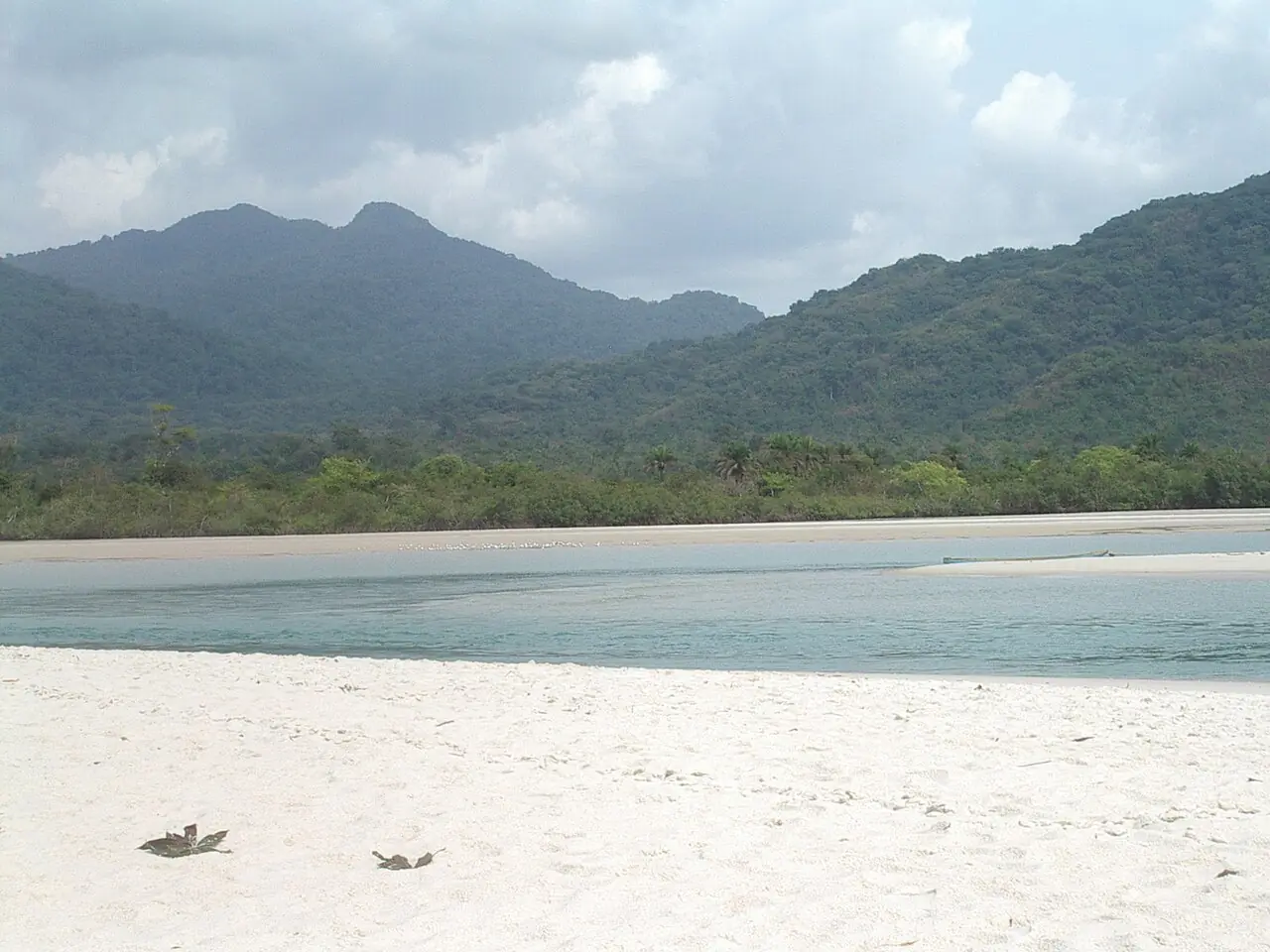 Photo: Christian Trede (Chtrede) · Attribution
 Sierra Leone
 Benin
 Burkina Faso
 Cape Verde
 Côte d'Ivoire
 Ghana
 Guinea
 Guinea-Bissau
 Liberia
 Mali
 Mauritania
 Niger
 Nigeria
 Senegal
 The Gambia
 Togo