AfriqueUnie
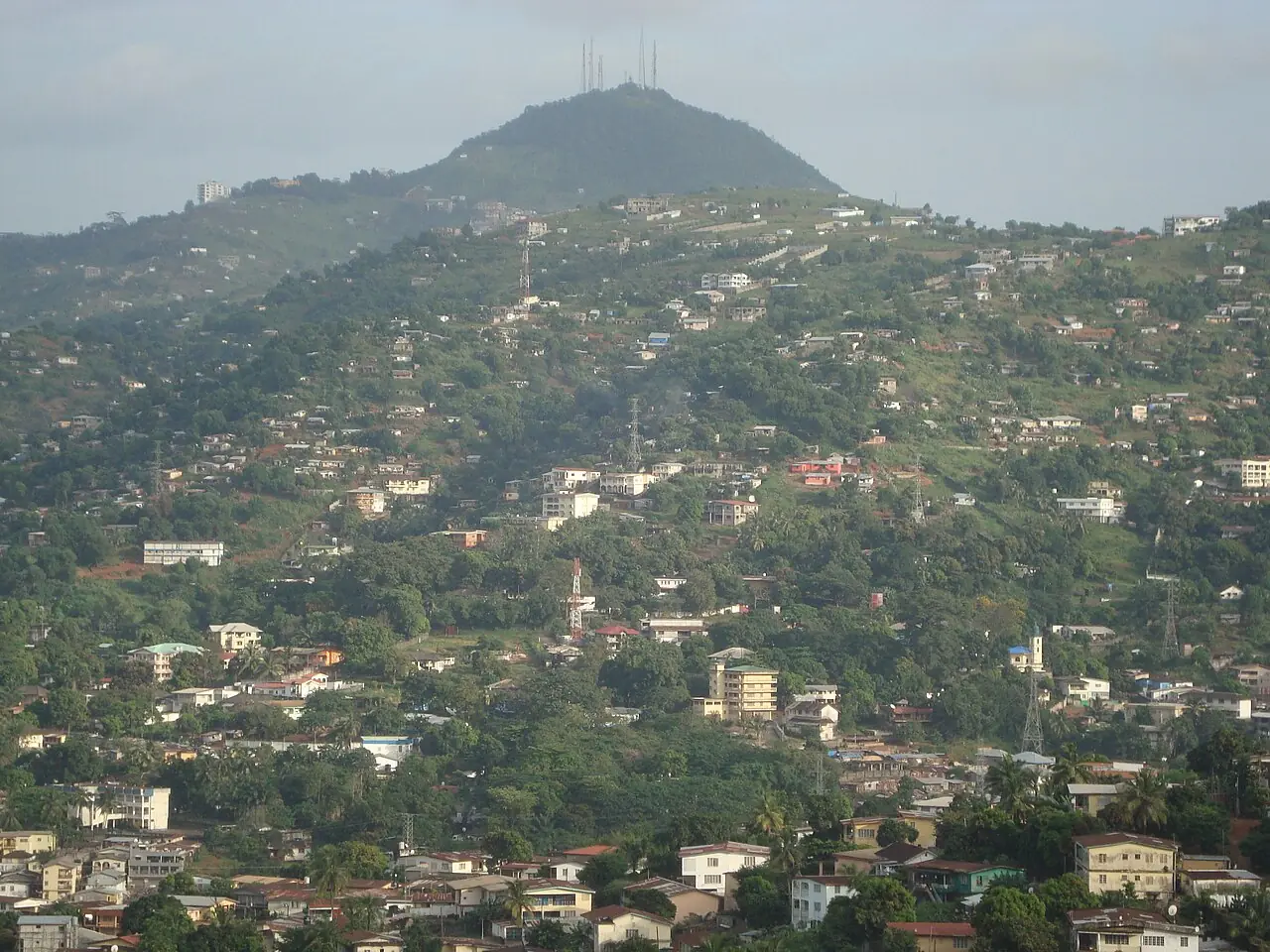 Photo: Ghassan Mroue · CC BY-SA 3.0
Published by Adama Doumbia, founder of Afrique Unie · updated 28 November 2026 · our method and sources
Why visit Freetown?
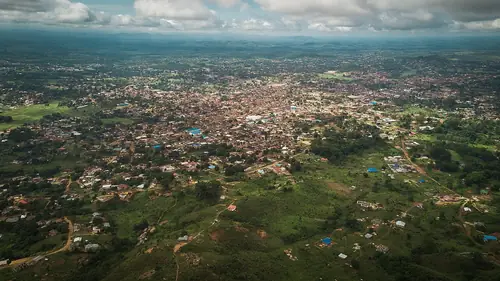
Freetown is best first seen from above: a city squeezed between the ocean and wooded hills, its houses climbing the slopes to the edge of the forest. Below lie the port and the estuary, one of the largest natural harbours in Africa; above, the well-off neighbourhoods and the peninsula's forest park. In between, dense traffic, the cries of street vendors and an energy that never really lets up.
The city carries its history in its name. Founded by former slaves, it long had as its symbol the Cotton Tree, a giant kapok under which the founders are said to have prayed on their arrival; the tree came down in a storm in 2023, and its site, in the centre, remains a place of remembrance. Nearby, the National Museum, the Law Courts Building and the Krio-style clapboard houses evoke the Freetown of old.
In the evening the city turns towards Lumley Beach and the Aberdeen road, where the terraces come alive; after dark, get around by car rather than walking on the beach. Markets such as Big Market, given over to crafts, or the shopping streets around Kissy Street, show another Freetown, more working-class and teeming.
Things to do in Freetown: 6 ideas
- 01Pay your respects to the old Cotton TreeStop by the site of the historic kapok tree in the city centre, then visit the nearby National Museum to learn about the city's founding.
- 02Rummage through Big MarketHunt for indigo-dyed gara cloth, baskets and carvings in this multi-storey craft market, by day and without valuables, as pickpocketing is reported in the city centre.
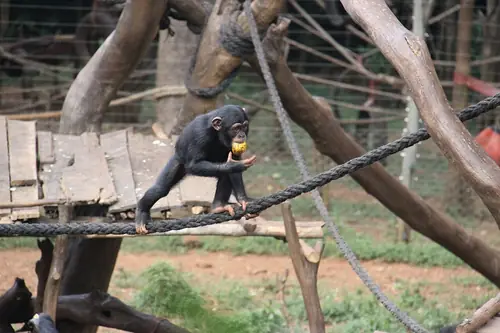
- 03Head up to Tacugama SanctuaryMake for the hills above the city for a guided tour of the chimpanzee refuge.
- 04Visit Bunce IslandArrange a trip across the estuary to the ruins of the slave fort, a poignant moment on any trip, on a boat with life jackets and lights: the UK authorities advise against pirogues and unregulated private boats.
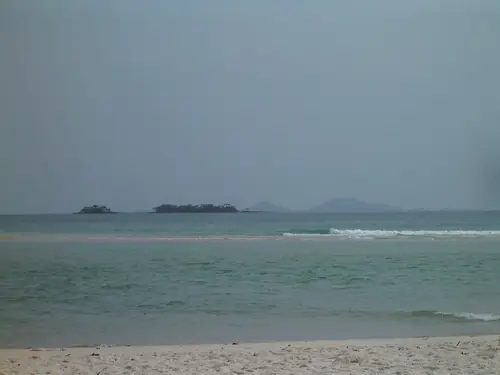
- 05Enjoy Lumley BeachWalk along the big city beach in the late afternoon, then dine on grilled fish facing the sea.
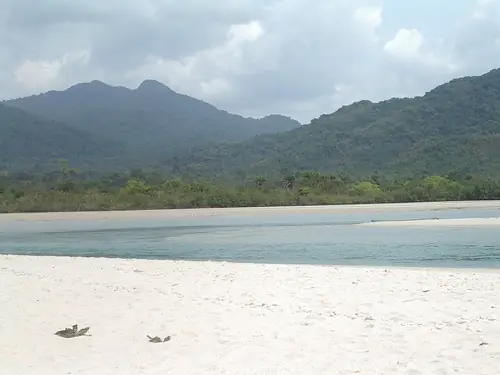
- 06Explore the peninsulaHire a car with a driver to string together the beaches of Lakka, Tokeh, River No. 2 and Bureh.
Where to stay in Freetown
The Aberdeen and Lumley districts, to the west, have most of the hotels and restaurants, with direct access to the beach; this is the most comfortable base. Hill Station and Wilberforce, up on the heights, are quieter and greener, with a few guesthouses and most of the diplomatic residences. The centre, around the Cotton Tree site, is lively by day but not very practical as a place to stay. For a more seaside feel, many prefer to sleep right on one of the peninsula's beaches.
See places to stay in Freetown
Frequently asked questions
How do you get from Lungi airport to Freetown?
Lungi airport is across the estuary: regular water taxis, timed to flights and backed by a shuttle bus, make the crossing in 30 to 45 minutes. A slower ferry also links Tagrin with Kissy. Avoid pirogues and unequipped private boats, and the overland route, which is long and advised against at night.
How do you get around Freetown?
Both France's foreign ministry and the UK authorities advise against public transport: taxis, poda-poda minibuses, kekes and motorbike taxis. Arrange a vehicle with driver for your whole stay, booked through your accommodation or a reputable provider. Do not walk alone at night.
Is Freetown safe?
According to France's foreign ministry, insecurity remains low in Freetown, which is under heightened vigilance, and the beaches are fine by day. Armed robberies, assaults and pickpocketing are nonetheless reported, notably in Congo Cross, Wilkinson Road, Lumley Beach, Aberdeen and around the Cotton Tree site. Avoid the north-eastern districts and the port area, especially at night, and Lumley Beach on foot after dark.
When is the best time to visit Freetown?
The dry season, from November to April, is the best time, although the harmattan can reduce visibility. From May to November torrential rain regularly causes floods and landslides on the city's hillsides.
How many days should you spend in Freetown?
Allow three to four days: one for the centre and the National Museum, one for Tacugama Sanctuary, one for Bunce Island and one or two for the peninsula beaches. For Bunce Island, choose a boat with life jackets rather than a pirogue.
 Sierra Leone