AfriqueUnie
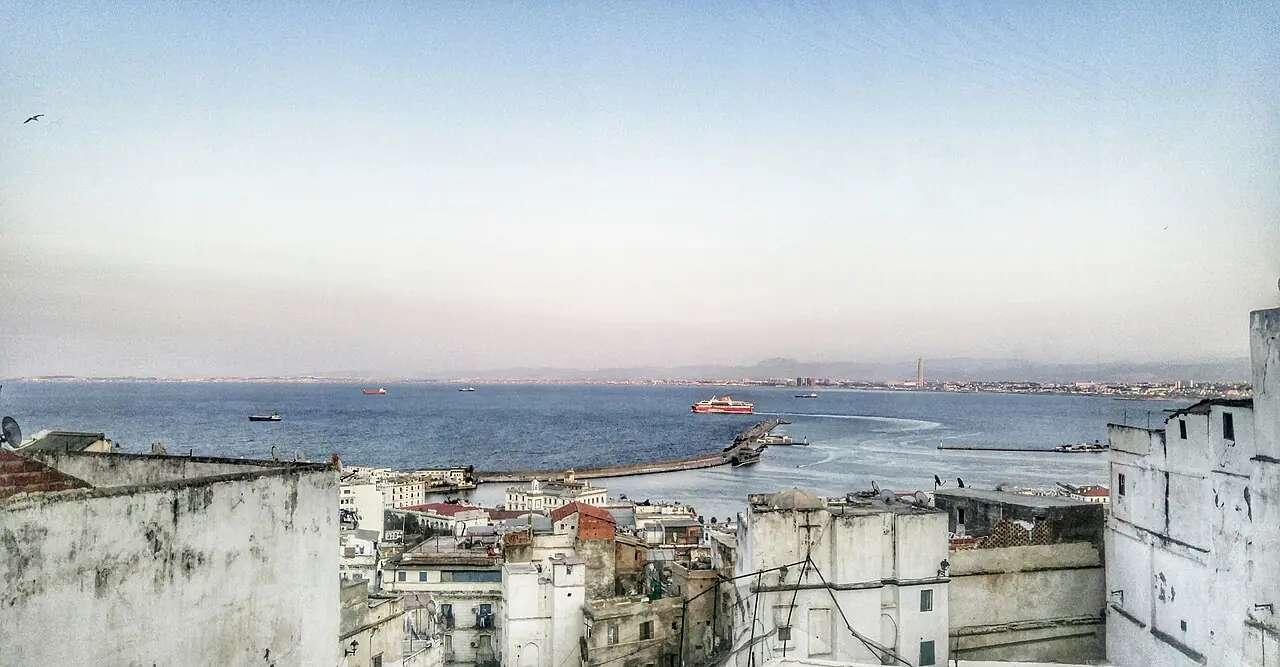 Photo: MohAdm · CC BY-SA 4.0
Published by Adama Doumbia, founder of Afrique Unie · updated 28 November 2026 · our method and sources
Why visit Algiers?
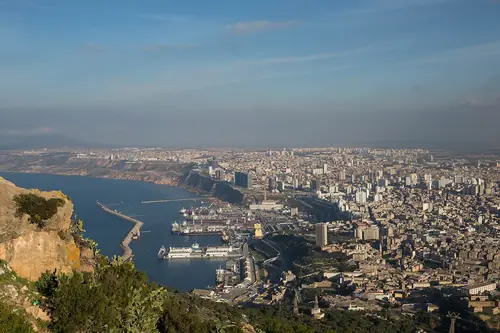
Seen from the sea, Algiers lives up to its nickname, Algiers the White: its Haussmann-style apartment blocks, arcades and Casbah houses tumble down the hills to the bay in a dazzlingly white amphitheatre. The Algerian capital is a city of slopes, made of stairways, viewpoints and winding streets, where you can change centuries in a few minutes' walk.
At the heart of the old town, the Casbah, a UNESCO World Heritage Site since 1992, still bears the mark of the Ottoman regency: palaces with marble patios such as Dar Mustapha Pacha and the Palais des Raïs, small mosques, fountains and houses packed tightly together. It is also a place of remembrance for the War of Independence. Below, the colonial centre, with the neo-Moorish Grande Poste, Rue Didouche-Mourad and Rue Larbi-Ben-M'hidi, is full of cafés, bookshops and pastry shops.
On the heights, the Basilica of Our Lady of Africa, completed in the 19th century, bears an inscription asking for prayers “for us and for the Muslims” and looks down over the bay. At the other end of the city, the Maqam Echahid, the Martyrs' Memorial, watches over the Jardin d'Essai du Hamma, a splendid botanical garden. Algiers also reveals itself through chaâbi, the popular music born in the Casbah, and through its terraces, where you drink coffee facing the sea.
Things to do in Algiers: 6 ideas
- 01The Casbah with a local guideA resident or a neighbourhood association will take you into the alleys and tell you the story of each house.
- 02The Jardin d'Essai du HammaAvenues of giant ficus, palms and dragon trees in one of the finest botanical gardens in the Mediterranean.
- 03Our Lady of AfricaClimb up to the basilica late in the day for the view over the bay, then walk down towards the Bologhine district.
- 04The National Museum of Fine ArtsSet above the Jardin d'Essai, it holds a rich collection of paintings and sculptures.
- 05The Grande Poste and the centreAn architectural walk past neo-Moorish façades, seafront arcades and monumental staircases.
- 06A trip to TipasaAbout an hour and a half to the west, Roman ruins by the water and the Royal Mausoleum of Mauretania.
Where to stay in Algiers
The centre, around the Grande Poste and Rue Didouche-Mourad, is convenient for doing everything on foot and for reaching the metro. Hydra and El Biar, on the heights, are quiet residential districts with embassies and business hotels. The seafront, from Bab El Oued to Pointe Pescade, has hotels with views over the bay. Outside the city, Sidi Fredj and its surroundings are home to beach resorts.
Frequently asked questions
How many days do you need in Algiers?
Allow two to three days for the highlights: one day for the Casbah and the colonial centre, another for the Jardin d'Essai, the Maqam Echahid and Notre-Dame d'Afrique. Add a day if you want to make the trip to Tipasa, about an hour and a half's drive to the west.
How do you get from the airport to central Algiers?
A train links Houari Boumediene Airport with Agha station, right in the centre, with regular departures during the day. With luggage or late in the evening, a taxi is easier: agree the fare before setting off or ask your accommodation to arrange the transfer.
Is Algiers safe?
France's foreign ministry classes Algiers at its normal level of vigilance, and there is a strong security presence in the city. The usual precautions apply: keep an eye on valuables, avoid deserted streets at night and stay away from gatherings. The country's border areas, on the other hand, are strongly advised against.
Can you take photos freely in Algiers?
Not everywhere: do not photograph official buildings, embassies, soldiers or police, and filming people in the street can be badly received. Always ask before photographing someone. Bringing drones into Algeria requires very restrictive authorisations.
When is the best time to visit Algiers?
Spring and autumn bring mild temperatures, ideal for exploring such a hilly city on foot. Summer is hot and humid but good for the sea, while winter stays mild but wetter. During Ramadan, days are quiet and evenings very lively.
 Algeria