AfriqueUnie
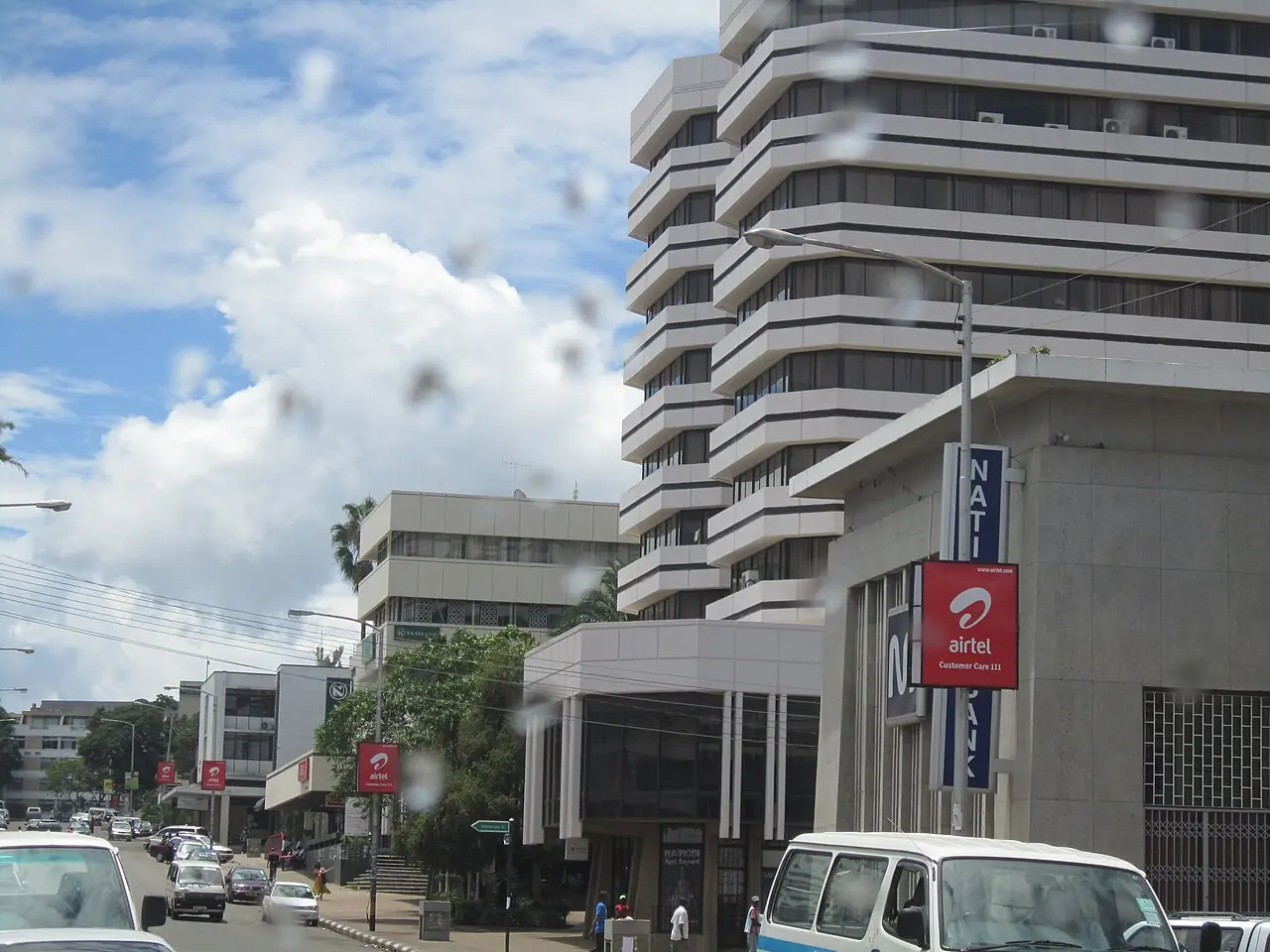 Photo: SMuyila · CC BY-SA 4.0
Published by Adama Doumbia, founder of Afrique Unie · updated 28 November 2026 · our method and sources
Why visit Blantyre?
Blantyre is Malawi's oldest city and its main economic centre. Founded in 1876 by missionaries from the Church of Scotland, it takes its name from David Livingstone's birthplace in Scotland. It spreads across green hills in the highlands of the south, at an altitude that gives it a pleasant climate.
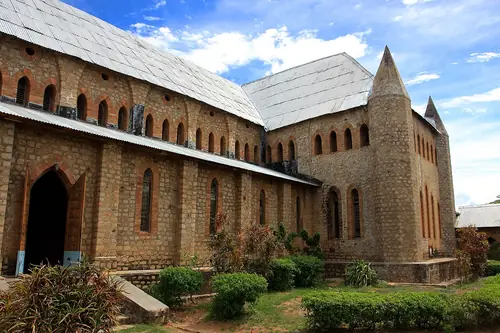
Its most remarkable landmark is the Church of St Michael and All Angels, built by the missionaries at the end of the 19th century without a professional architect, using bricks made on site. Its arches and dome are surprisingly elegant. Mandala House, one of the oldest houses in the country, is now home to a gallery and a café. The National Museum, though modest, has some interesting collections on the country's history.
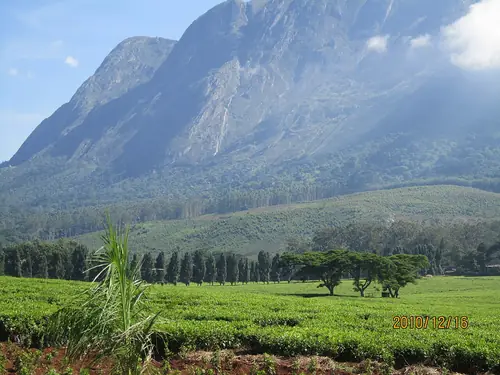
Blantyre is also an excellent base for exploring southern Malawi: Mount Mulanje is about an hour and a half's drive away, the tea estates of Thyolo are close by, and the Zomba Plateau, around the former colonial capital, offers forest walks and magnificent views.
Things to do in Blantyre: 6 ideas
- 01St Michael and All Angels ChurchAdmire the brick architecture of this church built by the missionaries.
- 02Mandala HouseVisit one of the oldest houses in the country, now home to an art gallery.
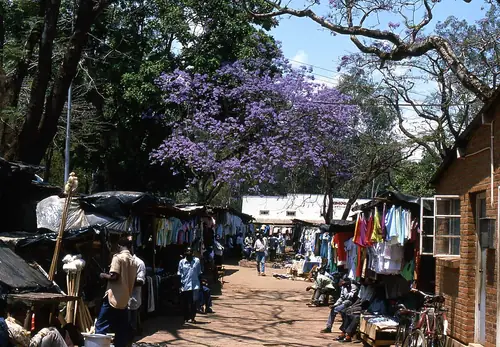
- 03Limbe marketExplore the bustling big market of Blantyre's twin town.
- 04The Zomba PlateauHike through the forests and take in the plateau's viewpoints, about an hour's drive away.
- 05The Thyolo tea estatesVisit a tea plantation and taste the local produce.
- 06Hiking on Michiru HillWalk in the forest reserve on the edge of the city.
Blantyre in one day
- 01MorningStart at St Michael and All Angels Church, on the site of the old mission, for its arches, its dome and its bricks made on the spot by Scottish missionaries. Come in the morning, outside service times and suitably dressed, and take a taxi from the centre, agreeing on the fare before you set off.
- 02LunchHead to Mandala House, built in 1882, the oldest building in Blantyre and a national monument, which houses an art gallery, a café and the Society of Malawi library. Have lunch there or in the centre: grilled chambo, the Lake Malawi tilapia, served with nsima.
- 03AfternoonVisit the national museum at Chichiri, modest but useful for understanding the country's history and traditions, then do a little shopping in the centre. Carry few valuables: France reports thefts in crowded places such as bus stations and markets.
- 04EveningHave an early dinner in Sunnyside or Mandala, quiet districts close to the centre, over grilled chicken, nsima and a local beer. Return by taxi rather than on foot: France advises particular caution at night in Blantyre because of theft, carjacking and assault.
A second day in Blantyre
- 01MorningSet off early with a driver for the Zomba Plateau, about sixty kilometres north-east, to hike through the pine forests to the Mulunguzi Dam and Williams Falls. Take a guide recommended by your accommodation rather than a stranger who approaches you (the UK urges caution), and stay alert: France lists Zomba among the tourist spots targeted by thieves.
- 02LunchPicnic near the dam or eat on the plateau, trying the strawberries and blackberries grown on the mountain. On clear days, the view stretches to Mount Mulanje and Blantyre; from the plateau's western edge you can see the Shire River and Liwonde National Park.
- 03AfternoonCome down via the town of Zomba, the former colonial capital, for its lively market and period government buildings, then drive back to Blantyre. Leave early enough to arrive before dark: unlit and busy with pedestrians, cyclists and animals, Malawi's roads are dangerous after sunset.
- 04EveningFor your last evening, have chambo or goat skewers, with a cup of Thyolo tea. If you are staying longer, arrange a day trip with your driver to the Thyolo tea estates or Mount Mulanje, which should be climbed with a guide vetted through the Mountain Club of Malawi.
A little history
In 1876, Church of Scotland missionaries founded a mission in the Shire Highlands, where the city now stands, and named it after David Livingstone's birthplace. A Scottish trading company settled at Mandala and built Mandala House, while the missionaries raised St Michael and All Angels Church, completed in 1891. Blantyre then became the main trading centre of the British protectorate, first known as British Central Africa and later as Nyasaland.
In the early 20th century the railway boosted Limbe, a few kilometres to the east, where tea and tobacco companies set up. The two towns merged in 1956, eight years before Malawi's independence in 1964. The capital, long based in Zomba, moved to Lilongwe in 1975, but Blantyre remains the country's economic heart, with company headquarters, busy markets and residential districts spread across the green hills.
What to eat in Blantyre
The national dish is nsima, a thick maize porridge that you roll in your right hand and dip into ndiwo, the relish: leafy greens, beans, meat or fish. Chambo, a tilapia from Lake Malawi, is the best-known fish, grilled or fried; small dried usipa are also eaten with nsima. On the street you'll find mandasi (doughnuts), roast maize and goat skewers.
To drink, tea from the nearby Thyolo and Mulanje estates is everywhere, and coffee from the north of the country is catching on. Thobwa, a thick, lightly fermented maize drink, is alcohol-free, unlike masese, the traditional beer. The markets of Blantyre and Limbe, the evening grill stalls and the simple local eateries in the centre are the best places to try Malawian food.
Where to stay in Blantyre
The residential districts of Sunnyside and Mandala, close to the centre, offer guesthouses and hotels in quiet surroundings. The city centre is handy for shopping and sightseeing but noisier. Limbe, the twin town, is more commercial and working-class. For a stay closer to nature, there are lodges on the tea estates or at the foot of Mount Mulanje.
Getting there and getting around
Chileka International Airport (code BLZ) is about 15 km north of the centre and mostly handles regional flights; allow half an hour by taxi. Many travellers fly into Lilongwe (LLW) instead, four to five hours away along the M1, by coach or with a car and driver.
In town, taxis have no meters: agree the fare before you set off. Minibuses are cheap but crowded. The currency is the Malawian kwacha; ATMs are found in the centre, cards are rarely accepted outside hotels and supermarkets, and US dollars in cash come in handy for changing money.
Neither the French nor the UK official advice warns against any part of Malawi. The French authorities place the whole country under heightened vigilance and call for particular care in Blantyre at night (theft, car-jacking, muggings); the UK Foreign Office reports a rise in break-ins, some of them violent, in Blantyre and Limbe. Avoid demonstrations. The dry season, from May to October, is the best time to visit, cooler until August; the rains fall from November to April.
See places to stay in Blantyre
Frequently asked questions
How many days do you need in Blantyre?
One day covers St Michael and All Angels Church, Mandala House, the museum and Limbe market. Allow three to five more days to explore Mount Mulanje, the Zomba Plateau, the Thyolo tea estates and Liwonde or Majete national parks.
Is Blantyre safe?
Blantyre is not an area official advice warns against, but the French authorities recommend particular care there because of theft and muggings. After dark, take a taxi rather than walk, carry few valuables and stay alert near the bus stations.
How do you get from Lilongwe to Blantyre?
By the M1 road, in four to five hours depending on road conditions and checkpoints. Regular coaches link the two cities, and domestic flights run depending on the season. A car with a driver lets you stop along the way, at Zomba for example.
When should you go to Blantyre?
From May to October, in the dry season: days are sunny and nights cool until August, then the heat builds in September and October. From November to April the rains make some dirt roads difficult, but the hills and tea estates are a vivid green.
What is there to do in Blantyre in the evening?
Evenings are quiet: dinner in Sunnyside or Mandala, street grills and local beer, or a meal at your accommodation. The city empties fairly early. Take a taxi booked in advance for every journey, as France advises particular caution at night in Blantyre and against travelling at night in isolated places.
Can I climb Mount Mulanje from Blantyre?
Yes, but not in a single day: Sapitwa, the highest point at 3,002 metres, takes several days of hiking with nights in mountain huts. France considers the massif dangerous, as the weather can change abruptly, reports assaults there and recommends a local guide vetted through the Mountain Club of Malawi. The UK also advises getting security advice there, after British tourists were violently assaulted in their hotel in Mulanje in 2025.
 Malawi