AfriqueUnie
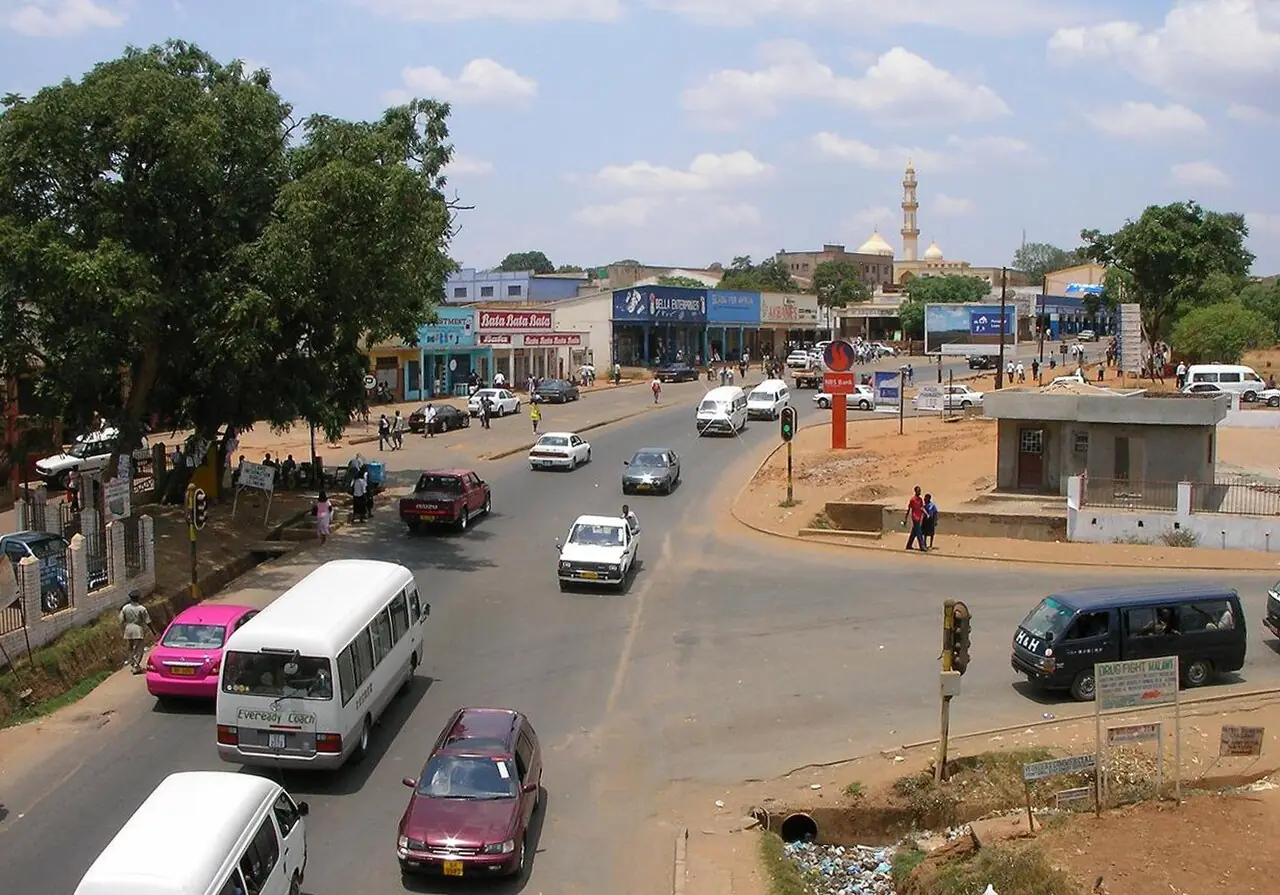 Photo: Brian Dell · Public domain
Published by Adama Doumbia, founder of Afrique Unie · updated 28 November 2026 · our method and sources
Why visit Lilongwe?
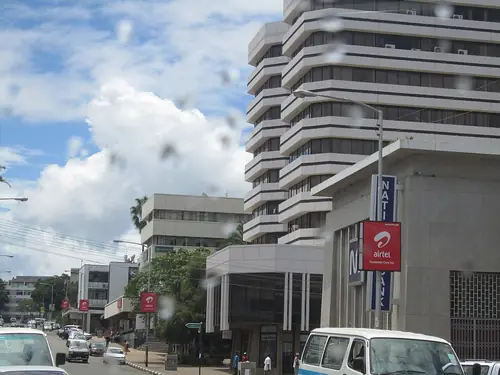
Lilongwe does not look like a typical African capital. Chosen as the capital in the 1970s by Hastings Banda, it covers a vast area divided into numbered areas separated by green spaces, nature reserves and tree-lined avenues. People get around by car more than on foot, and the city keeps a peaceful, almost provincial character, despite being the country's political centre.
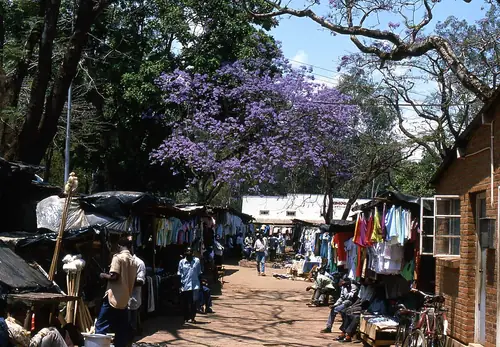
The liveliest part is the Old Town, around Areas 2 and 3, home to the main market, Indian-run shops, small restaurants and street stalls. The market is a fascinating place, selling everything from fruit and vegetables to spare parts, chitenje fabrics and crafts. Capital Hill, to the north, is where the ministries and government buildings are clustered.
Lilongwe also has some surprising green spaces right in the city, such as the Lilongwe Wildlife Centre, a care centre for wild animals, and the nature sanctuary along the Lingadzi River. For most travellers it is a stopover of a day or two before heading for the lake, South Luangwa National Park in Zambia, or other regions.
Things to do in Lilongwe: 6 ideas
- 01The Old Town marketLose yourself in the colourful aisles of the main market, among fruit, fabrics and crafts.
- 02The Lilongwe Wildlife CentreDiscover the work of caring for and rehabilitating wild animals in the heart of the city.
- 03The craft marketHunt for carvings, chief's chairs and wooden objects near the post office.
- 04The Kamuzu MausoleumSee the monument to the country's first president, near Capital Hill.
- 05Artists' studiosMeet painters and sculptors in the city's galleries.
- 06The Dedza plateauTake a trip to the plateau and its rock paintings, about an hour and a half away.
Lilongwe in one day
- 01MorningStart at the big Old Town market in Areas 2 and 3, when it comes to life and the heat is still mild. Wander through stalls of fruit, chitenje cloth and spare parts, then the nearby Indian-run shops. Keep your belongings close, as markets attract pickpockets.
- 02LunchHave lunch at a small canteen in Old Town: nsima, a maize-flour dough, with grilled chambo, the tilapia of Lake Malawi, or a relish of greens and groundnuts. Then stop at the craft market near the post office for carvings and wooden chief's chairs.
- 03AfternoonTake a taxi to the Lilongwe Wildlife Centre, a sanctuary founded in 2007 between Old Town and Capital Hill that cares for rescued and injured wild animals. The guided tour explains its rehabilitation work, and trails wind through the surrounding woodland. Then visit the Kamuzu Mausoleum near Capital Hill.
- 04EveningHave dinner at a restaurant in Area 10 or 12, quiet leafy residential districts, or at your accommodation. The French Foreign Ministry urges particular caution at night in Lilongwe, so take a taxi recommended by your hotel, even for short trips, and do not walk alone.
A second day in Lilongwe
- 01MorningLeave early for Dedza, the highest town in Malawi, about 80 kilometres south-east along the M1. Drive carefully: Malawi has one of the highest road accident rates in Africa, and the road runs close to the Mozambican border, where the French authorities advise caution.
- 02LunchHave lunch in Dedza, where the cool plateau air is a welcome change from the capital's heat, then wander through the local market. The area is also known for its pottery, with several workshops selling handmade pieces. Fill up with fuel and withdraw cash if needed.
- 03AfternoonHead to the Chongoni Rock Art Area, a UNESCO World Heritage Site, and its shelters painted in red and white, such as Mphunzi or Chentcherere. Go with a local guide, as the tracks are poorly signposted, and never touch the paintings.
- 04EveningSet off back to Lilongwe early enough to arrive before dark, as the French authorities advise against travelling outside towns after sunset, on foot or by car. Then have dinner near your accommodation, getting there by taxi.
A little history
Lilongwe began as a Chewa village on the banks of the river of the same name, in the middle of a fertile farming plateau. In 1904 the British colonial administration of Nyasaland set up an administrative post here, which gradually became a market for the region's tobacco and farm produce. Throughout the colonial period, however, the capital remained at Zomba, in the south, while Blantyre grew into the main commercial centre. Lilongwe was then just a small town, whose layout survives in today's Old Town.
After Malawi's independence on 6 July 1964, President Hastings Kamuzu Banda decided to make Lilongwe the capital, to develop the centre and north of the country. The move from Zomba became official in 1975, and a new city was built on a plan of numbered areas, with Capital Hill for the ministries. The last government departments moved here in 2005. The Kamuzu Mausoleum, where Banda has lain since his death in 1997, and the new Parliament reflect its role as the political capital.
What to eat in Lilongwe
In Malawi, meals revolve around nsima, a stiff maize porridge eaten with your fingers and served with relish: leafy greens, beans, peanut sauce, or stewed chicken or beef. Chambo, a tilapia from Lake Malawi, grilled or fried, is the country's most prized fish, and usipa, small dried fish, are served in sauce. On the streets you'll find roasted maize cobs, fritters called mandasi and chips sold at the markets.
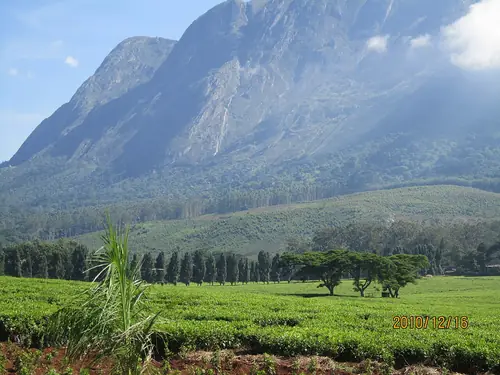
To drink, thobwa, a thick, lightly fermented drink made from maize or millet, is very popular, and tea, grown in the south around Thyolo and Mulanje, is drunk throughout the day. To eat, head to the small canteens of the Old Town market, the stalls of Areas 2 and 3 and the grill stands set up along the main roads in the evening.
Where to stay in Lilongwe
The residential areas near the Old Town, such as Area 10 or Area 12, offer guesthouses, lodges and restaurants in quiet, leafy surroundings. The Old Town itself is livelier and handy for budget travellers, with hostels and simple hotels. The areas near Capital Hill have a few more formal hotels used by business travellers.
Getting there and getting around
Kamuzu International Airport (code LLW) is north of the city, around thirty kilometres from the centre, a thirty- to forty-five-minute drive. There is no practical public transport, so arrange a taxi or a transfer through your accommodation. Lilongwe has flights to Johannesburg, Nairobi and Addis Ababa, among others, as well as domestic flights to Blantyre.
As the city is so spread out, taxis are essential, along with minibuses for trips between areas, which are cheaper but often crowded. The currency is the Malawian kwacha. Some ATMs at the major banks accept foreign cards, but not all, and they sometimes run out of cash; cards are mainly accepted in hotels, lodges and supermarkets: bring US dollars or euros in cash to change at banks or licensed bureaux de change.
France Diplomatie places the whole of Malawi under heightened vigilance, partly because of the dangers on the roads, and urges particular caution at night in Lilongwe (theft, carjacking and assaults), where the UK Foreign Office also reports a rise in break-ins: avoid quiet areas at night and keep away from demonstrations. The best time to visit is May to October, the dry season; September and October are hot, and the rains fall from November to April.
See places to stay in Lilongwe
Frequently asked questions
How many days do you need in Lilongwe?
One day is enough for the Old Town market, Lilongwe Wildlife Centre and the Kamuzu Mausoleum. Most travellers spend one or two nights here before heading to Lake Malawi or the national parks.
Is Lilongwe safe?
Lilongwe has a reputation as a calm city, but France Diplomatie urges particular caution at night (theft, carjacking and assaults) and the UK Foreign Office reports a rise in break-ins. Don't walk alone at night, use taxis recommended by your accommodation and keep valuables out of sight. Avoid driving at night, when accidents are common.
When is the best time to visit Lilongwe?
May to October, the dry season, brings sunny weather, with cool mornings in June and July; it is also the best time for safaris. From November to April, the rains turn the countryside green, but some tracks become difficult.
What is there to see around Lilongwe?
The Dedza plateau and the rock art of Chongoni, a UNESCO World Heritage Site, are about an hour and a half to the south. The shores of Lake Malawi, at Senga Bay or Cape Maclear, are a few hours away, as is Nkhotakota Wildlife Reserve. South Luangwa National Park, in Zambia, can be reached by road via Mchinji.
What is there to do in Lilongwe in the evening?
Nightlife is low-key: people dine at restaurants in Areas 10 and 12 or in Old Town, and some venues host live music at weekends. Get around by taxi recommended by your accommodation, as the French Foreign Ministry reports thefts, carjackings and assaults at night in the capital.
How do I get from Lilongwe to Lake Malawi?
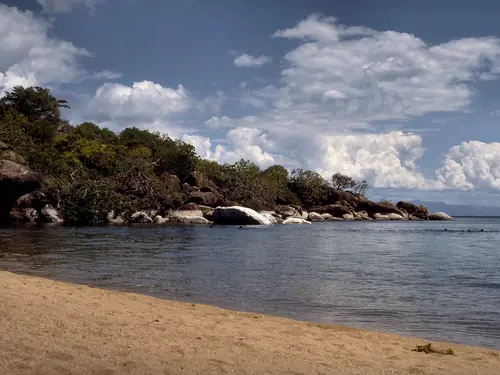
The nearest beach is Senga Bay, near Salima, about two to three hours' drive east. Cape Maclear, at the southern end of the lake, takes a good half-day to reach. Leave in the morning, with a driver or a hire car, and arrive before dark. The French Foreign Ministry reports that thieves target tourist spots such as Senga Bay and Cape Maclear, so keep valuables somewhere safe.
 Malawi