A lake the size of a sea, freshwater beaches, mountains to hike and reserves where the Big Five are being reintroduced: Malawi is a little-known gem.
🏆 2027 award National Geographic has named Malawi one of its 25 "Best of the World 2027" destinations. The magazine highlights national parks revived by conservation, such as Liwonde and Majete, and Lake Malawi, one of the largest freshwater lakes in the world. Read the National Geographic article
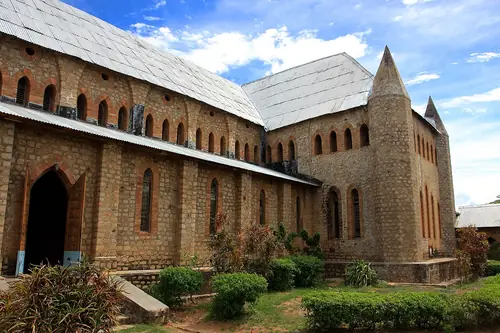
Malawi is nicknamed “the warm heart of Africa”, and for once the phrase is no mere marketing. In this small, long and narrow landlocked country, the welcome is disarmingly simple: people greet you by the roadside, invite you to share a plate of nsima, and children laughingly tag along on your walks through the villages. Malawi is one of the poorest countries in the world, but also one of the most peaceful in the region, and you travel at the slow pace of rural life, past maize fields, roadside markets and red-brick churches.
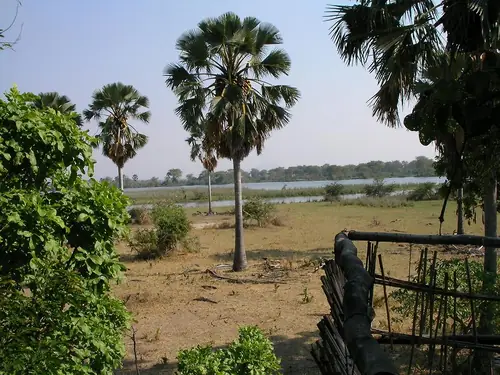
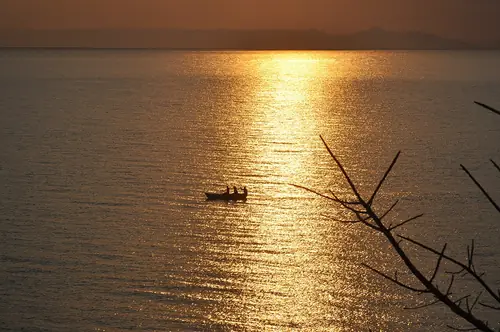
Its great treasure is Lake Malawi, which runs along much of the country's eastern border. Nearly six hundred kilometres long and lined with golden sandy beaches and fishing villages, it feels like an inland sea. Its clear waters are home to a diversity of colourful cichlid fish unique in the world, which you can watch with just a mask and snorkel. At sunset the fishermen's dugouts glide across the water, and at night the lamps of the fishing boats form a constellation on the lake.
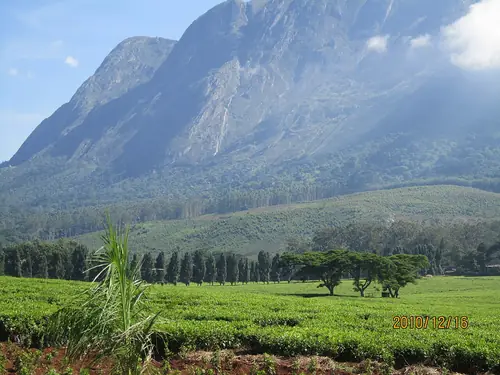
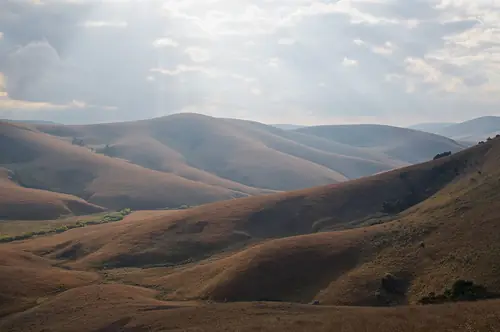
Malawi also has mountains and parks. The Mulanje massif, the Zomba Plateau and the Nyika Plateau, covered in high-altitude grasslands where zebras graze and orchids bloom, make for superb hiking. Thanks to conservation work carried out over the past fifteen years or so, several reserves, including Liwonde and Majete, have seen the return of lions, cheetahs, elephants and rhinos, so you can combine safaris, lake and mountains in a single trip. Distances are short, landscapes varied, and the country still sees few tourists.
History and culture
Bantu peoples, notably the Chewa, settled in the region during the first millennium, and the Maravi Empire, which gave the country its name, dominated much of the area from the 15th to the 18th century. In the 19th century the region was ravaged by the slave trade, directed towards the Swahili coast. David Livingstone arrived in 1859; Scottish missions, then the British administration, followed. The Nyasaland protectorate was established at the end of the 19th century.
Independence was declared on 6 July 1964. Hastings Kamuzu Banda then ruled the country in authoritarian fashion for thirty years, until multiparty politics was introduced in 1994. Since then Malawi has seen several democratic changes of power, including the annulment of the 2019 presidential election by the courts, a rare event on the continent.
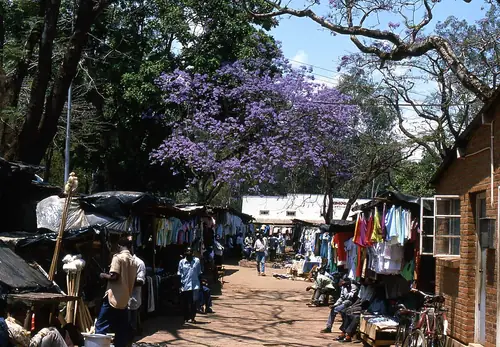
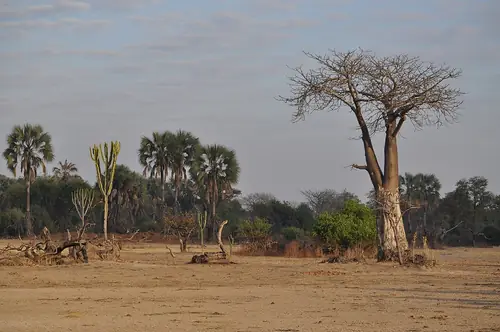
Photo : Kevin.Souza · CC BY-SA 4.008A village marketSoak up the life of a lakeside market, among dried fish, tomatoes and brightly coloured fabrics.
When to go to Malawi
The dry season, from May to October, is the most pleasant. From May to August temperatures are mild, even cool at altitude, and ideal for hiking on Mulanje or Nyika. September and October are hotter, especially along the lake and in the Shire Valley, but this is the best time for safaris, as the wildlife concentrates around the waterholes. The rainy season, from November to April, makes some tracks difficult and increases the risk of malaria, but the landscapes turn a brilliant green and migratory birds flock in.
Getting around
Distances are relatively short, but the roads are often in poor condition and journeys slow. The main towns are linked by buses and minibuses, which are cheap but very crowded. Hiring a car with a driver is a common and comfortable option. Domestic flights are limited. There are boats to the islands on the lake, but their timetables and operations can change, so ask locally. Driving is on the left. Fuel shortages have been frequent in recent years: fill up whenever you can and allow some margin.
Etiquette and customs
Greetings are essential and take time. A “Moni” in Chichewa, followed by “Muli bwanji?”, how are you, will always be appreciated. Society is fairly conservative: women often wear skirts or wraps that cover the knees, and beachwear is kept for the lakeshore. Give and receive with your right hand, or with both hands. Ask before photographing anyone. Malawians are deeply attached to their faith, so respect places of worship. Homosexuality is criminalised by law: be discreet.
Food and drink in Malawi
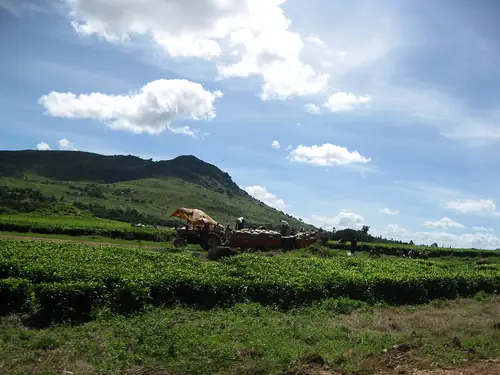
Nsima, a firm paste of white maize meal, is the basis of almost every meal. It is eaten with the right hand, accompanied by green vegetables, beans, meat or fish. Chambo, a tilapia endemic to Lake Malawi, is the most prized fish: grilled over a wood fire or fried, it is served with nsima or chips. Usipa, small dried fish, is also very common. The markets overflow with mangoes, bananas, avocados and groundnuts. The tea and coffee grown in the country are of good quality, and the local beer accompanies evenings by the lake.
Partner links: we may receive a commission, at no extra cost to you.
Plan your trip to Malawi with our official partner
Visit Malawi, Malawi's tourism promotion body, prepares a free tailor-made quote with local providers: transfers, accommodation, guides, safaris. Describe your plans and you will receive a proposal by email, with no obligation.
Your email goes directly to Visit Malawi, with Afrique Unie copied for follow-up. Official partnership: we may receive a commission on a booked trip, at no extra cost to you. Your details are only used for your enquiry.
The must-sees: Lake Malawi (Cape Maclear), Mount Mulanje, Liwonde National Park, Likoma Island.
Which cities should I visit in Malawi?
Lilongwe, Blantyre, Zomba. The capital is Lilongwe.
How much should I budget for a trip to Malawi?
Budget: around €30–60 per person per day, excluding flights. This is only a guide and depends above all on the accommodation and activities you choose.
The main international airport has the code LLW. Compare flights with the ‘Flights’ button on this page.
Do I need a visa to visit Malawi?
Entry requirements depend on your nationality and change regularly. Check them on the country's official website or with your foreign ministry before booking, and make sure your passport is valid.
What should I eat in Malawi?
Dishes to try while you're there: Nsima, grilled chambo.
The country is narrow and mostly travelled by road, between Lilongwe, Blantyre, Zomba and the shores of Lake Malawi. Bus companies link the main cities, alongside minibuses and shared taxis for short trips. The famous Ilala ferry on Lake Malawi is ageing and its service is uncertain, so check before relying on it. A rental car or a car with driver remains the most flexible option for the parks; traffic drives on the left.
Health and safety
Yellow fever
Certificate required only if you arrive from, or transited through, a country with a risk of yellow fever (from 1 year, incl. airport transits over 12 h); vaccine generally not recommended.
Malaria
Present throughout the country: ask a doctor about preventive medication and protect yourself from mosquitoes.
Water and food
Unless your accommodation says otherwise, drink sealed bottled or filtered water, and wash your hands often.
Sources: France Diplomatie, Viaggiare Sicuri, Belgian Foreign Affairs, GOV.UK, checked in November 2026. All 54 countries
Entry requirements (visas, vaccinations) and security conditions change regularly: check them with the official authorities before booking. Official tourism website: Visit Malawi (Department of Tourism).
Affiliate cookiesWe would like to load a script from our partner Travelpayouts. It may set cookies so that we receive a commission when you book through our links, at no extra cost to you. If you decline, the site works in exactly the same way. Find out more
 AfriqueUnie
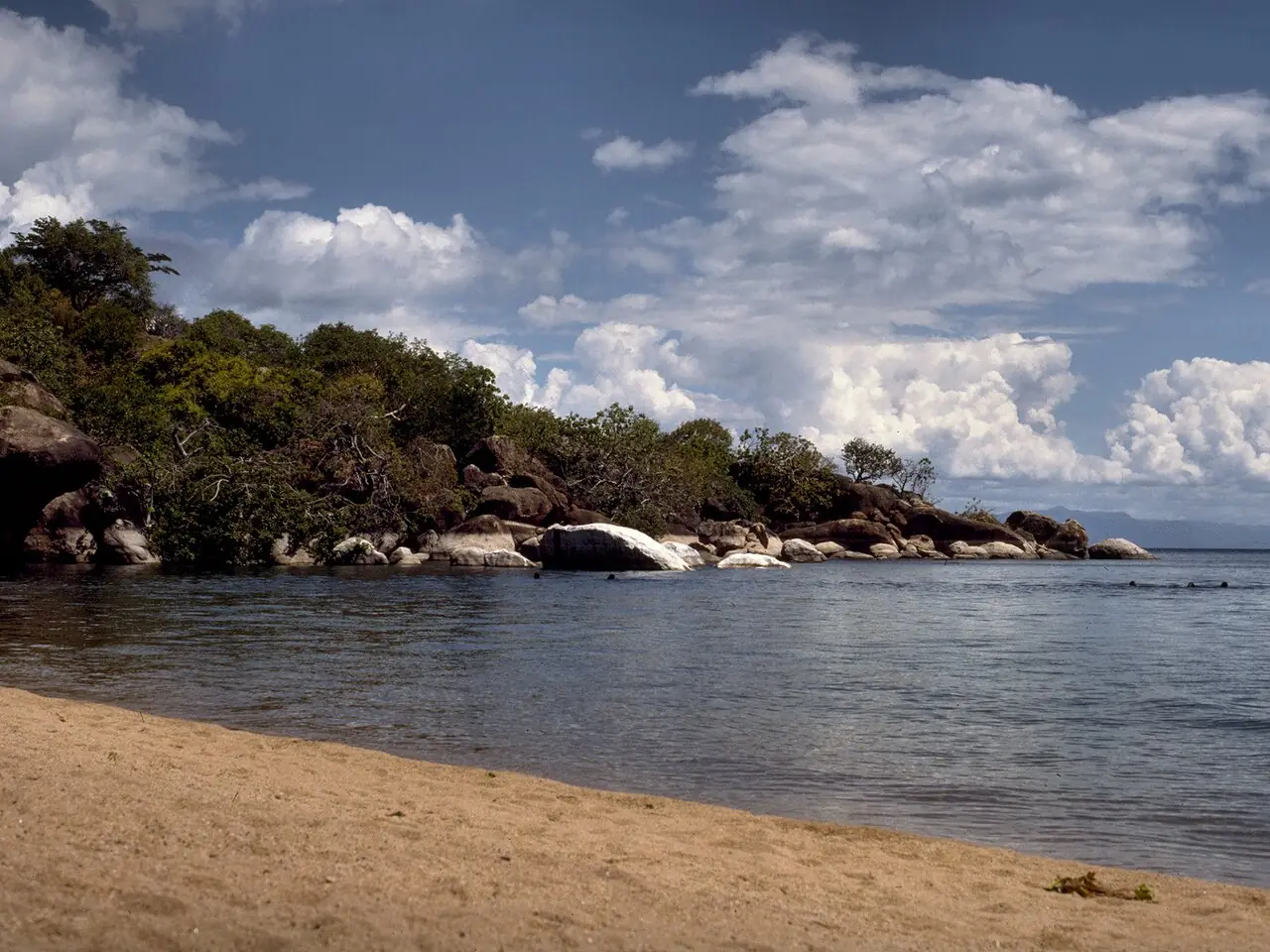 Photo: Hans Hillewaert · CC BY-SA 4.0
 Malawi
 Malawi or Zambia
 Botswana
 Eswatini
 Lesotho
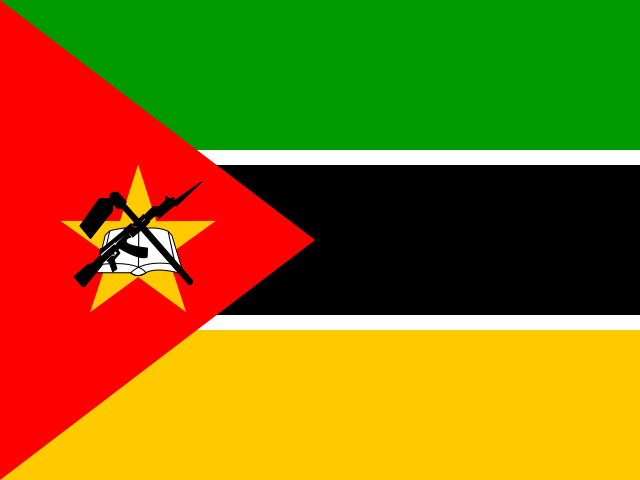 Mozambique
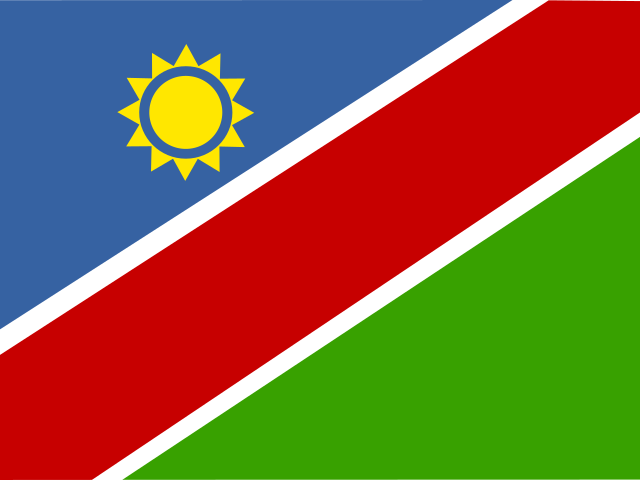 Namibia
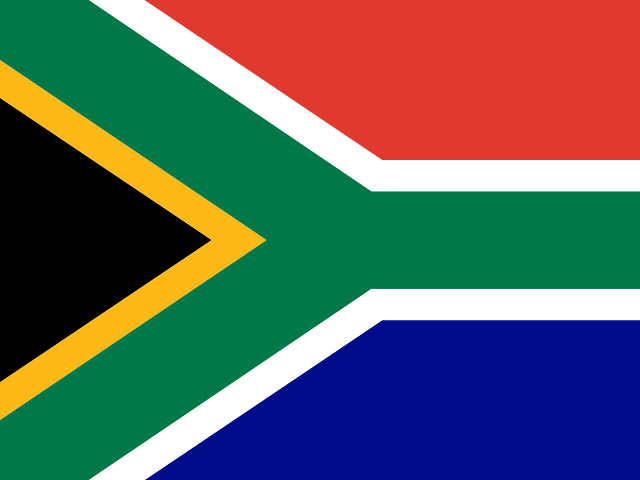 South Africa
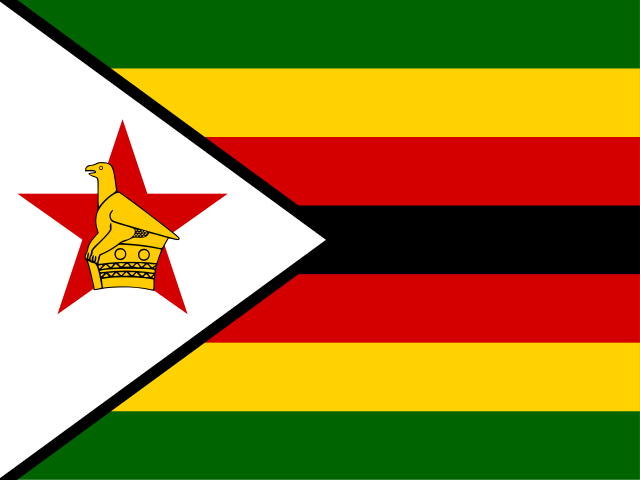 Zimbabwe