 AfriqueUnie
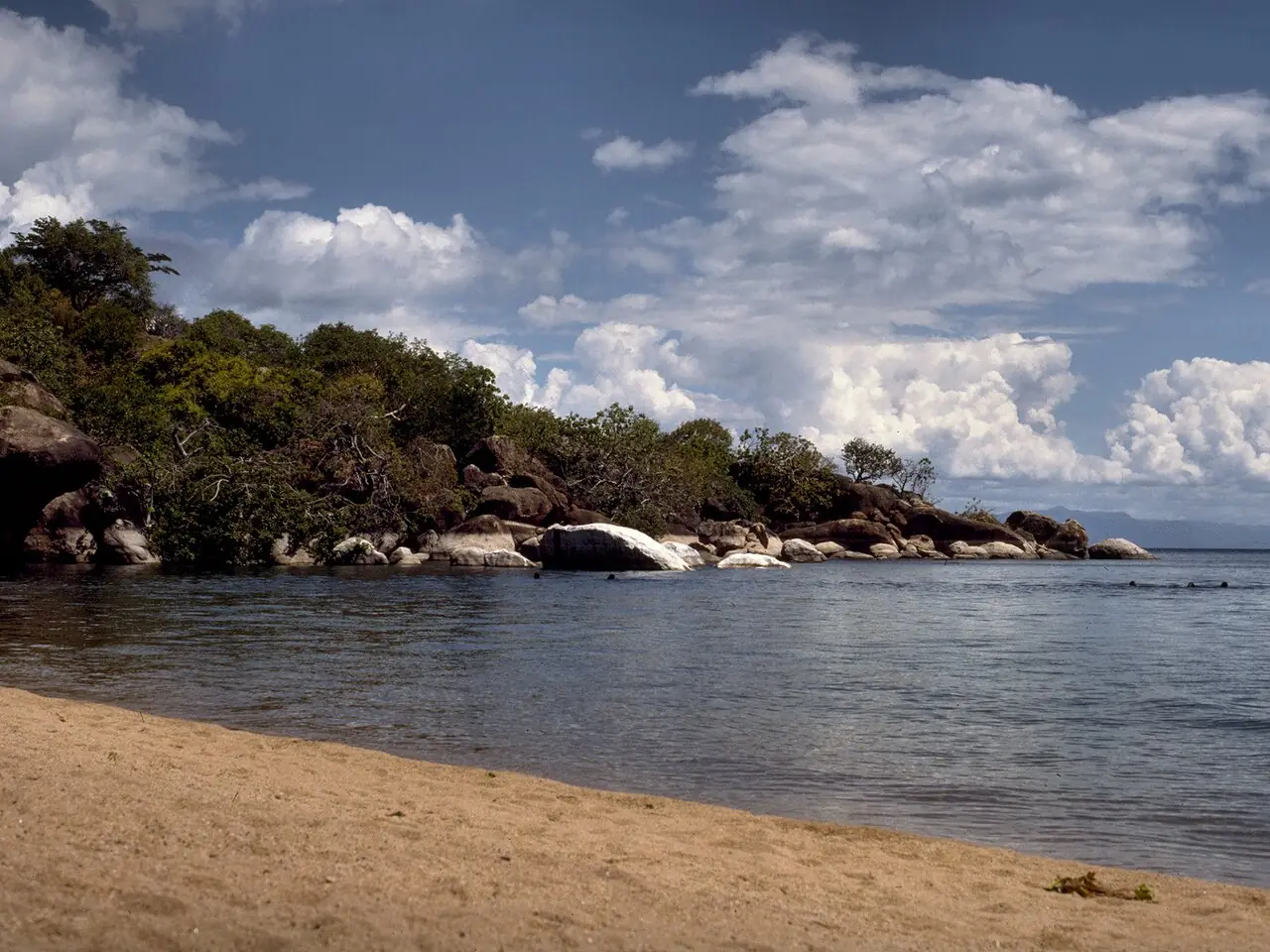 Photo: Hans Hillewaert · CC BY-SA 4.0
Published by Adama Doumbia, founder of Afrique Unie · updated 28 November 2026 · our method and sources
- Day 1
Arrival in Lilongwe
Lilongwe, the capital, is a sprawling, green city, more administrative than touristic, but pleasant for a first night. If you arrive early, visit the Lilongwe Wildlife Centre, which rescues and cares for wild animals in a patch of preserved forest, then wander through the Old Town, around the market and the stalls of craftspeople selling wood carvings and wire objects. Change money or withdraw cash here: ATMs are scarcer further along the route. Fill up the vehicle if you are driving, and check with your driver how fuel is looking for the following days.
- Days 2-4
Lake Malawi at Cape Maclear
Allow four to five hours' drive via Dedza, known for its pottery, then Monkey Bay, to Cape Maclear, a fishing village in the heart of UNESCO-listed Lake Malawi National Park. The lake is home to hundreds of species of brightly coloured cichlid fish, which you can watch with a mask and snorkel around the islands, especially Thumbi West, by kayak or boat. Climb to the viewpoint above the bay, and in the evening watch the fishermen's lights come on across the water. Bilharzia is present in some parts of the lake, especially near reeds and villages: ask locally for advice and talk to your doctor.
- Days 5-6
Boat safaris in Liwonde
Two and a half to three hours' drive takes you to Liwonde National Park, along the Shire River. The park, managed in partnership with a conservation organisation, has seen lions, cheetahs and black rhinos return. The most memorable experience is a boat safari on the river, among hippos, crocodiles and elephants coming down to drink on the banks, with a great variety of birds. Add game drives at sunrise and sunset, and a walk with a ranger. Predator sightings are never guaranteed, but elephants are plentiful.
- Day 7
The Zomba Plateau
About an hour's drive from Liwonde, Zomba was the country's colonial capital: its old town has kept administrative buildings and a colourful market. Above it, the Zomba Plateau rises to nearly 2,000 metres, covered in pine and cedar forest, waterfalls and trout streams. Drive or walk up to the Emperor's View and Queen's View, named after royal visits, or to Chingwe's Hole, from where the view stretches far over the Shire plain on a clear day. Sleep on the plateau to enjoy the cool evening, welcome after the heat of Liwonde. Plateau strawberries are sold by the roadside.
- Days 8-10
Mount Mulanje and the tea plantations
About two and a half hours' drive, via Blantyre, brings you to the foot of Mount Mulanje, a granite massif rising abruptly above a sea of tea plantations. From Likhubula, marked trails climb to the Chambe or Lichenya plateaus, where huts let you sleep at altitude; a licensed guide is compulsory, and bring warm clothes. Sapitwa, the highest point at 3,002 metres, takes two to three days and good fitness. If you prefer to stay below, swim at the foot of the Likhubula waterfalls and visit a tea estate, in Mulanje or Thyolo, for a tasting.
- Day 11
Blantyre, then home
About an hour and a half's drive takes you back to Blantyre, the commercial capital, with international flights from Chileka airport. If your flight is late in the day, visit St Michael and All Angels Church, built at the end of the nineteenth century by Scottish missionaries and local craftsmen without an architect, and Mandala House, the oldest building in the city, now home to a gallery and café. Blantyre market is the place to buy printed chitenje fabric. Leave a margin for the drive to the airport, about half an hour from the centre.
Getting around
The simplest option is a car with a driver for the whole trip, or transfers arranged by the lodges. The main roads are tarred but narrow, with pedestrians, bicycles and livestock on the road; traffic drives on the left and you should never drive at night. For several years the country has faced severe fuel and foreign currency shortages: in 2026, queues at filling stations were still common. Ideally leave the logistics to a local operator and build some slack into your days.
When to do this trip
The dry season, from May to October, is the best: from May to August temperatures are mild and nights cool at altitude, and in September and October wildlife gathers along the Shire River, although the heat rises sharply. The rainy season, from November to April, makes the country very green, but some tracks become difficult and the Mulanje trails slippery.
The travel notebook
The itinerary, practical information (entry, health, money, emergencies) and the checklist in a few pages, to print or keep offline on your phone.
Variations
- In 7 days: keep Cape Maclear, Liwonde and Zomba, and fly home from Blantyre or Lilongwe.
- In 14 days: add the north of the country, the Nyika Plateau and Nkhata Bay, by air or a long drive, or Majete Wildlife Reserve, south of Blantyre, for its Big Five.
- Lake version: add a few days on Likoma Island, by light aircraft or on the Ilala ferry, whose schedule is irregular.