AfriqueUnie
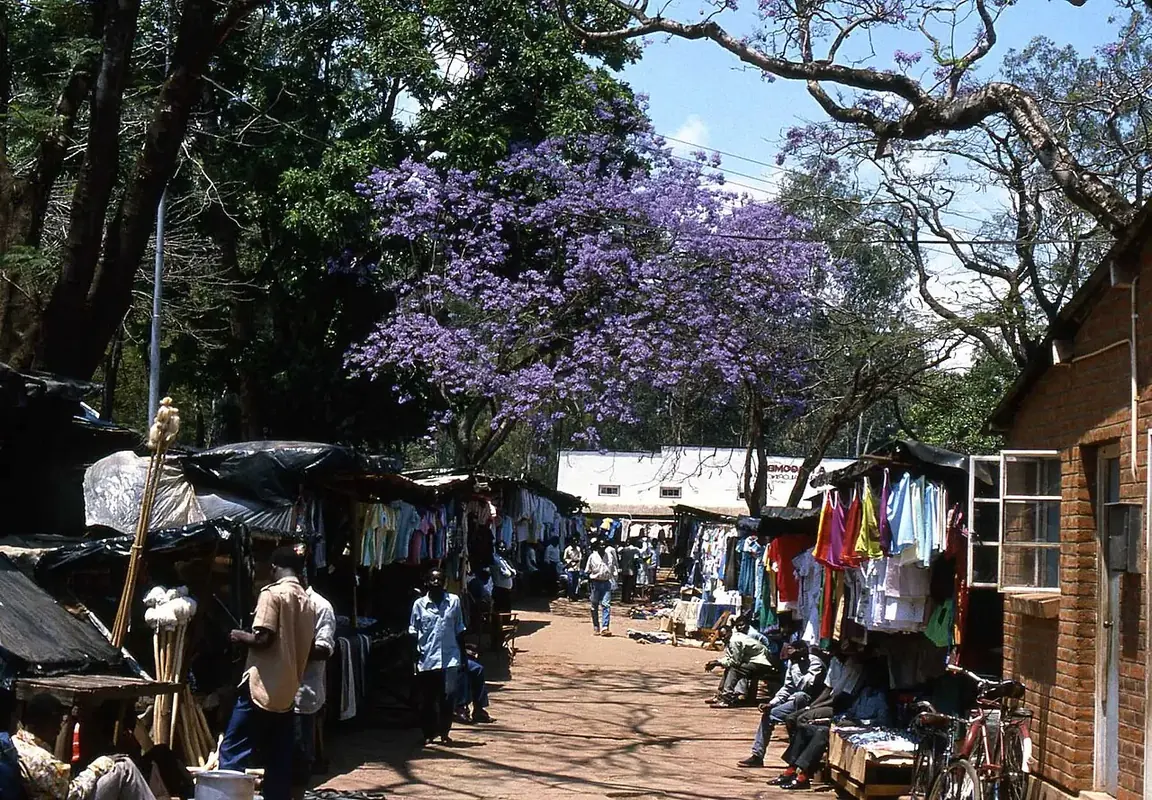 Photo: Kevin.Souza · CC BY-SA 4.0
Published by Adama Doumbia, founder of Afrique Unie · updated 28 November 2026 · our method and sources
Why visit Zomba?
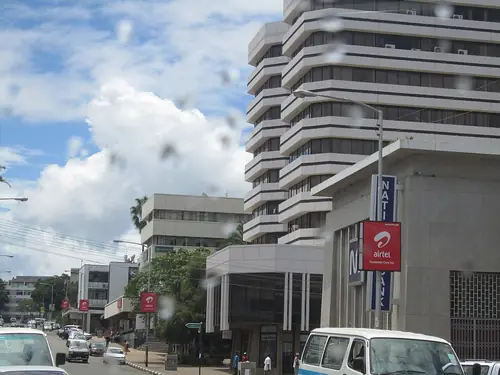
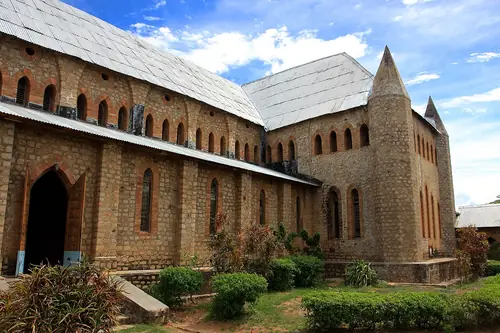
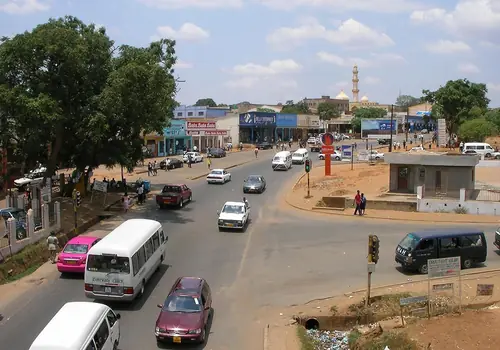
Nestled at the foot of a wooded massif, Zomba was the capital of the British protectorate and then of independent Malawi, until the seat of government moved to Lilongwe in the mid-1970s. What remains is a small university town with an old-fashioned charm, where former government buildings, the old Parliament and colonial houses with verandas hide beneath tall trees. In the centre, the market, one of the liveliest in the country, overflows with fruit, vegetables, dried fish from Lake Chilwa and colourful fabrics.
But it is the Zomba Plateau, rising several hundred metres above the town, that draws travellers. A winding road climbs to a cooler world of pine and cedar forests, waterfalls, trout streams and peaceful dams. Trails lead to famous viewpoints such as Queen's View and Emperor's View, from where, on clear days, you can see as far as Mount Mulanje and the plains of Lake Chilwa. Along the paths, vendors sell strawberries, raspberries and mushrooms depending on the season.
Things to do in Zomba: 6 ideas
- 01The Zomba PlateauHike through forests and highland meadows, on foot, by bike or on horseback.
- 02Queen's View and Emperor's ViewReach these lookouts for a panorama over the plains of southern Malawi.
- 03Chingwe's HoleA long hike, ideally with a guide, to a deep wooded cleft on the edge of the plateau.
- 04Mulunguzi DamPicnic beside the reservoir, surrounded by forest, and watch the birds.
- 05Zomba marketDive into the bustle of one of the finest covered markets in the country.
- 06The colonial heritageWander among the old government buildings and former Parliament, under century-old trees.
Where to stay in Zomba
In town, a few simple hotels and guesthouses lie near the centre and the market, handy for a stopover. Most travellers, however, prefer to head up to the plateau, where a historic hotel, forest lodges and chalets, and campsites offer cool air and direct access to the trails. Nights there are noticeably colder than below. The more residential university area also has a few quiet guesthouses.
Frequently asked questions
How many days should you spend in Zomba?
One or two nights are enough: a day on the plateau for the viewpoints, waterfalls and Mulunguzi Dam, and a morning at the market and in the old town. Add a day for the hike to Chingwe's Hole or a visit to Lake Chilwa.
How do you get up Zomba Plateau?
A narrow, winding mountain road climbs from the town centre to the plateau; by car or taxi allow about half an hour. Walkers can go up on footpaths, ideally with a guide. Avoid coming down after dark, as the road is unlit.
Is Zomba safe?
Zomba is a quiet town, but the French government lists it among tourist spots targeted by thieves, along with markets and bus stations. Keep your documents somewhere safe, do not carry large sums and do not travel outside town at night, on foot or by car. On the plateau, hike with company.
When is the best time to visit Zomba?
From May to October the dry season keeps trails passable and views clear; June and July are cool, with cold nights on the plateau. From November to April the rains fill the waterfalls but make paths slippery and mist more frequent.
What is there to see around Zomba?
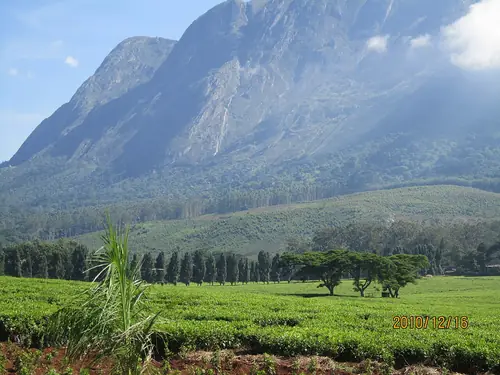
Liwonde National Park, known for its boat safaris on the Shire River, is about an hour's drive away. Lake Chilwa, to the east, has fishing villages and waterbirds, and the Mulanje Massif is a few hours away; for the climb, the French government recommends a local guide whose reliability you have checked. For longer journeys, choose coaches over minibuses, which are often overloaded.
 Malawi