 AfriqueUnie
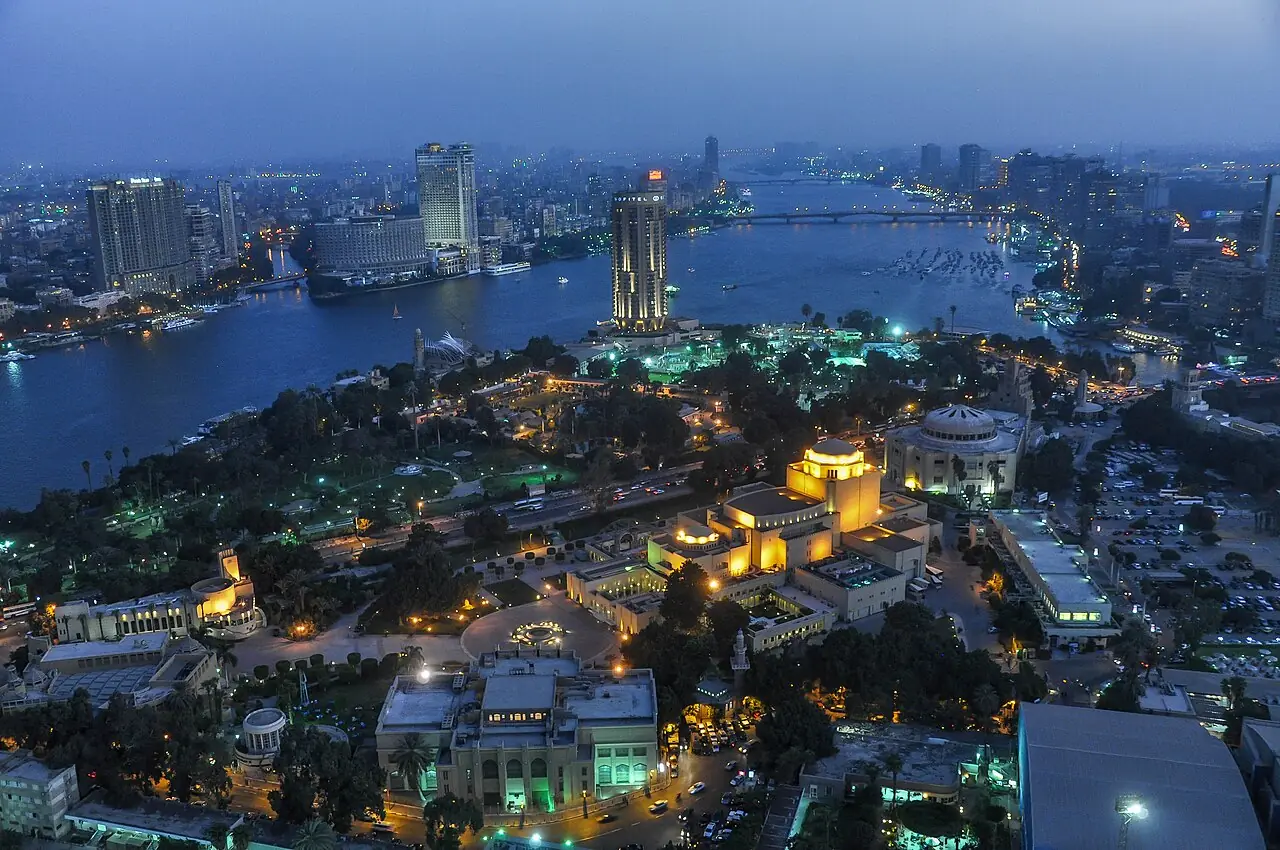 Photo: Jorge Láscar from Melbourne, Australia · CC BY 2.0
Published by Adama Doumbia, founder of Afrique Unie · updated 28 November 2026 · our method and sources
Day 1: The Giza pyramids and the Grand Egyptian Museum
- 01MorningReach the Giza plateau at opening time, ahead of the heat and the tour groups, by ride-hail from the centre: allow forty minutes to over an hour. Walk around the pyramids of Khufu, Khafre and Menkaure, then head down to the Sphinx. Going inside a pyramid requires an extra ticket. Politely decline unsolicited horse or camel rides.
- 02LunchHave lunch near the plateau and try koshari, the national dish of rice, lentils, pasta and chickpeas, or ta'amiya, Egyptian falafel made with fava beans. Drink plenty of water: there is almost no shade on the plateau, and the sun is strong even in winter. Keep small notes handy for tips.
- 03AfternoonHead to the Grand Egyptian Museum, at the entrance to the plateau, a few minutes away by car. Ideally buy your tickets online and allow at least three hours: the Grand Staircase, lined with statues of pharaohs, leads to the chronological galleries, and the Tutankhamun halls display his entire funerary treasure.
- 04EveningRide back to the centre and end the day on the Nile. At sunset, a felucca, the traditional sailing boat, leaves from the Corniche for an hour of peaceful sailing through the heart of the city. The Qasr el-Nil Bridge, with its bronze lions, is also a favourite evening stroll for Cairenes.
Day 2: Islamic Cairo, from the Citadel to the bazaar
- 01MorningStart at Saladin's Citadel at opening time for the alabaster Mosque of Muhammad Ali and views across the whole city. Then walk down to the square below the fortress, where the Sultan Hassan and al-Rifa'i mosques face each other. Cover your arms and legs, take off your shoes, and women should bring a headscarf.
- 02LunchA quarter of an hour's walk away, the Mosque of Ibn Tulun, one of the oldest in the city, has a vast 9th-century courtyard and a minaret with an external staircase. The Gayer-Anderson Museum, an Ottoman house next door, is easy to visit at the same time. Then have koshari or ful for lunch nearby.
- 03AfternoonTake a taxi to al-Azhar Mosque, founded by the Fatimids in the 10th century, then cross over to al-Muizz Street. In the late afternoon, walk north among Mamluk madrasas, mausoleums and fountains as far as the Bab al-Futuh gate. On Fridays, mosques are closed to visitors during the main midday prayer.
- 04EveningCome back to Khan el-Khalili as the bazaar lights up. Browse the lanterns, spices and copperware, haggle at a relaxed pace, then have mint tea or karkadé in a traditional café near al-Hussein Square. Keep your bag closed and in front of you in the crowds, and stay away from any gatherings.
Day 3: Saqqara, Dahshur and Coptic Cairo
- 01MorningLeave around 8am with a driver for Saqqara, about an hour south of the centre. The Step Pyramid of Djoser, Egypt's oldest pyramid, rises over a necropolis of mastabas with vividly coloured reliefs. Carry on to Dahshur, some twenty minutes further, for the Bent Pyramid and the Red Pyramid, which you can go inside.
- 02LunchOn the way back, stop at the open-air museum of Memphis, the ancient capital of the pharaohs, where a colossus of Ramesses II and an alabaster sphinx lie among the palm trees. Have lunch along the way. Dahshur is far less crowded than Giza, and is often the quietest moment of the trip.
- 03AfternoonHead back north to Coptic Cairo, about an hour's drive, inside the old Roman fortress of Babylon. Visit the Hanging Church, the Ben Ezra Synagogue and the Coptic Museum, rich in textiles and icons. The area is served by Mar Girgis metro station, handy if you would rather avoid the traffic.
- 04EveningFor your last evening, wander through Zamalek, on an island in the Nile, among art galleries, bookshops and cafés, or downtown among the Belle Époque façades. If you still have energy, Cairo stays up late: neighbourhood cafés stay open well past midnight over games of backgammon.
Practical tips
- 01Getting aroundThe metro is the fastest way to cross the city and has carriages reserved for women. For Giza, Saqqara and elsewhere, ride-hailing apps or a driver booked through your accommodation are easier than taxis hailed in the street.
- 02Where to stayGreen, quiet Zamalek is ideal for a first visit. Downtown and Garden City are handy for the museums and Islamic Cairo. The Giza area, near the pyramids, lets you reach the plateau as soon as it opens.
- 03When to goFrom October to April, temperatures allow sightseeing at any time of day, with cool evenings in winter. In spring, the khamsin, a sand-laden wind, can blow for a few days. Summer is scorching, so sightsee early in the morning. During Ramadan, opening hours are shorter.
- 04Safety and etiquetteThe French authorities advise vigilance at busy sites and avoiding any gatherings or demonstrations. Never photograph military sites or police officers, ask before photographing anyone, and dress modestly, covering your shoulders and knees, especially in mosques and markets.
Frequently asked questions
Is three days enough for Cairo?
Yes, for the must-sees: the Giza pyramids and the Grand Egyptian Museum, Islamic Cairo and Khan el-Khalili, Saqqara, Dahshur and Coptic Cairo. With a fourth day, add the Egyptian Museum on Tahrir Square or a day trip to Alexandria, about three hours' drive away.
Should you visit the Grand Egyptian Museum or the Tahrir museum?
The Grand Egyptian Museum in Giza is the more spectacular and holds Tutankhamun's treasure, so it is the priority on a first visit. The older Egyptian Museum on Tahrir Square still has remarkable collections in a historic setting and is worth a visit if you are staying longer.
What can you do in Cairo in very hot weather?
It rarely rains in Cairo, but the heat is intense from June to September. Visit Giza and Saqqara as soon as they open, spend the middle of the day in air-conditioned museums, and keep the lanes of Islamic Cairo and the bazaar for the late afternoon and evening, when the city cools down.
Can you visit Cairo on a Friday?
Yes, but plan the day differently: mosques are closed to visitors during the main midday prayer, and some shopping streets are quiet in the morning. It is, however, a good day for the pyramids or museums, as traffic is often lighter than on weekdays.