AfriqueUnie
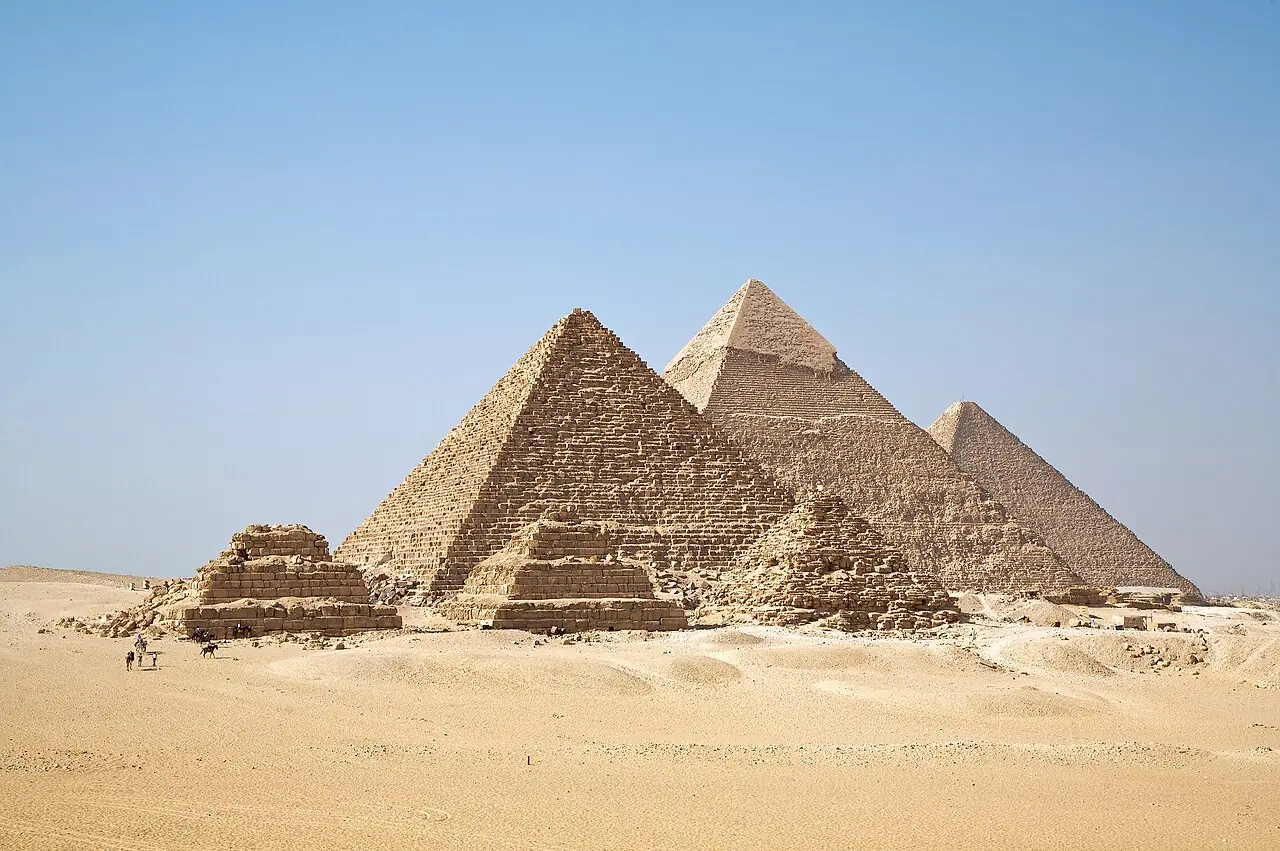 Photo: Ricardo Liberato · CC BY-SA 2.0
Published by Adama Doumbia, founder of Afrique Unie · updated 28 November 2026 · our method and sources
Daily budget
These are rough figures per person per day, excluding the international flight. They cover accommodation (two people sharing a room), meals, local transport and visits.
On a tight budget, allow roughly €30 to €55, staying in small hotels, eating street food, travelling by train and bus, and limiting the number of paid sites. For a comfortable trip, allow about €80 to €150, with a good hotel, guides, transfers and most of the major sites. At the top end, allow €250 or more, particularly for a Nile cruise in a superior cabin or a private tour with an Egyptologist.
The Egyptian pound has moved a great deal in recent years, so local-currency prices change quickly.
What is expensive and what costs next to nothing
- Accommodation: A wide choice at every price in Cairo, Luxor and Aswan. Hotels with a view of the pyramids or the Nile cost noticeably more.
- Local meals: Koshari, falafel or a simple dish costs very little. Hotel restaurants charge close to European prices.
- Transport: The Cairo metro, trains and buses are cheap. Domestic flights and cars with drivers push the total up.
- Ancient sites: The cost not to underestimate: every site, and sometimes every tomb, has its own ticket, with a price for foreigners. Prices are revised regularly. Check the Ministry of Tourism and Antiquities website, egymonuments.gov.eg, before doing your sums.
- Cruises and diving: A Nile cruise or a Red Sea diving holiday is booked as a package. Compare what is included: visits, guide, tips.
Money: pounds, cards and baksheesh
The currency is the Egyptian pound (EGP). Cash machines are common in cities and tourist areas. Euros, sterling and dollars are easily changed at banks and official exchange offices.
For several years, state-run sites have increasingly taken payment by card, sometimes exclusively. Bring a card that works abroad, plus cash for taxis, markets and small shops.
Tipping, or baksheesh, is part of daily life: site attendants, porters, drivers, cruise staff. Keep a stock of small notes. In restaurants, leave around 10% if service is not included.
Visa and passport
Information checked in November 2026. These rules can change: read the official sources again before you travel.
A visa is compulsory. British and French nationals can get one on arrival at international airports, or online before travelling through the official portal, visa2egypt.gov.eg. A tourist visa on arrival is valid for 30 days; the UK government says tourist e-visas are valid for up to three months.
Price: the UK government quotes 30 US dollars for the visa on arrival, paid in cash, and, since August 2026 at Cairo airport, a digital visa on arrival payable by card for 36 dollars including a service fee. For the e-visa, figures published by secondary sources differ (25 or 30 dollars): rely on the price shown on the official portal, and be wary of intermediary websites.
Passport: it must be valid for at least six months, counted from arrival according to the UK and from your return according to the French foreign ministry, and the UK asks for at least one blank page. The French ministry says French citizens may also enter on a national identity card valid for at least six months after their return date, bringing two passport photos for the visa; the visa cannot then be extended. A passport remains the safer choice, and your airline may insist on one.
Exception: for a stay of up to 15 days confined to the Sinai resorts (Sharm El-Sheikh, Dahab, Nuweiba, Taba), a free entry stamp replaces the visa. Belgian, Swiss, Canadian and other European travellers generally come under the same arrangements: check on the official portal.
Health and vaccinations
There is no yellow fever in Egypt. A vaccination certificate is required only if you arrive from a country where the disease is present, or have spent more than twelve hours in transit there. Malaria is not a concern on a standard tourist trip.
Check your routine vaccines; hepatitis A and typhoid are often advised. The everyday risks are heat, dehydration and stomach upsets: drink sealed bottled water. Avoid swimming in the Nile and canals. For any medication, see your GP or a travel clinic, and travel insured.
Before you go: the checklist
- Passport: At least six months' validity and one blank page.
- Visa: Apply online at visa2egypt.gov.eg a few days ahead, or bring dollars in cash for the visa on arrival.
- Official sources: The Egypt page on gov.uk/foreign-travel-advice and the Égypte page of « Conseils aux voyageurs » on diplomatie.gouv.fr: some regions are advised against.
- Site tickets: Check prices and payment methods on egymonuments.gov.eg.
- Insurance: Medical costs and repatriation.
- Card and cash: A bank card for the sites, small notes for tips.