 AfriqueUnie
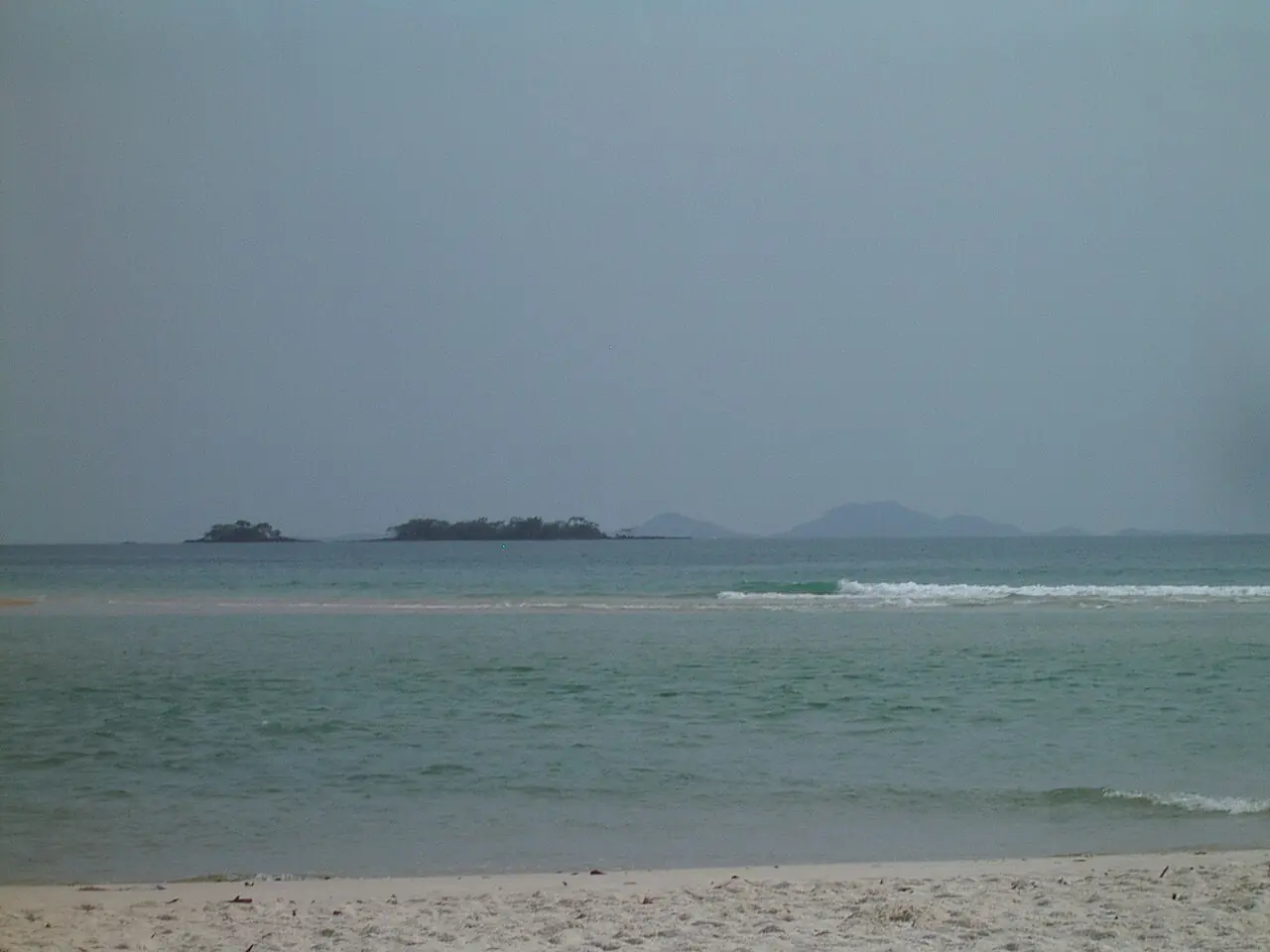 Photo: Christian Trede · Attribution
Published by Adama Doumbia, founder of Afrique Unie · updated 28 November 2026 · our method and sources
Why go
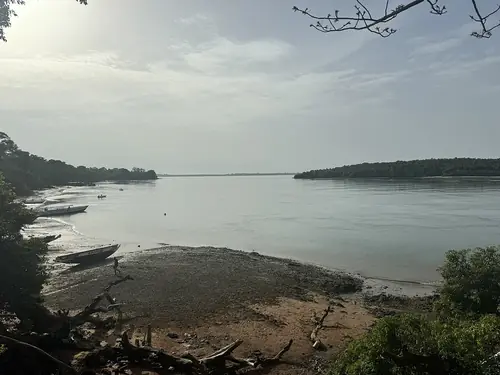
At the southern tip of the Freetown Peninsula, the Banana Islands form a small archipelago of three islands, two of them inhabited, where time seems to slow down. No cars, paths between mango trees, fishing villages and sandy coves framed by rocks: it's the ideal place to escape the bustle of the capital.
The islands also have a heavy past. They were a slave-trading post and then, in the 19th century, took in freed slaves; in the village of Dublin you'll find the ruins of an old church, old cannons and colonial graves. Today people come mainly for snorkelling around the rocks, fishing, walks between Dublin and Ricketts and fish suppers by lamplight. The few inhabitants live mostly from fishing and are happy to take visitors out line fishing or on a walk to the ocean viewpoints.
Getting there
The islands are reached by boat from the village of Kent, at the end of the peninsula, about two hours' drive from Freetown by car with a driver (the French and UK governments advise against taxis, minibuses, kekes and motorbike taxis). The UK government also advises against unregulated boats such as wooden pirogues without lights or safety equipment, so choose a properly equipped boat and insist on a life jacket. The crossing takes twenty minutes to half an hour depending on the sea. Accommodation often arranges the transfer.
Frequently asked questions
How do I get to the Banana Islands from Freetown?
First head by car with a driver to the village of Kent, at the tip of the peninsula, about two hours by road from Freetown, then cross by boat in 20 to 30 minutes depending on the sea. Accommodation often arranges the transfer. The UK government advises against unregulated boats such as wooden pirogues without lights or safety equipment, so choose a properly equipped boat, insist on a life jacket and do not cross in rough seas.
How many Banana Islands are there, and which are inhabited?
The archipelago has three islands. Dublin and Ricketts, linked by a stone causeway, are inhabited; Mes-Meheux, the smallest, is uninhabited. Dublin is known for its beaches and Ricketts for its forests.
What is there to do on the Banana Islands?
Snorkelling around the rocks, fishing with local people, walks between Dublin and Ricketts and fish dinners by lamplight. In Dublin you can see the ruins of an old church, old cannons and colonial graves. One or two nights on the islands let you make the most of them.
Is it safe to swim on the Banana Islands?
The sheltered coves are good for swimming, but no beach in Sierra Leone has lifeguards and currents can be strong. Ask local people before swimming and stay close to the shore. For water sports, always ask for a life jacket.
What should you bring to the Banana Islands?
Cash, your own mask and snorkel if possible, sun protection and water, as some coves have little shade. Facilities are limited, so a head torch is handy in the evening. Go in the dry season, from November to April, for calm seas and clear water.
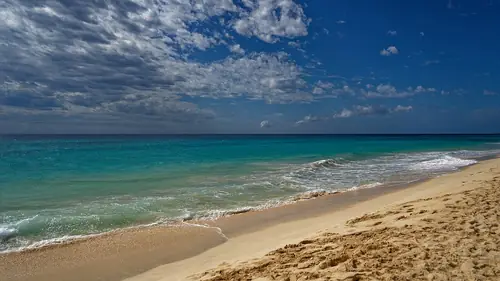
 Cape Verde
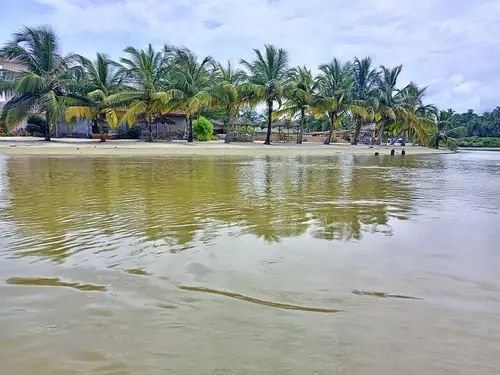
 Côte d'Ivoire
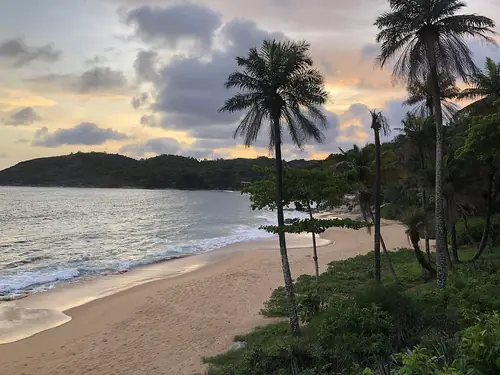
 Guinea
 Guinea-Bissau