 AfriqueUnie
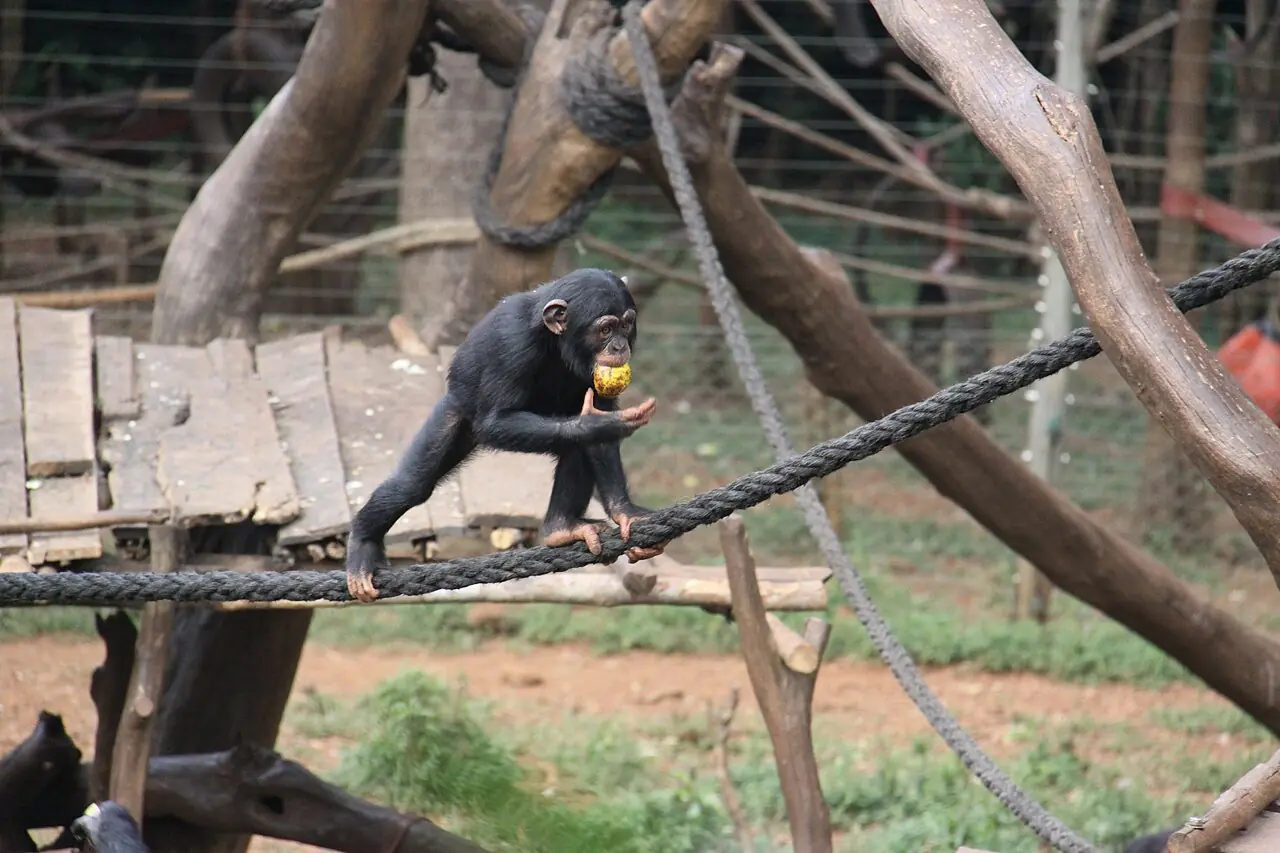 Photo: BigMikeSndTech · CC BY 2.0
Published by Adama Doumbia, founder of Afrique Unie · updated 28 November 2026 · our method and sources
- Days 1-2
Arrival across the estuary and Freetown
The international airport is at Lungi, on the other side of the estuary: the quickest way across is by water taxi, which reaches Freetown in thirty to forty minutes, while the public ferry takes about an hour. The next day, take a boat to Bunce Island, around thirty kilometres upstream on the Sierra Leone River: the ruins of the British fort, from which thousands of captives were shipped to the Americas, can be visited with a guide. Back in town, stop at the National Railway Museum, which tells the story of the old railway, then end the day on Lumley Beach, but do not walk there after dark.
- Day 3
The chimpanzees of Tacugama
Head up early into the wooded hills above Freetown, in the heart of the Western Area Peninsula National Park, to reach Tacugama Chimpanzee Sanctuary, founded in 1995. It takes in orphaned or confiscated chimpanzees, victims of poaching and the illegal pet trade, with a view to their rehabilitation. The guided tour, which must be booked, lets you watch them in large forest enclosures and learn about efforts to protect the species, a national emblem. Hiking trails also lead into the surrounding forest. In the afternoon, drive down to the south coast of the peninsula, about an hour away, and settle in at River No. 2 Beach.
- Days 4-5
River No. 2, Tokeh and Bureh
Take time to enjoy the coast, one of the most beautiful in West Africa. At River No. 2, a river runs down from the mountains into a bay of white sand; hire a canoe to paddle upstream through the mangroves to a small waterfall. On day 5, follow the coast south to Tokeh and then Bureh, a beach known for its surf, where you can take a lesson with instructors from the village. The beaches are safe to visit during the day, but they have no lifeguards and the currents can be dangerous, so ask locally before swimming. Stick to daytime travel on the peninsula road.
- Days 6-7
The Banana Islands
Drive to Kent, at the southern tip of the peninsula, where a motorised canoe takes around half an hour to reach Dublin, the largest of the Banana Islands. The archipelago, which also includes Ricketts and Mes-Meheux, has kept a few relics of the colonial era and the slave trade, such as an old church and rusting cannons. People come here mainly for the peace: fishing villages, empty coves and clear water. Walk around Dublin and Ricketts, crossing the forest, then go snorkelling over the rocks. Check that there are life jackets on the boat, and be back before dark.
- Day 8
Back to Freetown and departure
Return by canoe to Kent, then drive back up the peninsula road to Freetown, allowing an hour and a half to two hours depending on traffic, which is often heavy on the way into the city. Leave plenty of time for the crossing to Lungi airport: check the water taxi times, which determine when you need to leave Freetown. If your flight leaves early in the morning, it is better to spend the last night in Freetown, or even in Lungi. If you have time, pick up some batik and tie-dyed fabrics, a speciality of the country.
Getting around
Hire a car with a driver for the peninsula: roads are narrow, rarely lit, and you should avoid driving at night outside the city. The French government strongly advises against motorbike taxis, tricycles and shared transport because of the high number of accidents. Between Lungi airport and Freetown, water taxis are the fastest option. For the Banana Islands and Bunce Island, crossings are made by canoe or motorboat, arranged from Kent or Freetown.
When to do this trip
The best time to go is from November to April, during the dry season, with the most comfortable conditions from December to March. Early November can still be wet. From December to February, the harmattan can reduce visibility. From May to October, the rains are among the heaviest in West Africa, with a risk of flooding and landslides in Freetown, and boat crossings become less safe.
The travel notebook
The itinerary, practical information (entry, health, money, emergencies) and the checklist in a few pages, to print or keep offline on your phone.
Variations
- In 5 days: stay on the peninsula, with Freetown, Tacugama and two nights at River No. 2, without the Banana Islands.
- In 12 days: add Tasso Island and the Sierra Leone River estuary, two more nights on the beaches of Tokeh and Bureh, and a hike up Sugar Loaf above Freetown.
- Beach version: drop Bunce Island and split your nights between River No. 2, Bureh and the Banana Islands for a more relaxed seaside stay.