AfriqueUnie
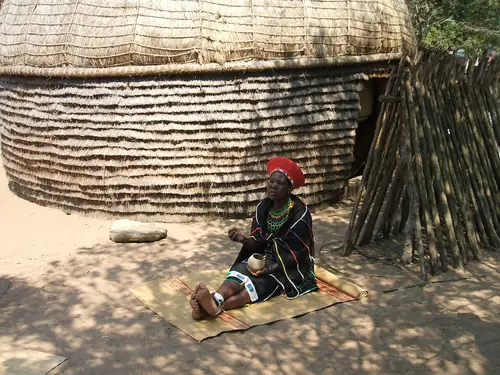
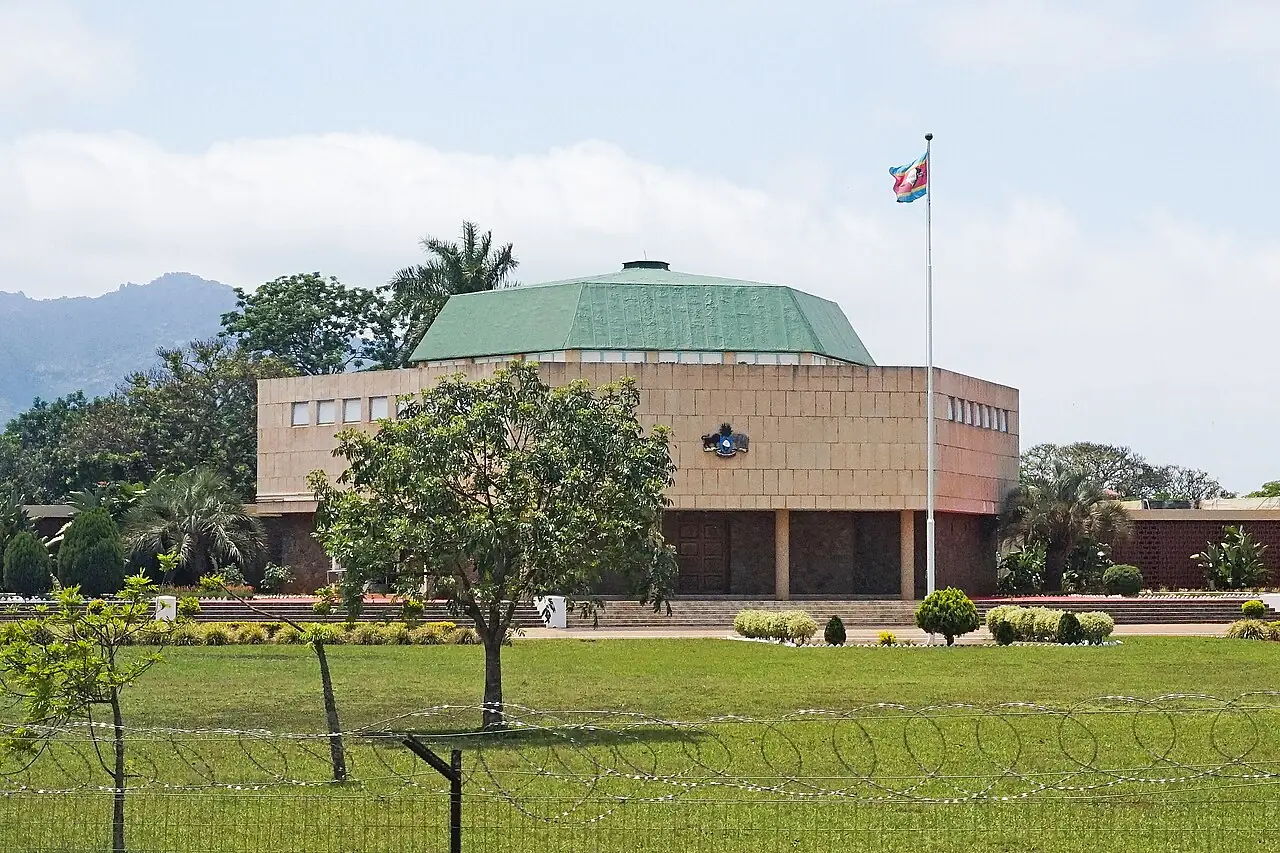 Photo: Bernard Gagnon · CC BY-SA 4.0
Published by Adama Doumbia, founder of Afrique Unie · updated 28 November 2026 · our method and sources
Why visit Lobamba?
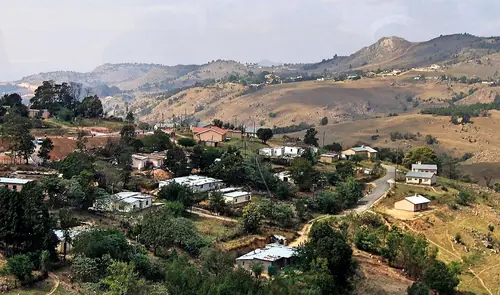
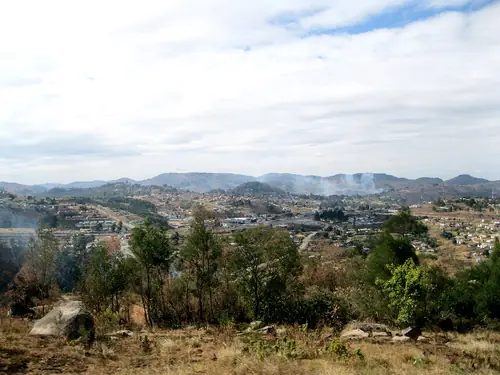
Lobamba is not a town in the usual sense: it is a scattered collection of official buildings, royal residences and villages on the floor of the Ezulwini Valley. Yet this is where the symbolic heart of the kingdom beats. Parliament sits here, the National Museum presents Swazi history and traditions, and the royal residence of Ludzidzini hosts the great national ceremonies.
Visitors in a hurry might drive straight through. That would be a shame, because Lobamba holds the keys to understanding the country. The King Sobhuza II Memorial Park traces the life of the monarch who led the country to independence, and the museum displays costumes, shields, everyday objects and historical photographs that shed light on the role of the monarchy and the chieftaincies.
During Umhlanga, in late August or early September, the valley is transformed. Processions of young women in beads and colourful pompoms converge on Ludzidzini, families settle in along the roadsides, and the air rings with song. The rest of the year Lobamba returns to rural calm, with cows by the roadside and the outline of the mountains behind.
Things to do in Lobamba: 6 ideas
- 01National MuseumA clear introduction to Swazi culture, from royal ceremonies to everyday objects, with an enclosure of traditional huts.
- 02King Sobhuza II Memorial ParkA memorial to the king of independence, with documents and personal belongings.
- 03Mantenga Cultural VillageA few minutes away, traditional dancing and a waterfall in a wooded reserve.
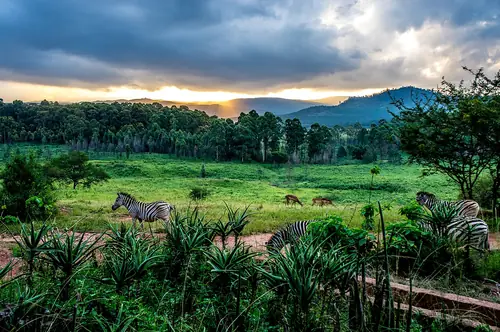
- 04Mlilwane reserveClose by, for a walk, bike ride or horse ride among the zebras.
- 05Ezulwini craft marketsAlong the main road, stalls of basketry, batiks and carvings.
- 06Malkerns ValleyTwenty minutes or so to the south, craft workshops and country cafés.
Where to stay in Lobamba
You don't really stay in Lobamba itself, but in the surrounding Ezulwini Valley. Along the main road you will find hotels across the price range, lodges and guesthouses; a little further off, the huts and chalets of the Mlilwane reserve offer a bush atmosphere just a stone's throw from the cultural sites. To the south, the Malkerns Valley has quieter guest farms and cottages, popular during the Bushfire festival. During Umhlanga, book well in advance: the whole valley is full.
Frequently asked questions
When is the Umhlanga held in Lobamba?
The Reed Dance takes place in late August or early September at Ludzidzini, but the exact dates are set each year according to the traditional calendar and announced fairly late. Check with the Eswatini tourism authority and book accommodation as soon as they are known. Visitors can watch the main dance days.
Can you photograph the royal ceremonies?
Only within the rules set on site: the surroundings of the royal residences are guarded, and during the Umhlanga or the Incwala, the royal ceremony held in December and January, some parts may not be photographed. Ask the organisers or the tourism authority, and always ask before photographing participants.
How long does it take to visit Lobamba?
Half a day is enough for the National Museum, the King Sobhuza II Memorial Park and the area around Parliament. A full day lets you add the nearby Mantenga Cultural Village and an outing to Mlilwane.
How do you get to Lobamba?
Lobamba lies at the far end of the Ezulwini Valley, about 20 minutes from Mbabane and roughly half an hour from Manzini. The easiest way is a hire car or a driver recommended by your accommodation, in daylight only. Local minibuses are often overcrowded and poorly maintained.
Are Lobamba and the Ezulwini Valley safe?
The valley is calm and Eswatini is considered generally safe, but the French government keeps the whole country under heightened vigilance. Do not drive at night, keep car doors locked and, during the major ceremonies, watch your belongings in the crowds and follow police instructions.
 Eswatini