 AfriqueUnie
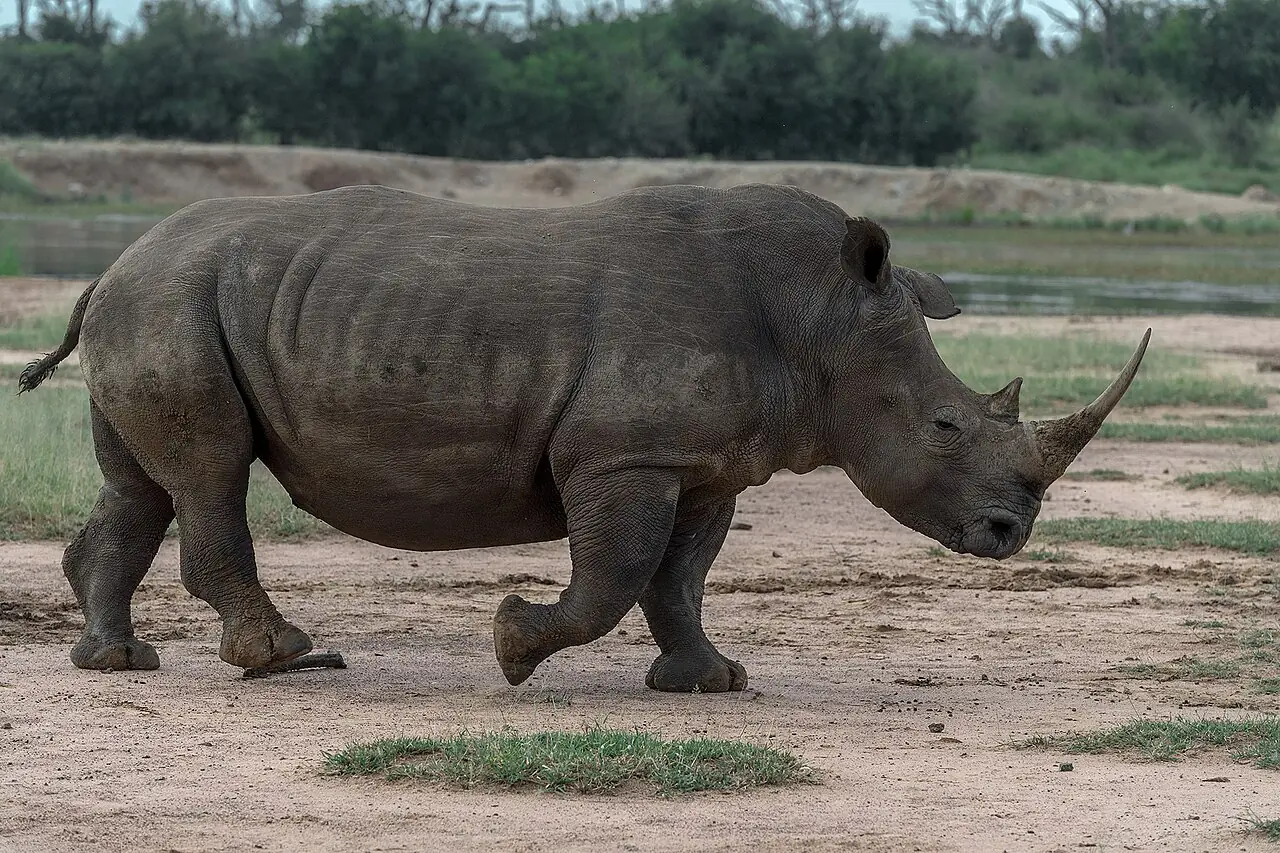 Photo: 總統府 · CC BY 2.0
Published by Adama Doumbia, founder of Afrique Unie · updated 28 November 2026 · our method and sources
- Days 1-2
Safari in Hlane Royal National Park
King Mswati III International Airport lies in the east of the country, at Sikhuphe, close to Hlane Royal National Park: allow about an hour's drive. A former royal hunting ground, Hlane is the country's largest protected area. Settle into the main camp, where white rhinos often come to drink at the waterhole late in the day. The next morning, set off early on a guided game drive: the lion and elephant area can only be visited in park vehicles. The park is also home to giraffes, zebras and a very high density of nesting vultures. In the afternoon, a walk with a ranger offers another way to experience the bush. Follow the rules and never leave the vehicle without permission.
- Day 3
Via Manzini to Mantenga Cultural Village
Take the road west to Manzini, about an hour from Hlane, and stop at its large market for crafts, woven baskets and fruit. Continue to the Ezulwini Valley, the Valley of Heaven, in under half an hour. In the afternoon, visit Mantenga Cultural Village, a reconstruction of a traditional nineteenth-century Swazi homestead with its beehive huts. The song and dance performances, often held in the late morning and mid-afternoon, are one of the highlights of the trip: check the times locally. A short trail then leads to Mantenga Falls, in the same reserve. Spend the night in the valley, from where everything else is within easy reach.
- Day 4
On foot, by bike or on horseback in Mlilwane
Mlilwane Wildlife Sanctuary, the country's oldest protected area, lies in the heart of the Ezulwini Valley. With no large predators, it can be explored freely on foot, by mountain bike or on horseback, a rare experience in southern Africa. Zebras, wildebeest, impalas and warthogs graze on the southern grasslands, while hippos and crocodiles share the pool near the rest camp. Keen walkers can climb Nyonyane Mountain, whose summit offers a wide view over the valley; the northern part of the sanctuary is only open on guided trails. Bring a hat and water, and set off early in summer, before the afternoon thunderstorms.
- Day 5
Lobamba, the royal heart, and Mbabane
Lobamba, the royal and legislative capital, is just a few minutes from the valley. Visit the National Museum, which covers Swazi history and traditions, then the King Sobhuza II Memorial Park, honouring the king who led the country to independence in 1968. Lobamba is also where the great royal ceremonies take place: Umhlanga, the Reed Dance, at the end of the southern winter, around August or September, and Incwala, around December or January. Dates change every year and some parts may not be photographed. In the afternoon, drive up to Mbabane, the administrative capital, then climb Sibebe Rock, a huge granite dome, with a guide.
- Days 6-7
Hiking in Malolotja Nature Reserve
About forty minutes north-west of Mbabane, Malolotja Nature Reserve protects grassy mountains, forested ravines and waterfalls, including the highest in the country. The trails, from an hour to several days, suit all levels: ask for advice at the reception office and register your route. The cool, often misty landscape is a complete change from the Hlane bush. On the second day, visit Ngwenya Mine at the southern entrance, considered one of the oldest known mines in the world, where haematite was dug tens of thousands of years ago, then a nearby recycled glass workshop. Pack warm clothes: nights are cold at altitude.
- Day 8
Back to the airport and departure
Allow two to two and a half hours' drive from Malolotja to the international airport, via Mbabane and Manzini, on the country's main road. Leave early to arrive well before your flight, and do not plan any driving after dark. If your plane leaves in the afternoon, make a last stop at a craft centre in the Ezulwini Valley for the carved candles, baskets and printed fabrics the country is known for. Travellers who arrived by road from South Africa or Mozambique can also leave through one of the border posts: check their opening hours, which are often limited, and the rules for hire cars.
Getting around
A hire car is essential to follow this route at your own pace; traffic drives on the left and the main roads are in good condition. Many travellers rent their vehicle in South Africa: if so, make sure the insurance and paperwork cover the border crossing. Never drive at night, because of animals on the road and the behaviour of some drivers. Violent car thefts are reported on the main roads to South Africa and Mozambique, so drive with doors locked and windows closed. Shared minibuses exist but do not serve the reserves.
When to do this trip
The best time is from May to September, during the dry southern winter: sunny days, thinner vegetation and animals gathered around the waterholes in Hlane. Nights can be cool, or even cold in Malolotja. From October to April, summer brings heat, lush green landscapes and often violent late-afternoon thunderstorms, as well as fog in the mountains. To attend Umhlanga, aim for late August or early September, checking the dates announced each year.
The travel notebook
The itinerary, practical information (entry, health, money, emergencies) and the checklist in a few pages, to print or keep offline on your phone.
Variations
- In 6 days: drop Malolotja and spend just one night in Hlane, keeping the Ezulwini Valley as your base.
- In 10 days: add Mlawula Nature Reserve, in the Lubombo Mountains near Hlane, and a night in a private reserve in the south-east known for its black rhinos.
- As a combination: Eswatini pairs easily with Kruger National Park in South Africa or the beaches of southern Mozambique, both reachable by road.