AfriqueUnie
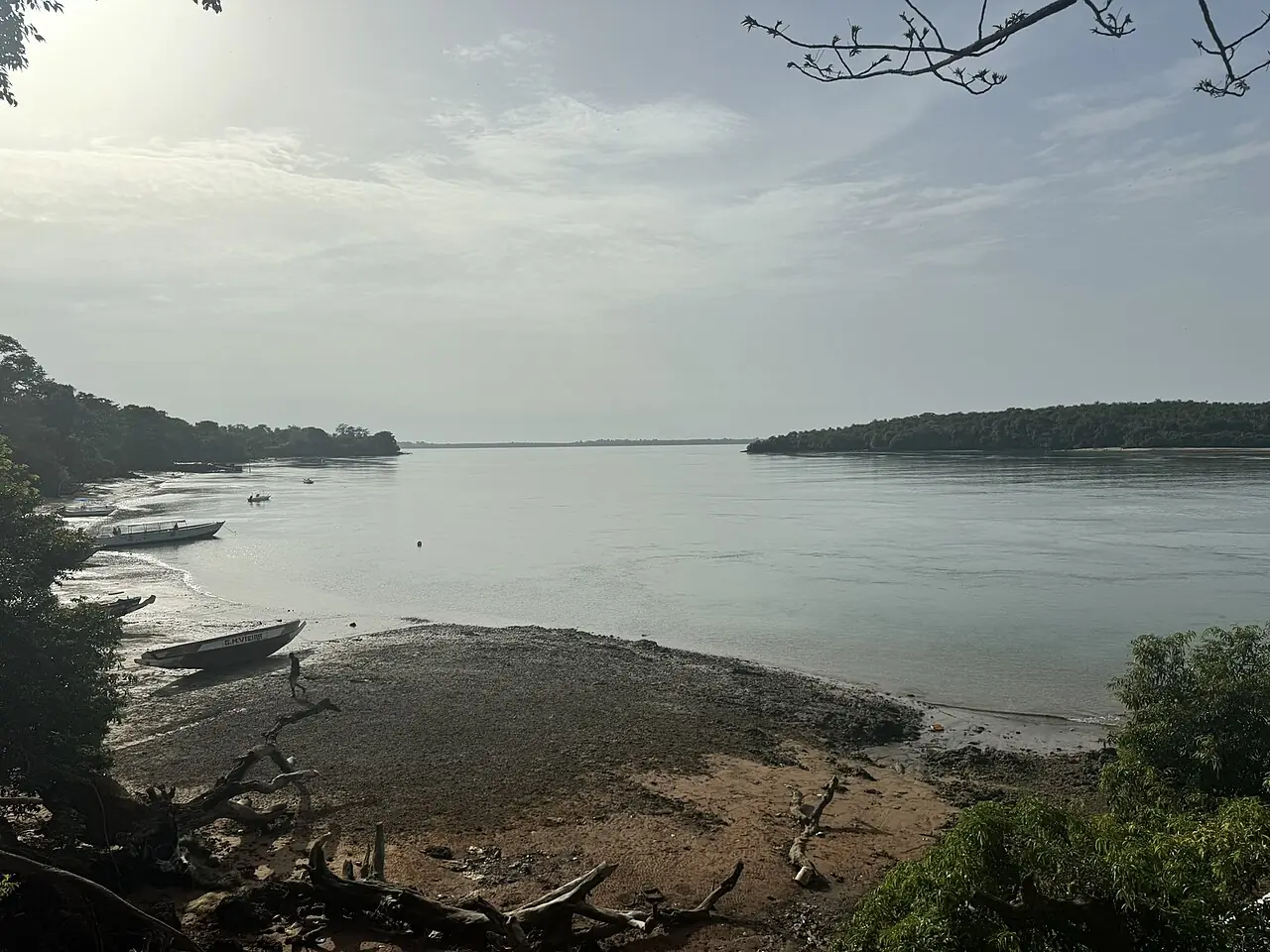 Photo: Mooonswimmer · CC BY-SA 4.0
Published by Adama Doumbia, founder of Afrique Unie · updated 28 November 2026 · our method and sources
Why are these countries overlooked?
Many welcoming African countries stay off the classic circuits for reasons that have nothing to do with their beauty. Direct flights are rare, accommodation is limited and tourism marketing is almost non-existent next to the big safari and beach destinations.
Others suffer from an image inherited from the past, like Sierra Leone, whose civil war ended in the early 2000s, or from a language few travellers speak, such as Portuguese in São Tomé and Príncipe and Guinea-Bissau. Some are simply overshadowed by a famous neighbour: Lesotho and Eswatini live in the shadow of South Africa.
We have only included countries where the areas described here are neither red nor orange on France Diplomatie's map nor advised against by the UK Foreign, Commonwealth & Development Office (FCDO), based on the advice pages checked in November 2026. Advice changes, so always read it again before you book.
Guinea-Bissau: the wild Bijagós Islands
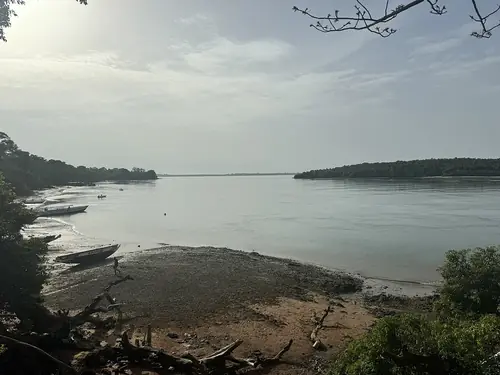
A small Portuguese-speaking country squeezed between Senegal and Guinea, Guinea-Bissau charms with its easy-going pace and above all with the Bijagós, one of Africa's most unspoilt archipelagos. Mangroves, empty beaches and island villages make for a slow journey set to the rhythm of the tides.
Best time to go: November to April, in the dry season. You fly into Bissau and reach the islands by boat. Avoid the road from Casamance: France Diplomatie advises against all but essential travel to the border area with Senegal.
Safety: outside that border strip, the country is at the 'increased vigilance' level. Elections are scheduled for 6 December 2026, so avoid gatherings, especially in central Bissau.
- Bijagós (Bissagos) Islands: 88 islands forming a biosphere reserve, home to saltwater hippos and sea turtles.
- Orango National Park: Lagoons and hippos that swim in the sea, in the south of the archipelago.
- Bolama: A former island capital whose colonial buildings are slowly being reclaimed by vegetation.
- Bissau: A quiet capital with faded charm and the old Bissau Velho quarter.
Sierra Leone: beaches and primate forests
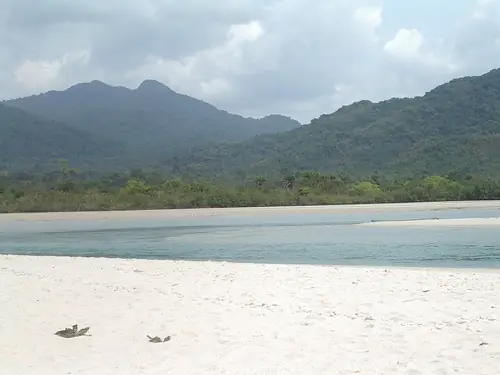
Sierra Leone has some of West Africa's finest beaches, especially on the Freetown peninsula, as well as forests full of chimpanzees and pygmy hippos. The country has changed profoundly since the end of the civil war, and France Diplomatie says it is now possible to travel throughout the country, except near the Liberian border.
Best time to go: November to April. Lungi International Airport lies across a wide estuary from Freetown: according to the FCDO, the water taxi takes 30 to 45 minutes, compared with around three hours by road. Since 22 October 2026, online registration on the National Public Health Agency (NPHA) portal has been mandatory before any flight to Sierra Leone; according to the FCDO, the declaration is also required when leaving the country.
Safety: France Diplomatie advises against all but essential travel to the border area with Liberia; the rest of the country is at the increased vigilance level. In Freetown, avoid walking alone at night.
- River No. 2 Beach: White sand and a turquoise lagoon on the Freetown peninsula.
- Tacugama Chimpanzee Sanctuary: A chimpanzee refuge in the hills above the capital.
- Tiwai Island: A river reserve with a remarkable density of primates.
- Banana Islands: Snorkelling, coves and historic remains off the peninsula.
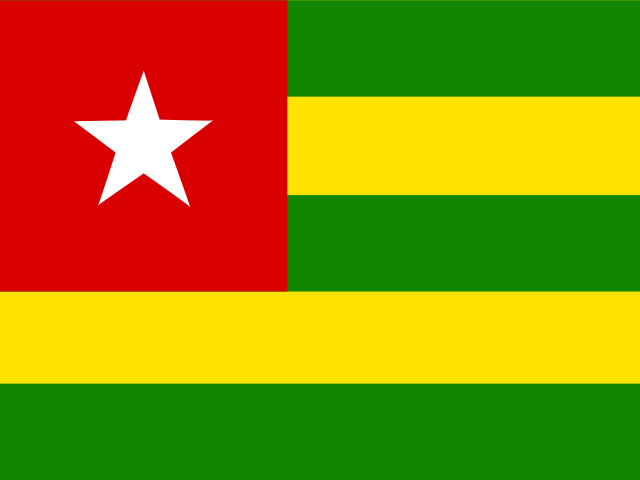
Togo: West Africa in miniature
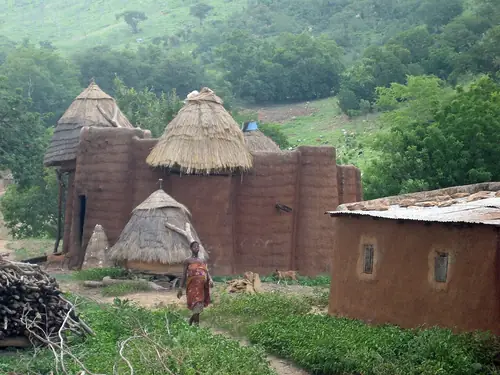
Narrow and easy to get around, Togo packs a palm-fringed coast, a lagoon steeped in vodun traditions and the green hills of Kpalimé into a few hundred kilometres. Far less visited than neighbouring Ghana, it is still one of the easiest countries in the region to reach.
Best time to go: November to February. Lomé has good air links with other African capitals and with Europe, and the south of the country is easy to explore by road, in daylight.
Safety: the Savanes region in the far north is orange on France Diplomatie's map and the FCDO advises against all but essential travel there; France Diplomatie advises against all travel to the tri-border area with Burkina Faso, and the FCDO against all travel within 30 km of the border with Burkina Faso, except Dapaong and the N1 road leading to it, which are still advised against except for essential travel (France Diplomatie also advises against staying in Dapaong, and the whole region requires prior written permission from Togo's Ministry of the Armed Forces). The south and centre are at the increased vigilance level. Ocean currents are very strong along the coast, and the Lomé seafront is best avoided on foot in the evening.
- Lomé: A seaside capital with its Grand Marché and the Akodessewa fetish market.
- Kpalimé: Waterfalls, coffee and cocoa plantations, and hikes up Mount Agou.
- Lake Togo and Togoville: A pirogue crossing to a major vodun centre.
- Womé Falls: A swim in the heart of the forest near Kpalimé.
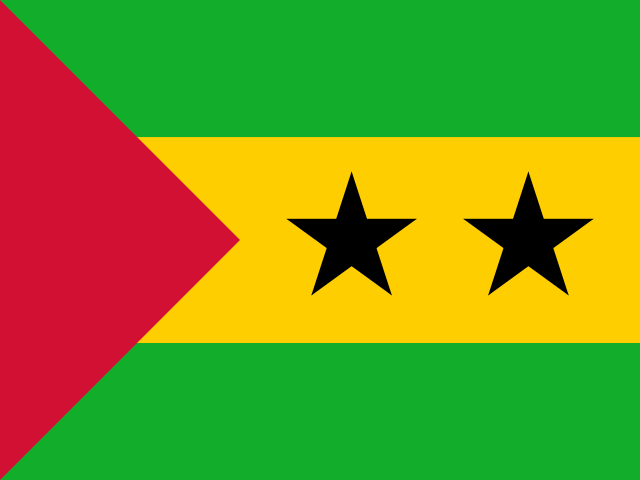
São Tomé and Príncipe: the chocolate islands
Sitting on the equator in the Gulf of Guinea, these two jungle-covered volcanic islands live by 'leve-leve', the art of taking it slow. Old cocoa plantations, golden beaches and rocky pinnacles make them one of the most unusual destinations on the continent.
Best time to go: June to September and December to February. You reach São Tomé by air, usually via Lisbon or a Central or West African capital, then Príncipe on a short domestic flight.
Safety: the whole archipelago is at the increased vigilance level and the FCDO describes crime as generally low. Medical and emergency services are very limited, so insurance that covers repatriation is essential. Pleasure sailing is strongly discouraged because of piracy in the Gulf of Guinea.
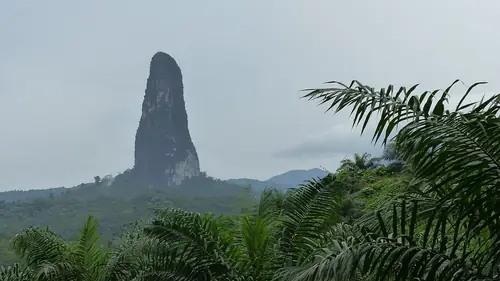
- Pico Cão Grande: A 370 m volcanic spire rising out of the forest in southern São Tomé.
- Roças (plantation estates): Former cocoa and coffee plantations, some now turned into guesthouses.
- Praia Banana (Príncipe): A banana-shaped golden cove, often described as one of Africa's most beautiful beaches.
- Ilhéu das Rolas: An islet crossed by the equator line.
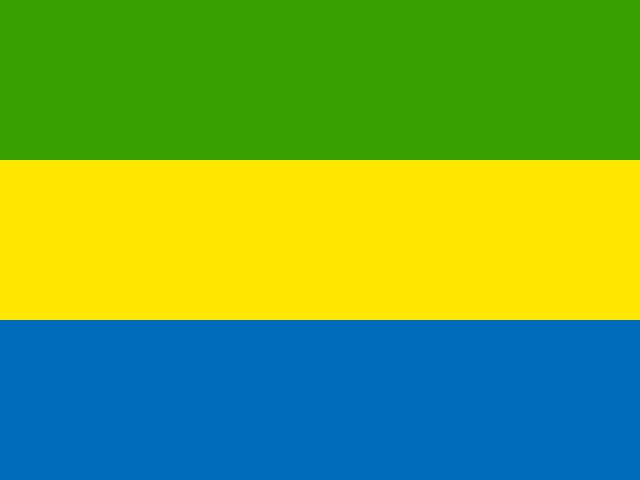
Gabon: forests, beaches and big animals
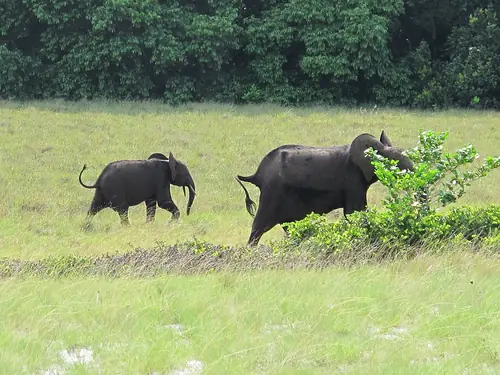
Almost 90% covered by forest, Gabon protects thirteen national parks where forest elephants, gorillas and mandrills live far from the crowds. It is one of the few places where you can see elephants and buffalo on an Atlantic beach.
Best time to go: June to September, during the dry season. Libreville has direct flights to Paris and several African capitals. The parks are then reached by light aircraft, boat or train depending on the park, usually as part of an organised trip.
Safety: there are no red or orange zones. France Diplomatie recommends extra vigilance on some beaches and in several Libreville neighbourhoods, and strongly advises against driving at night outside the capital.
- Loango National Park: Elephants and buffalo on the beach, whales offshore.
- Lopé National Park: A UNESCO-listed mosaic of forest and savannah, with mandrills by the hundred.
- Pointe Denis: A white-sand beach facing Libreville, where leatherback turtles nest.
- Lambaréné: A town on the Ogooué, with the Albert Schweitzer hospital and large lakes to explore by pirogue.
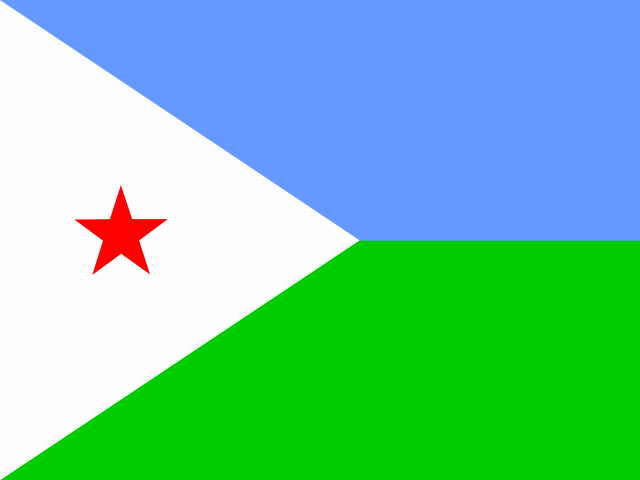
Djibouti: otherworldly landscapes
Often seen as a mere stopover, Djibouti has truly unique scenery: salt lakes, steaming limestone chimneys and waters where you can swim with whale sharks. The country is small, and its main sights can be visited in a few days from the capital.
Best time to go: November to February, when the heat is bearable; it is also whale shark season in the Gulf of Tadjoura, from November to January. Djibouti has flights from Europe and via Addis Ababa.
Safety: both France Diplomatie and the FCDO advise against all travel to the border with Eritrea; France Diplomatie also advises against the area near the Somaliland border beyond the Décan refuge, and against the Seven Brothers islands except on authorised excursions. Access to Oued Kalou and Mount Moussa Ali is forbidden. The rest of the country is at the increased vigilance level.
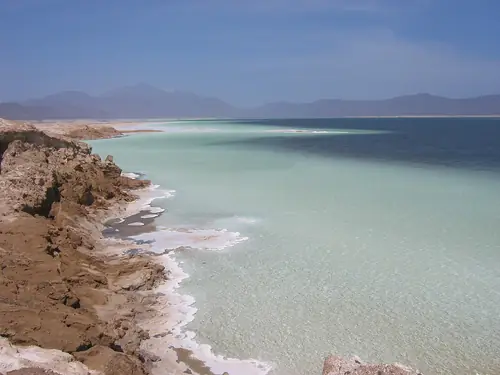
- Lake Assal: Africa's lowest point, 155 m below sea level, with a salt crust and turquoise water.
- Lake Abbe: Steaming limestone chimneys, best seen at sunrise.
- Gulf of Tadjoura: Swimming with whale sharks in season.
- Tadjoura: The white town of seven mosques, facing the gulf.
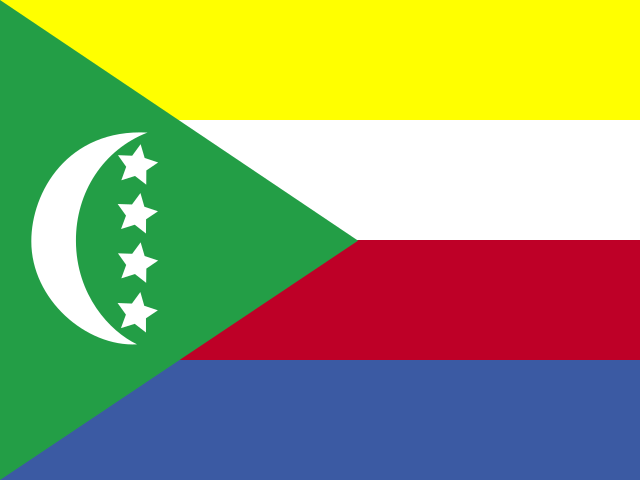
Comoros: the Islands of the Moon
Between Madagascar and Mozambique, the Comoros archipelago smells of ylang-ylang and vanilla. Visitors find Swahili medinas, an active volcano with a huge crater and beaches where green turtles nest, with tourism still in its infancy.
Best time to go: May to November. The international airport is on Grande Comore, near Moroni, with connections via the main East African and Indian Ocean hubs. To hop between islands, fly where you can: the FCDO warns that boats can be overloaded and lack life jackets.
Safety: the whole archipelago is at the increased vigilance level. Protests can break out, particularly after elections, and medical care is limited in Moroni and almost non-existent on Anjouan and Mohéli. Comoros is a Muslim country, so dress modestly away from the beach.
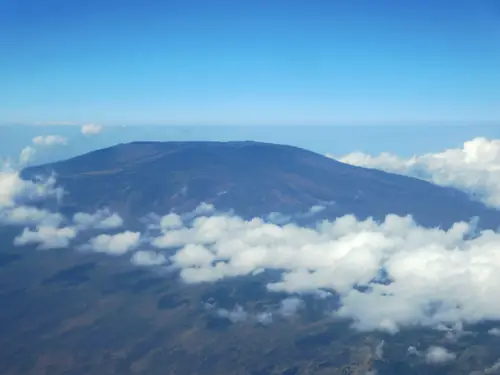
- Mount Karthala: A 2,361 m active volcano with a huge crater, to be climbed with a guide.
- Mohéli Marine Park: Green turtles, humpback whales and untouched beaches.
- Mutsamudu: A medina and citadel on the island of Anjouan.
- Lac Salé: A crater lake with shifting colours in the north of Grande Comore.
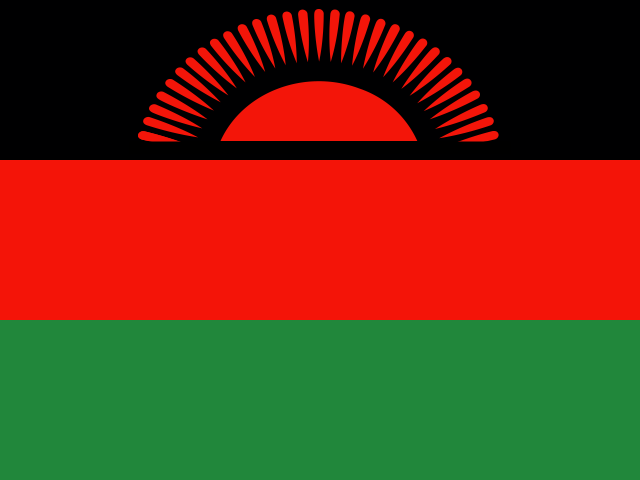
Malawi: the Warm Heart of Africa
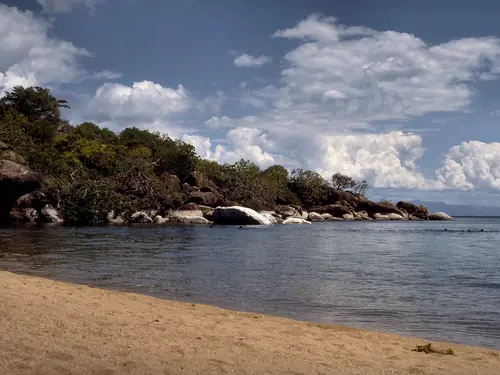
Known as 'the Warm Heart of Africa', Malawi owes much to its lake, as big as an inland sea, where you can swim and snorkel among hundreds of species of colourful fish. Mountains to hike, tea plantations and boat safaris round off a country far less visited than neighbouring Tanzania.
Best time to go: May to October. You fly into Lilongwe or Blantyre. Choose your stopover carefully: according to the FCDO (November 2026), travellers arriving from or transiting through Uganda, Kenya or Nigeria are monitored daily for 21 days as part of Ebola surveillance, and those arriving from or transiting through the Democratic Republic of the Congo must self-isolate for 21 days.
Safety: the country is at the increased vigilance level, mainly because of road risk, among the highest in Africa according to France Diplomatie. Thefts target tourist spots such as Cape Maclear, Zomba and Nkhata Bay, and assaults have been reported in Lilongwe, so avoid isolated places after dark.
- Lake Malawi (Cape Maclear): Snorkelling among cichlid fish in a UNESCO-listed site.
- Mount Mulanje: A 3,002 m granite massif surrounded by tea plantations.
- Liwonde National Park: Boat safaris on the Shire River.
- Zomba: A former colonial capital at the foot of a forested plateau with spectacular views.
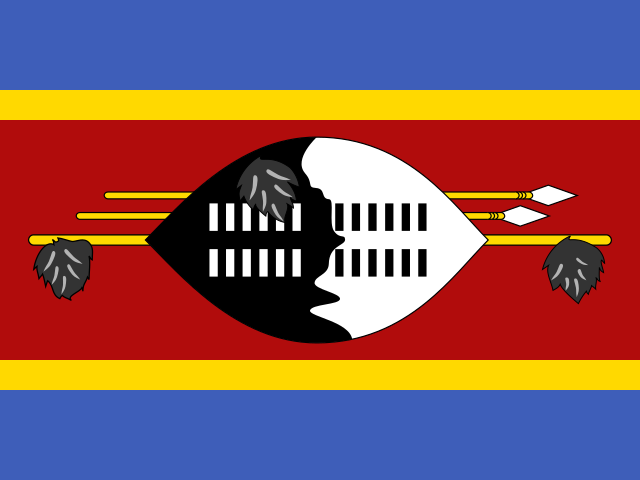
Eswatini: a kingdom of traditions
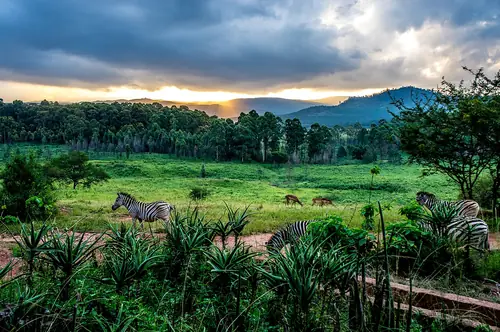
The former Swaziland, one of the world's last absolute monarchies, is a small country that still deserves several days. Its human-scale reserves can be explored on foot, by bike or on horseback, and its traditional ceremonies are very much alive.
Best time to go: May to September. The country has an international airport, but many visitors arrive by road from South Africa, often combining the trip with Kruger National Park or Mozambique.
Safety: the whole country is at the increased vigilance level and France Diplomatie considers it generally safe. Avoid walking at night in central Mbabane and Manzini, keep your car doors locked on the main roads and do not drive after dark.
- Mlilwane Wildlife Sanctuary: Walking, cycling and horseback safaris in the heart of the Ezulwini Valley.
- Hlane Royal National Park: Lions, elephants and white rhinos.
- Mantenga Cultural Village: Traditional dances and a waterfall.
- Lobamba: The royal and cultural heart of the country, in the Ezulwini Valley.
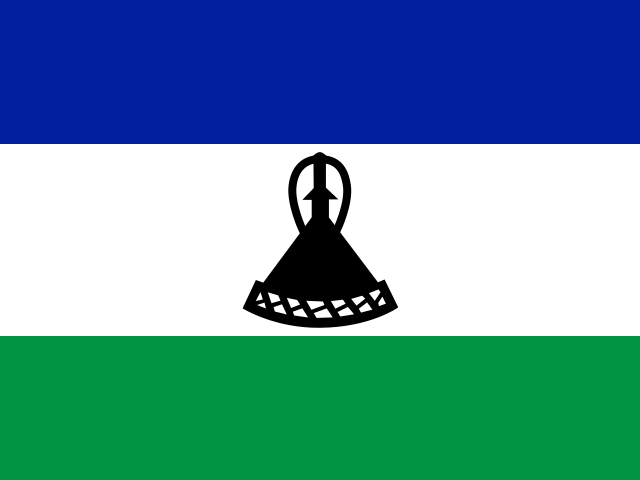
Lesotho: the Kingdom in the Sky
Lying entirely above 1,400 m, Lesotho is a land of mountains, blanket-wrapped shepherds and dizzying passes. You can cross it by pony from village to village, past waterfalls and high plateaus.
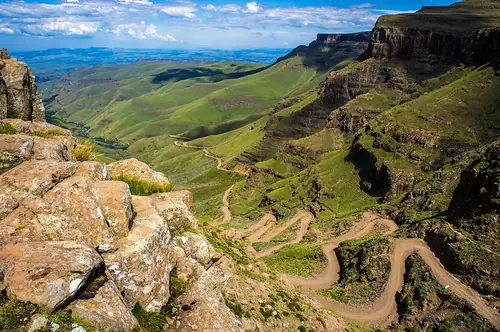
Best time to go: October to April for hiking, June to August for skiing. Many travellers arrive by road from South Africa, including over the Sani Pass, a mountain track tackled by 4x4.
Safety: the whole country is at the increased vigilance level. The main danger is the road: poor surfaces, stray animals and no lighting, hence the advice not to drive at night. Watch out for theft in Maseru and stay away from demonstrations.
- Sani Pass: A legendary track climbing from South Africa up to the plateau.
- Maletsunyane Falls: A 192 m drop near the village of Semonkong.
- Semonkong: A mountain village and the starting point for pony treks.
- Thaba Bosiu: A natural fortress and the birthplace of the Basotho nation.
Tips for travelling off the beaten track
In these countries, tourism infrastructure is thin: few places to stay, irregular transport, sometimes difficult roads and limited healthcare outside the capitals. Book your first nights in advance, travel in daylight, leave slack in your itinerary and take out insurance that covers medical evacuation.
Cash is king. According to the FCDO, cards are not widely accepted in Guinea-Bissau, Togo, Comoros, São Tomé and Príncipe, Gabon and Djibouti, and ATMs are scarce or concentrated in the capital. Bring enough cash for the whole trip, even in Lesotho, where cards work well in Maseru but much less elsewhere.
Hire local guides: they know the tracks, the tides, the park rules and village customs, and their fees go straight to local people. Before you leave, reread the FCDO or France Diplomatie advice, sign up for travel advice alerts and check current health measures: in November 2026, several countries are stepping up arrival checks because of Ebola.
Finally, bring patience and curiosity. A boat leaving late or a power cut is part of the journey, and it is precisely in these little-visited countries that the welcome is often warmest.