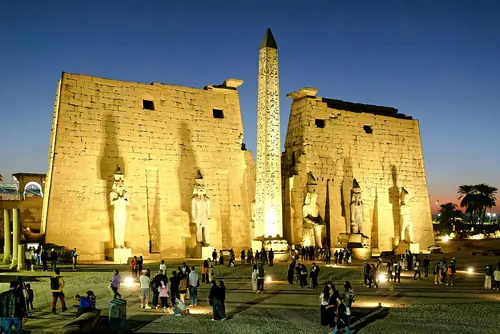
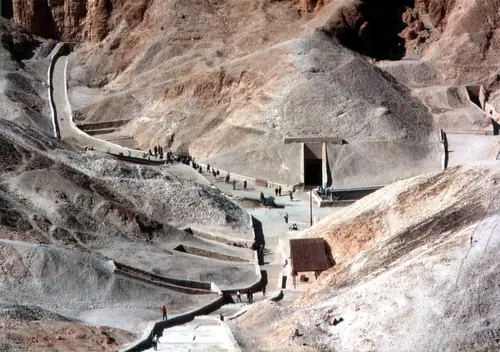
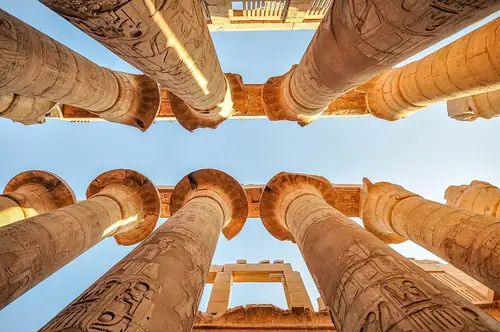
Some journeys you make to rest, and others you make to see with your own eyes what you have known since childhood. Egypt belongs to the second kind. Standing at the foot of the Great Pyramid of Khufu, gazing up at the papyrus-shaped columns of the hypostyle hall at Karnak, descending into a painted tomb in the Valley of the Kings where the colours look as if they were applied yesterday: these moments go beyond anything the history books promised.
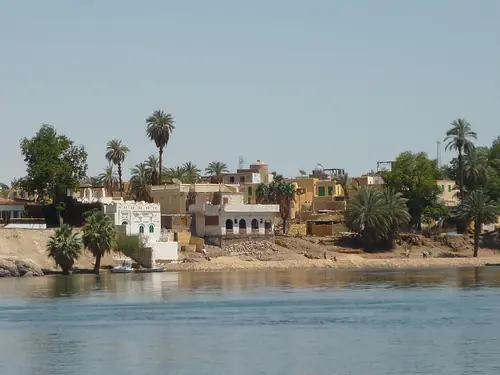
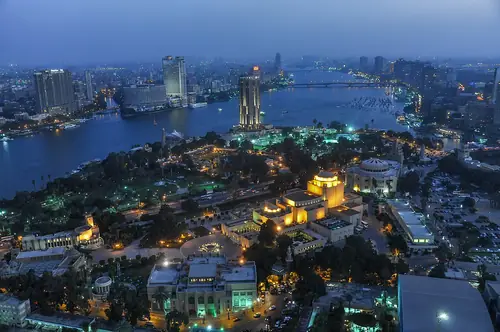
But Egypt is not a museum. It is a country of more than a hundred million people, most of them packed into the narrow green ribbon the Nile traces through the desert. Cairo overflows with energy, car horns and cafés where people play backgammon late into the night; the villages of Upper Egypt still follow the rhythm of the farming seasons; the Nubians of Aswan paint their houses in bright colours. Sailing up the river by felucca or on a cruise means watching both antiquity and everyday riverside life glide past: water buffalo bathing, children waving, fields of sugar cane.
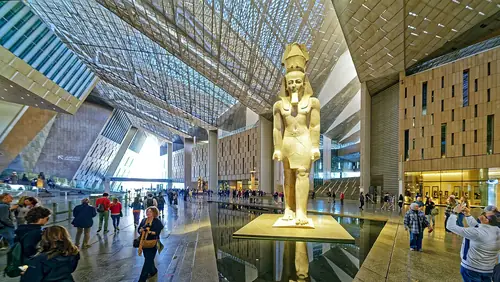
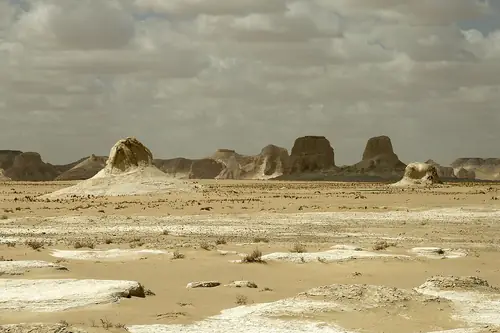
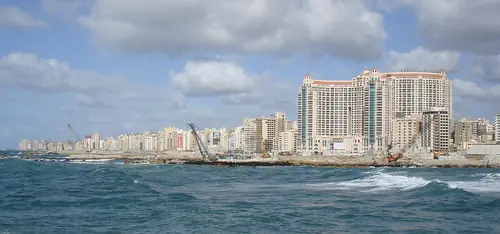
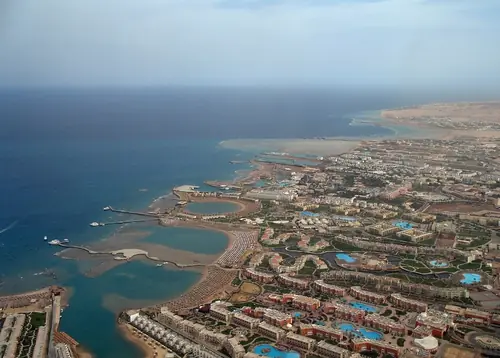
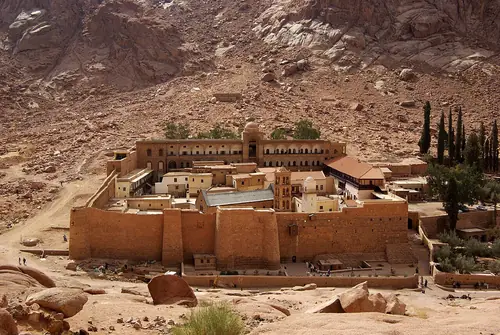
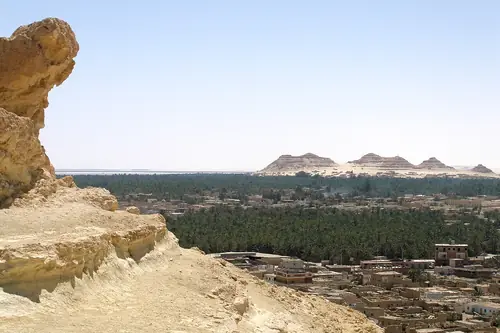
And once you have had your fill of temples, the Red Sea awaits with some of the finest coral reefs in the world, just a few metres from the shore. The White Desert and its chalk formations, the oases of the Western Desert such as Siwa, Saint Catherine's Monastery at the foot of Mount Sinai and the Mediterranean shores of Alexandria complete the picture. Egypt suits every budget, from organised cruises to independent travel by train, and the opening of the Grand Egyptian Museum near Giza has given everyone a new reason to come back, even those who have already been.
History and culture
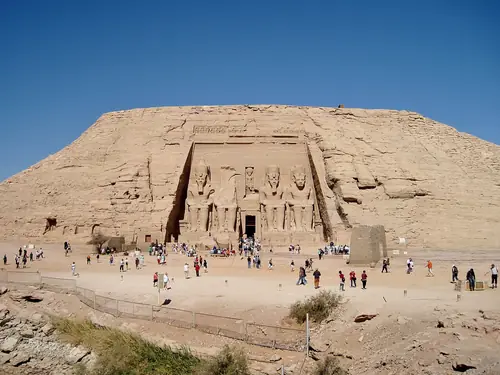
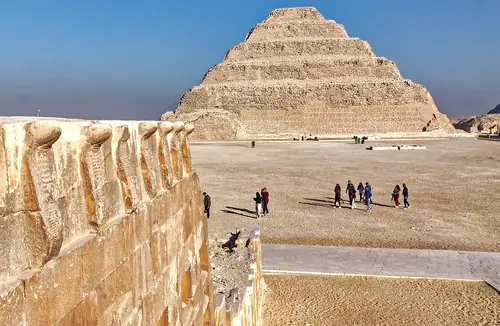
Around 3100 BC, Upper and Lower Egypt were unified under a single pharaoh. So began a civilisation that would last almost three millennia: the Old Kingdom built the pyramids of Saqqara and Giza, the Middle Kingdom extended its power towards Nubia, and the New Kingdom, the age of Hatshepsut, Akhenaten, Tutankhamun and Ramesses II, raised the great temples of Thebes and Abu Simbel.
Alexander the Great conquered the country in 332 BC; the Ptolemies and then the Romans followed, and Coptic Christianity took root. The Arab conquest of 641 eventually made Cairo, founded in 969 by the Fatimids, one of the great capitals of Islam under the Mamluks. Then came the Ottomans, Bonaparte's expedition, the dynasty of Muhammad Ali, British influence, and finally independence and the 1952 revolution led by the Free Officers, among them Nasser.
8 experiences not to miss in Egypt
Photo : Ricardo Liberato · CC BY-SA 2.001The pyramids at daybreakArrive at the Giza plateau as it opens, before the coaches, to see the low light raking across the stones and the desert.
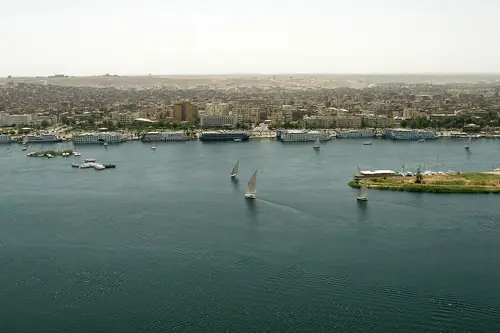
Photo : Vyacheslav Argenberg · CC BY 4.002Sailing the Nile by felucca or dahabiyaA sailing cruise between Aswan and Luxor, stopping at less-visited temples such as Kom Ombo and Edfu.
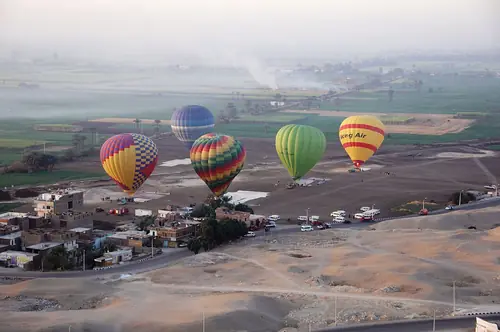
Photo : Wouter Hagens · CC BY-SA 3.004A hot-air balloon over LuxorFloat at dawn over the West Bank, its mortuary temples and its fields, as the sun rises from behind the Theban hills.
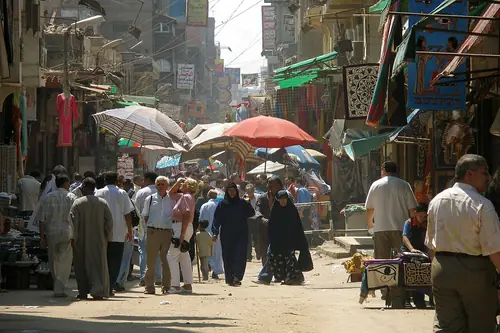
Photo : Vyacheslav Argenberg · CC BY 4.005Islamic Cairo on footWalk up al-Muizz Street past Mamluk mosques, madrasas and caravanserais to the Bab al-Futuh gate.
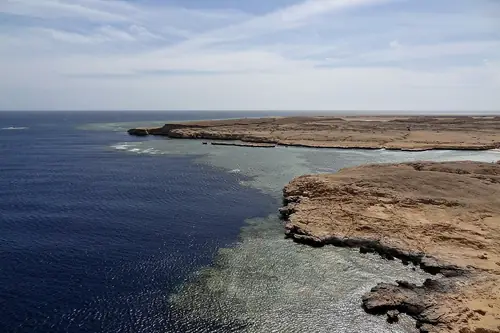
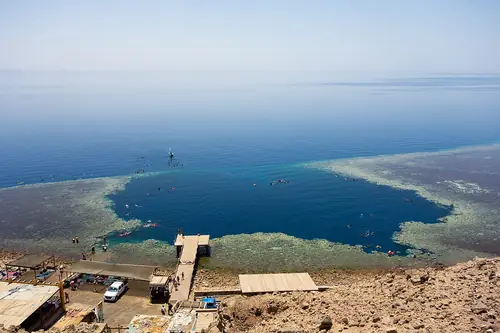
Photo : Sovernigo · CC BY-SA 4.006Diving in the Red SeaSnorkel or dive the reefs of Ras Mohammed National Park or the coast around Marsa Alam.
Photo : Rémih · CC BY-SA 3.008A Nubian village near AswanTake a boat across to the West Bank to discover the colourful houses and the warm welcome of the Nubians.
When to go to Egypt
High season runs from October to April, with sunny, mild days in the Nile Valley that are ideal for sightseeing. December and January are the busiest months, and the nights can be chilly, especially in the desert. In spring the khamsin, a hot, sand-laden wind, can blow for a few days. From May to September the heat in Luxor and Aswan is crushing, often above 40°C, so you visit very early in the morning. Summer remains a good season, however, for the Red Sea and for the more temperate Mediterranean coast around Alexandria. Ramadan changes opening hours.
Getting around
To travel between Cairo, Luxor and Aswan you have three options: the train, including sleeper services, domestic flights, which are quick and frequent, or a Nile cruise between Luxor and Aswan, which combines transport and sightseeing. In Cairo the metro is efficient and cheap, and ride-hailing apps make getting around the city much easier. For the Red Sea, direct flights serve Hurghada, Marsa Alam and Sharm El Sheikh, and buses link the main towns. Driving in Egypt is exhausting: hire a driver instead. For Abu Simbel, fly or go by road from Aswan.
Etiquette and customs
Baksheesh, the small tip, is part of everyday life: keep small change for tomb guardians, porters and toilet attendants. In the bazaars, bargain with humour and patience. Dress modestly away from the beach resorts, and women should bring a headscarf for visiting mosques, where you take your shoes off. Egyptians are sociable and love a joke; accept invitations to tea, but stay alert to persistent hustlers around the tourist sites. Do not photograph soldiers, police or sensitive infrastructure. During Ramadan, out of respect, do not eat in public during the day.
Food and drink in Egypt
Egyptian cooking is popular, generous and largely vegetarian. Koshari, the national dish, layers rice, lentils, pasta and chickpeas, topped with a vinegary tomato sauce and fried onions: you eat it in dedicated canteens in under five minutes. Ful medames, fava beans stewed with oil, cumin and lemon, is a breakfast staple with baladi bread, as is taameya, the Egyptian version of falafel made from fava beans. Molokhia, a green, slippery soup of jute leaves with garlic, divides opinion but is part of the country's identity. Also try stuffed pigeon, flaky feteer, mahshi and, for dessert, om ali.
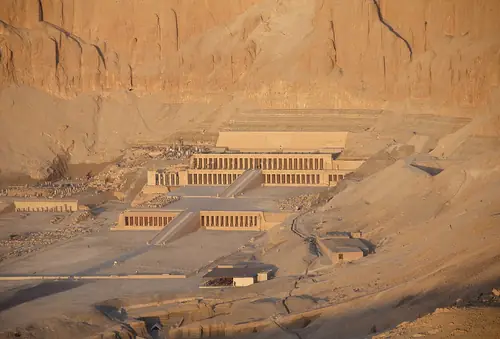
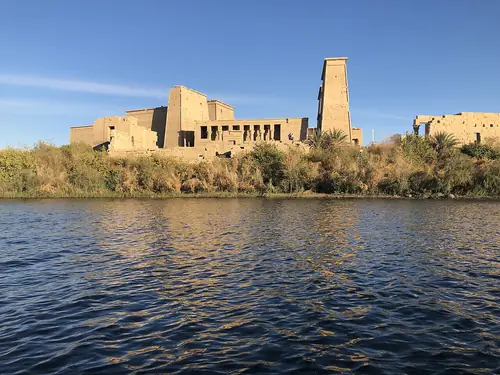
The must-sees: Pyramids of Giza, Valley of the Kings, Abu Simbel, Red Sea (Hurghada, Sharm El Sheikh), Mount Sinai and St Catherine's Monastery, Siwa Oasis, Karnak Temple, Saqqara and the Pyramid of Djoser, Blue Hole, Dahab, Grand Egyptian Museum (GEM), Temple of Hatshepsut (Deir el-Bahari), Philae Temple.
Which cities should I visit in Egypt?
Cairo, Luxor, Aswan, Alexandria. The capital is Cairo.
How much should I budget for a trip to Egypt?
Budget: around €30–60 per person per day, excluding flights. This is only a guide and depends above all on the accommodation and activities you choose.
The main international airport has the code CAI. Compare flights with the ‘Flights’ button on this page.
Do I need a visa to visit Egypt?
Entry requirements depend on your nationality and change regularly. Check them on the country's official website or with your foreign ministry before booking, and make sure your passport is valid.
What should I eat in Egypt?
Dishes to try while you're there: Koshari, ful, molokhia.
ENR trains link Cairo with Alexandria and run up the Nile Valley to Luxor and Aswan, including overnight sleeper trains on that route; the first high-speed line is still under construction. EgyptAir flies from Cairo to Luxor, Aswan, Abu Simbel, Hurghada and Sharm el-Sheikh. Between Luxor and Aswan, a Nile cruise is the classic option, and feluccas are good for short trips; coach companies such as Go Bus serve the main cities and the Red Sea. In Cairo, Uber and Careem are widely used; driving is on the right, but traffic is chaotic and a car with driver is often the better choice.
Health and safety
Yellow fever
Certificate required only if you arrive from, or transited through, a country with a risk of yellow fever (from 9 months, incl. airport transits over 12 h); vaccine generally not recommended.
Malaria
No transmission reported.
Water and food
Unless your accommodation says otherwise, drink sealed bottled or filtered water, and wash your hands often.
Sources: France Diplomatie, Viaggiare Sicuri, Belgian Foreign Affairs, GOV.UK, checked in November 2026. All 54 countries
Entry requirements (visas, vaccinations) and security conditions change regularly: check them with the official authorities before booking. Official tourism website: Ministry of Tourism and Antiquities (Experience Egypt).
Affiliate cookiesWe would like to load a script from our partner Travelpayouts. It may set cookies so that we receive a commission when you book through our links, at no extra cost to you. If you decline, the site works in exactly the same way. Find out more
 AfriqueUnie
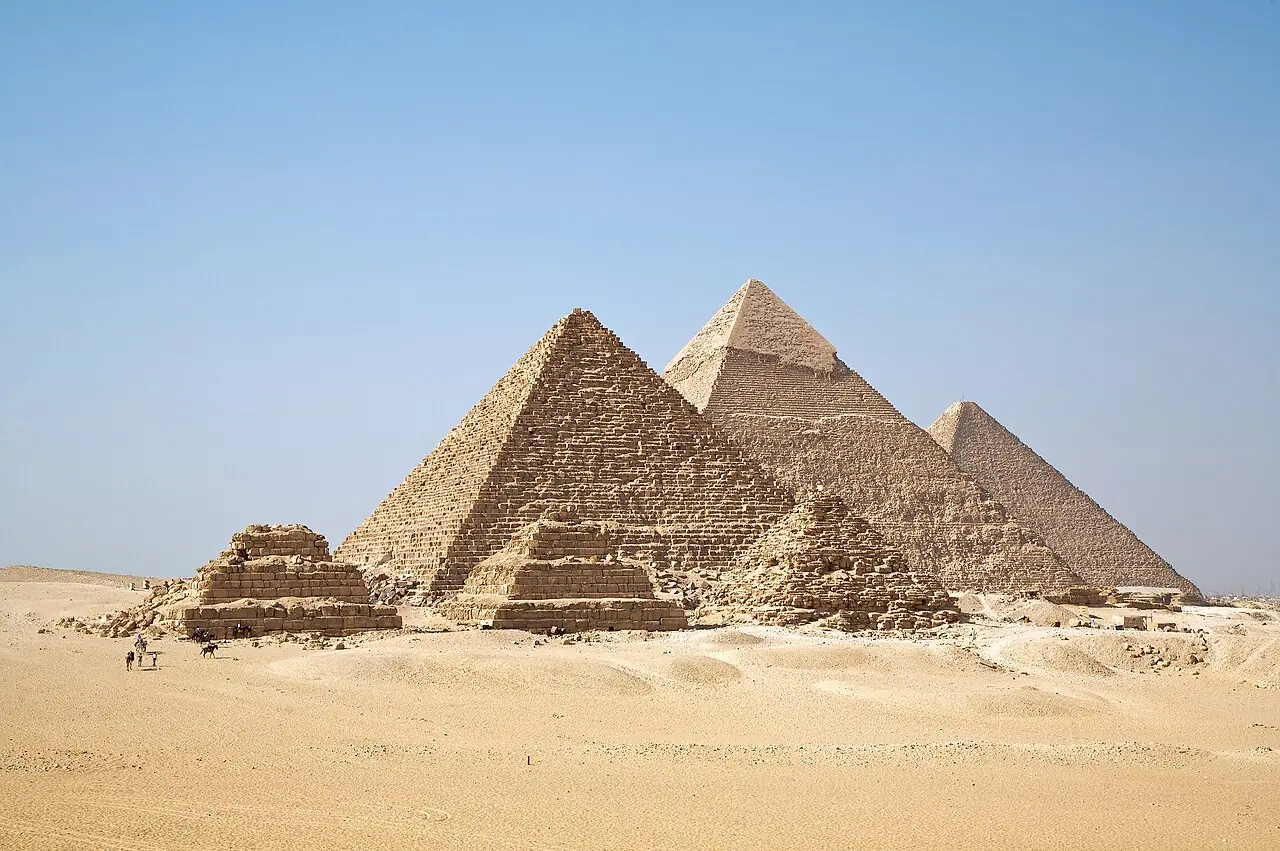 Photo: Ricardo Liberato · CC BY-SA 2.0
 Egypt

 Algeria
 Libya
 Sudan