AfriqueUnie
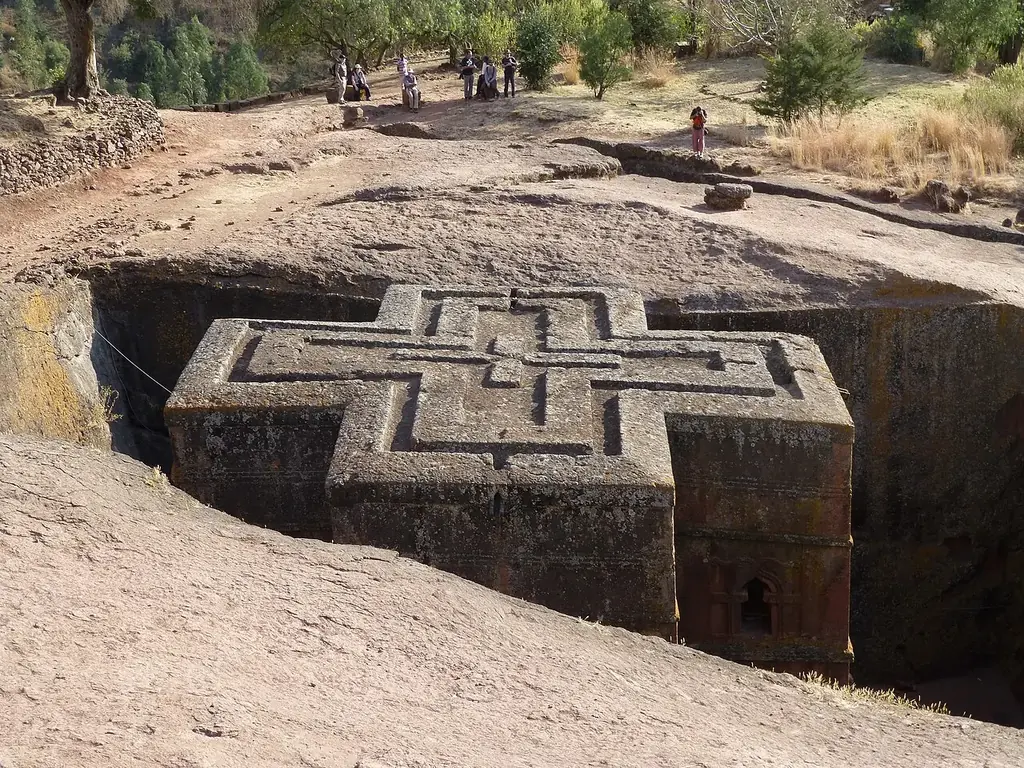 Photo: Ji-Elle · CC BY-SA 3.0
Published by Adama Doumbia, founder of Afrique Unie · updated 28 November 2026 · our method and sources
Daily budget
These are rough figures per person per day, excluding the international flight. They cover accommodation (two people sharing a room), meals, local transport and a few visits.
On a tight budget, allow roughly €30 to €50, staying in simple guesthouses, eating injera at local restaurants and travelling by bus. For a comfortable trip, allow about €90 to €160, with good hotels, internal flights and guides. At the top end, allow €250 or more, in lodges or on a private tour with vehicle and driver.
Since the National Bank of Ethiopia floated the birr in July 2024, local prices have been changing quickly: treat these figures as indicative and check recent rates with your agency or accommodation.
What is expensive and what costs next to nothing
- Internal flights: Essential for long distances, which the French foreign ministry advises covering by air rather than by road. Fares are often better if you fly into Ethiopia with the national airline: ask the airline.
- Organised excursions: The Danakil Depression and the Omo Valley are visited with a specialist agency and a four-wheel drive: a major cost, best shared.
- Local meals: Injera with stews, coffee and fruit juice cost very little in neighbourhood restaurants. Restaurants in Addis Ababa's big hotels cost far more.
- Accommodation: Affordable in provincial towns, much more expensive in Addis Ababa's international hotels and in remote lodges.
- Entry fees and guides: Parks, religious sites and museums charge their own entry fees, often with a local guide who is compulsory or strongly advised. Bring cash.
Money: birr, cash and exchange
The currency is the Ethiopian birr (ETB). The UK government describes Ethiopia as a cash-based society: card payments and cash machines are limited and unreliable, especially outside cities. Withdraw or change enough before leaving Addis Ababa or the larger towns.
Change money at banks or authorised bureaux and keep the receipts: without them you are unlikely to be able to change birr back when you leave. The UK says you may not take more than 3,000 birr into or out of the country, and that foreign cash over 10,000 US dollars must be declared. The French foreign ministry adds that holding unexplained foreign currency can lead to trouble at police checks.
US dollars are accepted by some hotels and agencies, in recent notes in good condition. Visa overstay fines can only be paid in foreign currency.
Tipping is customary for guides, drivers and porters: ask your agency what is usual.
Visa and passport
Information checked in November 2026. These rules can change: read the official sources again before you travel.
French, British and other European nationals need a visa. The French foreign ministry says it must be obtained before departure through the official e-Visa procedure (evisa.gov.et), with a printed copy to show on arrival, and describes visas on arrival as unreliable and strongly discouraged. The UK mentions a 30-day single-entry tourist visa, requiring a colour scan of your passport and a colour passport photo.
We could not confirm the official e-visa fee: unofficial sites quote different amounts, plus service charges. Use the official portal and check the price when you apply.
Your passport must be machine-readable and valid for at least six months after you arrive. Extensions are requested in person at the Immigration and Citizenship Service head office in Addis Ababa before your visa expires: the French foreign ministry quotes 100 US dollars for one extra month on a tourist visa. For overstays, it mentions a 3,000-dollar fine plus 30 dollars a day.
Land borders: France formally advises against crossing to Djibouti by road or train, the land border with Eritrea is closed to foreigners and the Sudan border must not be used under any circumstances. Drones, binoculars and satellite phones need prior approval, according to the UK.
Health and vaccinations
Yellow fever: a certificate is required of travellers aged nine months or over arriving from a risk country, including after a transit of more than twelve hours. The US CDC recommends vaccination except for travel limited to the Afar or Somali regions. As Ethiopia is a transmission area, your next country may also ask for the certificate: get vaccinated at least ten days before you leave.
Malaria is present in areas below 2,500 metres, which covers most of the country. The US CDC includes Addis Ababa in its preventive medication recommendations. Protection against bites and medication are decided with a doctor, depending on your route.
Addis Ababa lies above 2,300 metres: allow time to acclimatise. Meningitis (in the dry season), dengue and rabies are also reported. Insurance covering treatment and repatriation is essential.
Before you go: the checklist
- E-visa: Apply on the official evisa.gov.et portal before you leave, and carry a printed copy.
- Passport: Machine-readable, with six months' validity after arrival.
- Route: France places Tigray and Amhara (including Lalibela, Gondar and the Simien Mountains), Gambela, western Oromia and the border areas in its red zone. The UK also advises against all travel to Tigray, Amhara and Gambela.
- Danakil and Omo: Possible according to France, but only with tourism professionals, flying to Semera for the Danakil and avoiding Mursi territory in the Omo Valley.
- Official sources: Read the Ethiopia page on gov.uk/foreign-travel-advice and the Éthiopie page of « Conseils aux voyageurs » on diplomatie.gouv.fr just before you leave: the situation changes quickly.
- Cash and insurance: Dollars or euros in good condition, your exchange receipts, and insurance covering treatment and repatriation.