AfriqueUnie
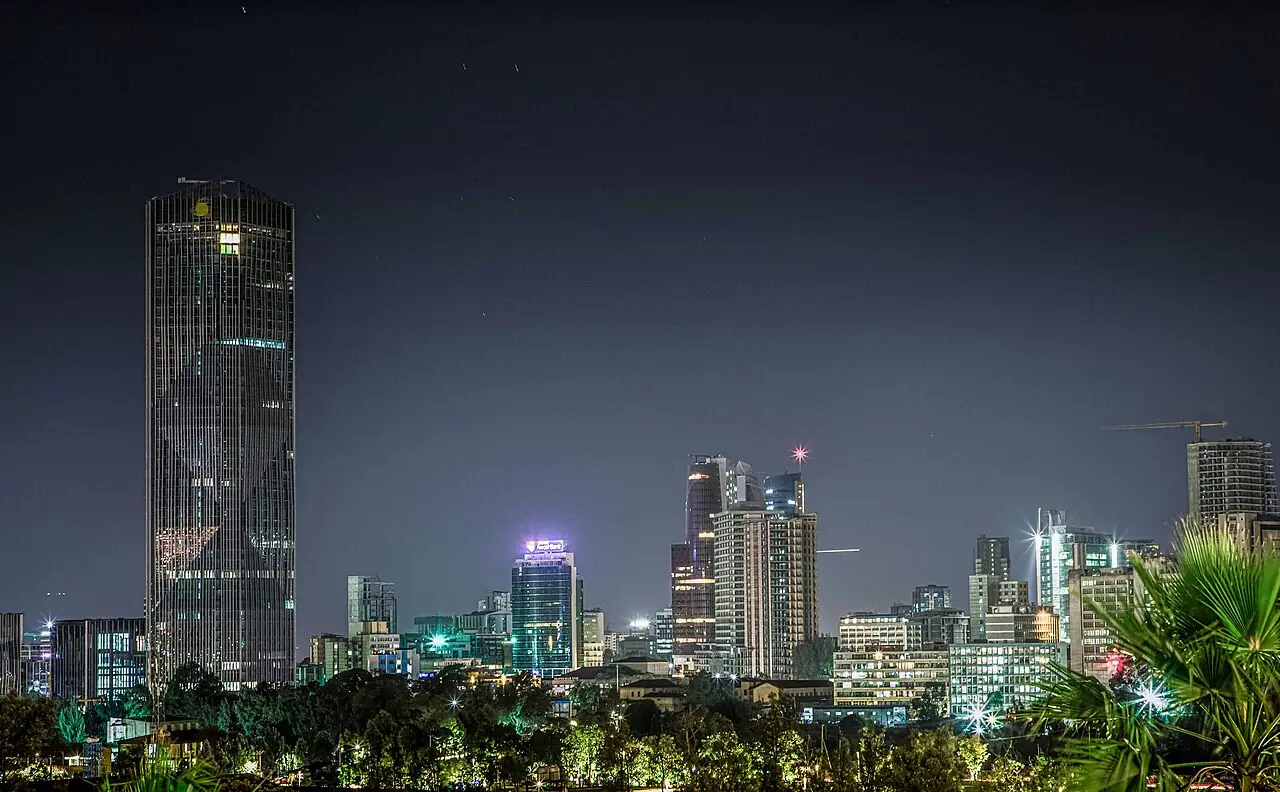 Photo: Abshewaga · CC BY-SA 4.0
Published by Adama Doumbia, founder of Afrique Unie · updated 28 November 2026 · our method and sources
Why visit Addis Ababa?
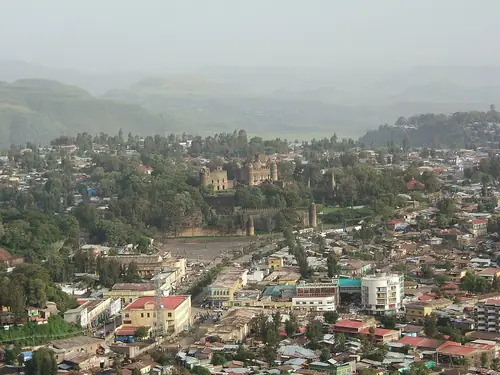
Founded at the end of the 19th century by Emperor Menelik II and Empress Taytu, Addis Ababa, “the new flower” in Amharic, is one of the highest capitals in the world, at more than two thousand three hundred metres above sea level. It is home to the headquarters of the African Union, which sometimes earns it the title of Africa's diplomatic capital. It is a huge city undergoing rapid transformation, where glass towers stand alongside low tin-roofed houses, Orthodox churches with colourful domes and eucalyptus trees planted in Menelik's day.
Addis Ababa is the gateway to the country and the ideal place to understand its history. The National Museum displays the fossils of Lucy and other hominids; the Ethnological Museum, housed in Haile Selassie's former palace on the university campus, tells the story of the cultures of Ethiopia's peoples; Holy Trinity Cathedral holds the emperor's tomb. The Merkato, one of Africa's largest open-air markets, teems with activity.
The city also comes alive in the evening, in its cafés, its Ethiopian jazz venues and its azmari bets, which you reach by car, and on the wooded heights of Entoto, where runners train in the thin air; these hills, however, are among the areas where France and the UK report the most attacks.
Things to do in Addis Ababa: 6 ideas
- 01The National MuseumMeet Lucy and discover the fossils, art and royal objects that trace millions of years of history.
- 02The MerkatoExplore, with a guide and staying alert, the alleys organised by trade: spices, fabrics, recycling, baskets.
- 03The Ethnological MuseumVisit Haile Selassie's former palace, his preserved bedroom and its collections on the country's peoples.
- 04Holy Trinity CathedralDiscover the stained glass, the imperial tombs and the hushed atmosphere of this great sanctuary.
- 05The Entoto hillsDrive up in broad daylight, with company, to the viewpoints over the city, without wandering alone: France and the UK report many attacks on these heights, some at knifepoint.
- 06An Ethio-jazz eveningListen to the hypnotic rhythms of Ethio-jazz or azmari music in a club or cabaret.
Where to stay in Addis Ababa
Bole, near the airport, is the most convenient and modern district, with hotels of every category, restaurants and cafés; stay alert around Bole Atlas and Bole Medhanealem, which the UK flags for attacks. Kazanchis, more central, is home to business hotels and international organisations. Piassa, the old historic centre, offers a more authentic atmosphere with its Italian-era buildings, pastry shops and cafés, but simpler accommodation; France reports one of the highest numbers of attacks in the city there. Arat Kilo, around the university and the museums, suits curious travellers. Despite their peaceful look, the Entoto heights are among the areas where France and the UK report the most attacks, so it is better to stay in town.
See places to stay in Addis Ababa
Frequently asked questions
Is Addis Ababa safe?
The city is under heightened vigilance, but France reports rising crime aimed particularly at foreigners, with sometimes violent attacks by day and by night. The wooded hills to the north (Yeka, Entoto), Bole Atlas, Meskel Square and Piassa see the most attacks. The UK also lists Bole Medhanealem and reports knifepoint robberies, so avoid going alone to these areas. Avoid walking alone at night and get around by car, as France recommends.
How do I get from Bole airport to the centre?
Bole International Airport is within the city, about 6 km from the centre: allow 15 to 30 minutes depending on traffic. The UK advises using only buses or taxis arranged by your hotel or travel company or, if you book your own, a yellow or app-based taxi rather than a blue and white one. With an app, France advises checking the number plate to make sure the driver is the one you booked.
How many days should I spend in Addis Ababa?
Two to three days let you see the National Museum and Lucy, the Ethnological Museum, Holy Trinity Cathedral and the Merkato, and enjoy an Ethio-jazz evening. The city is also the hub for domestic flights, but check official travel advice before choosing a region, as several are advised against.
When is the best time to visit Addis Ababa?
From October to May, during the dry season, skies are mostly clear. The main rainy season, from June to September, brings daily showers and cold evenings. The Meskel festival in late September and Timkat in January are highlights, but very crowded, so stay alert in the crowds.
What currency is used in Addis Ababa?
The currency is the Ethiopian birr. Cards are accepted in large hotels and some restaurants, but cash is essential elsewhere; change money only at banks and authorised bureaux. Be discreet when withdrawing cash and keep a little money easily to hand.

 Ethiopia