AfriqueUnie
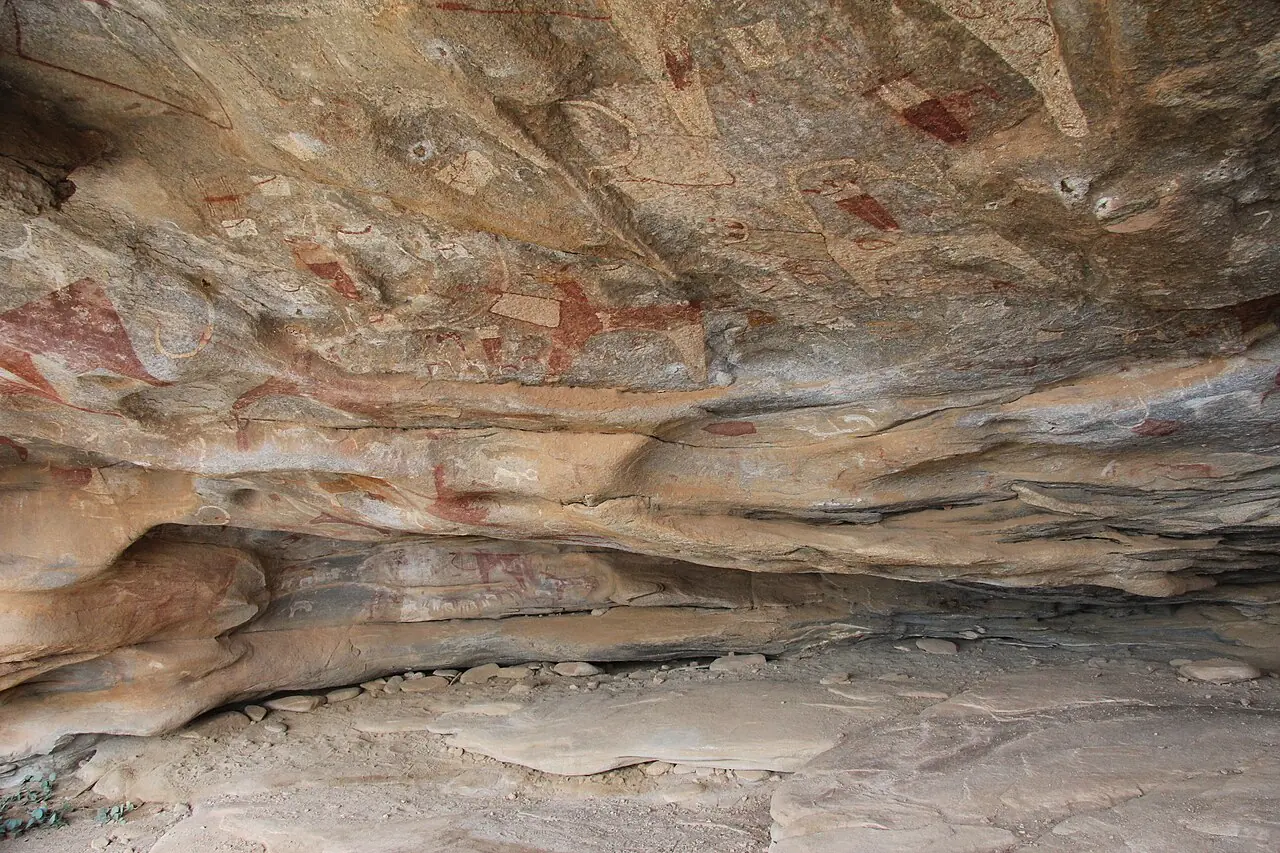 Photo: joepyrek · CC BY-SA 2.0
Published by Adama Doumbia, founder of Afrique Unie · updated 28 November 2026 · our method and sources
What the official advice says
The UK Foreign, Commonwealth & Development Office (FCDO) advises against all travel to Somalia, including Somaliland, except for the regions of Awdal, Maroodijeh and Sahil in Somaliland, where it advises against all but essential travel. This is due to the threat from terrorist groups and continuing violence, and the FCDO notes recent fighting between al-Shabaab and government forces close to Mogadishu.
The French foreign ministry formally advises against central and southern Somalia, where al-Shabaab controls large areas, against Puntland, and against Somaliland outside Hargeisa and Berbera. Those two cities are in its orange zone: advised against unless there is a compelling reason, with escorts, secure accommodation and the shortest possible stay. The UK zone, defined by region, therefore covers Hargeisa and Berbera but also the rest of those three regions.
Both governments describe a very high kidnap risk, including in Somaliland, where attacks are less frequent but still considered very likely to be attempted. France formally advises against leisure sailing off the coast because of piracy.
Consular support is severely limited. The UK offers no in-person support: contact the British High Commission in Nairobi if you are in Somalia, or the British Embassy in Addis Ababa if you are in Somaliland. French interests are handled from the French Embassy in Nairobi.
What it means for insurance
Most travel and assistance policies exclude countries or areas that the foreign ministry formally advises against: medical costs, evacuation and repatriation would then not be covered. The UK government warns that your travel insurance could be invalidated if you travel against FCDO advice.
Being in an area where only essential travel is advised is not a guarantee either: some policies exclude the whole country once part of it is advised against, others accept Somaliland's western regions under conditions. Get written confirmation of cover for your exact itinerary.
Read the exclusions in your policy, including any cover attached to your bank card, and ask the insurer for written confirmation. People sent by an employer, an NGO or a media organisation are usually covered by specialist high-risk policies arranged by their organisation: check exactly what they cover (medical evacuation, security evacuation, duration, areas).
Visa and passport: how it works
Information checked in November 2026. These rules can change at any time: read the official sources again and contact the country's embassy before taking any step.
A visa is required, including for Somaliland. For Mogadishu, the UK government says an eVisa must be obtained before arrival, and reports an ongoing data breach affecting the eVisa system that could expose applicants' personal data: consider the risk before applying. The French foreign ministry, for its part, mentions a one-month single-entry visa available on arrival at Mogadishu airport for 60 US dollars in cash. Check the current position with the Somali embassy.
For Somaliland, according to the UK, you may be asked to show the Somali eVisa to board, but it is not valid for entry: you must buy a single-entry visa on arrival at Hargeisa International Airport, valid for one month. A letter of invitation explaining the purpose of your visit may be requested on arrival.
Your passport must be valid for at least six months after you arrive. Khat is legal locally but it is an offence to take it out of the country. The authorities treat British nationals of Somali descent as dual nationals, which limits consular support.
Health and vaccinations
Yellow fever: no certificate is required on entry, according to US CDC data. Vaccination is generally not recommended for the south (Bakool, Banaadir, Bay, Galguduud, Gedo, Hiiraan, Juba and Shabelle regions) and not recommended elsewhere, while the French foreign ministry recommends it, particularly for the south: ask a travel clinic.
Malaria is present throughout the country. Bite avoidance and preventive medication should be decided with a doctor.
The French foreign ministry also mentions cholera and cases of Rift Valley fever, and advises being up to date with routine vaccines, including measles. Hepatitis A and typhoid depend on your conditions of stay. Healthcare and evacuation options are very limited.
If you must go: the checklist
- Essential reason: Humanitarian, professional or supervised media work: the official advice covers no other kind of trip.
- FCDO alerts: Sign up for email alerts on your destination's page at gov.uk/foreign-travel-advice: you are notified each time the advice changes.
- Emergency plan: The FCDO says anyone who chooses to remain should have a personal emergency plan that does not rely on the UK government.
- Ariane (French nationals): French citizens should register on Ariane, the French foreign ministry's service reached from diplomatie.gouv.fr, before departure, to receive alerts and be contactable in a crisis.
- Security: Your organisation's security plan, protected accommodation, discretion about routes.
- Insurance: Written confirmation that your policy covers your exact destinations.
- Documents: The right visa for your point of entry (Mogadishu or Hargeisa), invitation letter, passport valid for six months.
Heritage to discover when conditions allow
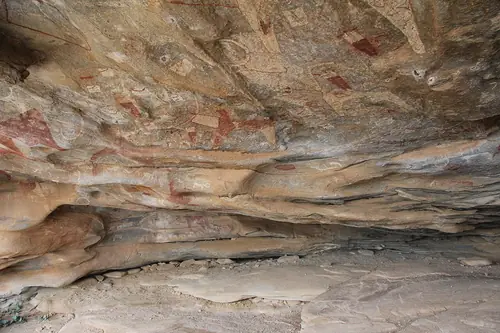
Somalia has a long history of Indian Ocean trading towns, such as Mogadishu's old quarters, and one of the region's richest traditions of oral poetry. In Somaliland, the rock paintings of Laas Geel near Hargeisa are among the best preserved in East Africa, and the port of Berbera recalls centuries of trade on the Gulf of Aden.
We will update this guide if the official advice changes.