 AfriqueUnie
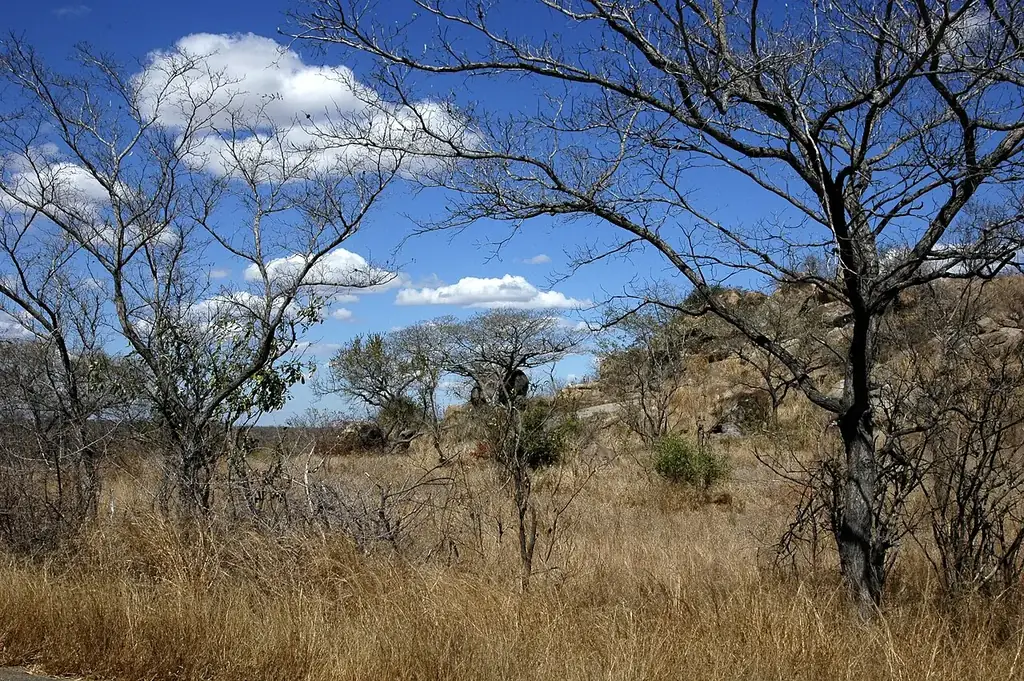 Photo: Amada44 · Public domain
Published by Adama Doumbia, founder of Afrique Unie · updated 28 November 2026 · our method and sources
Daily budget
These figures are rough guides per person per day, excluding international flights. They cover accommodation, meals, local transport and a few visits.
Low budget: allow around €45 to €70, staying in hostels or campsites, with simple meals and a shared hire car. Mid-range: around €100 to €180, in guesthouses or good hotels, with a car, restaurants and park fees. High end: from €300, and considerably more in private reserve lodges, where the nightly rate usually includes meals and game drives.
What is expensive and what costs very little
- Accommodation: There is plenty of choice and prices stay moderate outside safari lodges. Cape Town and the Garden Route cost more in the southern summer, from December to February.
- Meals: Eating out is often cheaper than in Europe. Supermarkets make self-catering inexpensive.
- Car hire: The most practical way to get around. Allow around €25 to €50 a day for a small car, excluding fuel and extra insurance.
- National parks: Each park charges a daily conservation fee, which is higher for foreign visitors. Rates change every year: check sanparks.org.
- Safari: Driving yourself through Kruger National Park remains affordable. Private reserves are the largest cost of a trip.
- Domestic flights: The country is large. Flying between Johannesburg and Cape Town saves two days on the road but adds to the bill.
Money: rand, cards and tipping
The currency is the South African rand (ZAR). The exchange rate moves a lot, so check it before you leave. Visa and Mastercard are accepted almost everywhere, including petrol stations and parks. Cash machines are easy to find. Use those inside banks or shopping centres where you can.
Keep some cash for markets, minor toll roads and tips. In restaurants it is customary to leave 10 to 15% if service is not included. Car guards and petrol attendants are given a few rand.
Visa and passport
Information checked in November 2026. Rules can change, so check them before you book.
French nationals do not need a visa for a tourist stay of under 90 days. The same applies to Belgian, Swiss, British and Canadian nationals and to citizens of most European Union countries. If you hold another nationality, check with the South African embassy.
Your passport must be valid for at least 30 days after the date you leave the country and have at least two blank pages. The French foreign ministry states that travellers who do not meet these conditions are turned back on arrival.
Since 1 July 2026, every traveller, including children, must complete an online declaration for South African customs, both on entry and on exit. It is done on the official website sars.gov.za. According to the information published at launch, it is free: be wary of paid intermediary sites.
The Electronic Travel Authorisation (ETA), launched in August 2026, is aimed at nationalities that need a visa. According to the sources we consulted, it is not required of visa-exempt travellers. The scheme is changing quickly: check dha.gov.za before you travel.
Children travel on their own passport. If a child travels with only one parent or without their parents, supporting documents (birth certificate, parental consent) may be requested. Sources disagree on the exact list: ask the embassy.
Health and vaccines
No vaccine is required if you arrive from Europe. A yellow fever vaccination certificate is required of travellers over one year old arriving from a country with a risk of transmission, or who have spent more than twelve hours in transit there.
Malaria is present in the north-east: Kruger National Park and the low-lying parts of Limpopo and Mpumalanga, and northern KwaZulu-Natal. The risk is higher in the rainy season. Cape Town, the Garden Route and Johannesburg are not affected. See a doctor or a travel clinic to find out whether preventive treatment makes sense for you.
Before you go: the checklist
- Passport: Valid for 30 days after departure, with two blank pages, for every traveller.
- Online declaration: To be completed on sars.gov.za before you arrive, then again before you leave.
- Children: Their own passport, plus supporting documents if one parent is absent.
- Health: A medical appointment a few weeks before departure if you are going to Kruger.
- Insurance: Travel insurance covering medical costs and repatriation.
- Where to check: France Diplomatie (diplomatie.gouv.fr, Conseils aux voyageurs), gov.uk (foreign travel advice), dha.gov.za and sars.gov.za.

