AfriqueUnie
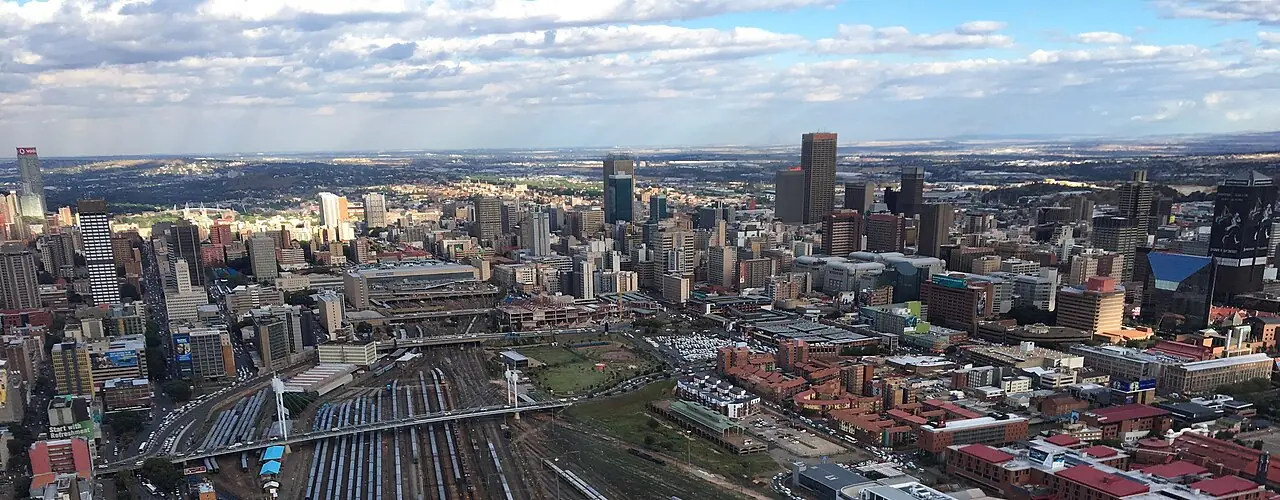 Photo: Mark Hillary · CC BY 2.0
Published by Adama Doumbia, founder of Afrique Unie · updated 28 November 2026 · our method and sources
Why visit Johannesburg?
Johannesburg, Joburg or Jozi to its friends, was born of the gold rush at the end of the 19th century, when vast deposits were discovered beneath the Witwatersrand. In a century the miners' camp became the economic capital of southern Africa, a sprawling metropolis of several million people, set at around 1,750 metres and shaded by millions of trees planted by human hand.
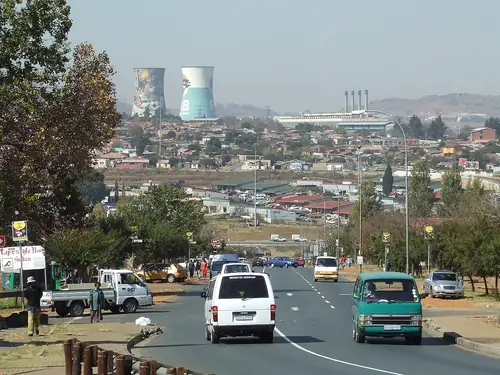
Long considered a no-go and often reduced to a mere airport stopover, Johannesburg nonetheless deserves a stay. This is where you best understand the country's recent history: at the Apartheid Museum, on Constitution Hill, a former prison now home to the Constitutional Court, and in Soweto, the great township where the 1976 student uprising broke out, and where Mandela and Desmond Tutu both lived on the same street.
Joburg is also the most creative city in the country. The regenerated districts of Maboneng and Braamfontein are bursting with galleries, street art, weekend markets and bars. The music scene, from jazz clubs to amapiano, is in full swing. You do need to stay alert to your safety, but the city's energy is infectious.
Things to do in Johannesburg: 6 ideas
- 01Apartheid MuseumAllow two to three hours for this deeply moving museum, which traces the history of segregation and the struggle against it.
- 02Soweto on an organised tourSee the township on a tour run by an agency, or stick to the Mandela and Tutu houses on Vilakazi Street and the Hector Pieterson Museum, as French government advice recommends.
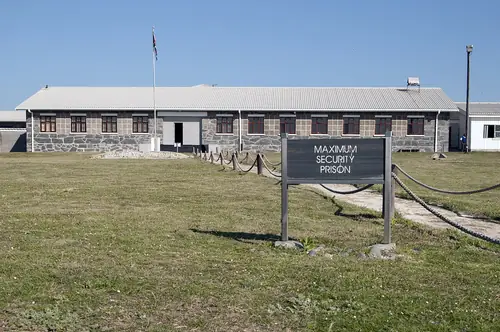
- 03Constitution HillVisit the former prison fort where Gandhi and Mandela were held, now a symbol of democracy.
- 04MabonengExplore the galleries, studios and street art of this regenerated district east of the centre by day, ideally with a guide, and stay very alert: the French government reports frequent, sometimes violent, thefts here.
- 05Braamfontein marketOn Saturdays, enjoy the covered market of designers and street food on a rooftop in the district.
- 06Cradle of HumankindAn hour's drive away, visit the Sterkfontein Caves and the Maropeng centre, a major site in human evolution.
Where to stay in Johannesburg
The northern suburbs, such as Rosebank, Parktown North and Melrose, are the most popular with travellers: safe, leafy and well served by the Gautrain, with hotels, guesthouses and shopping centres. Sandton is the business district, very practical but short on charm. Melville and Parkhurst have a village feel, with cafés and restaurants, although in Melville the French government urges extra vigilance because of a high risk of violent assault. Maboneng and Braamfontein appeal for their creative edge, but the French government urges great vigilance there (thefts are frequent in Maboneng): stay in the northern suburbs instead and do not walk around after dark.
See places to stay in Johannesburg
Frequently asked questions
How many days should you spend in Johannesburg?
Two to three days are enough for the Apartheid Museum, Constitution Hill, an organised tour of Soweto and one of the creative districts. Add a day for the Cradle of Humankind or Pretoria. Many travellers then head on to Kruger National Park, reachable by air or in a day's drive.
How do you get from OR Tambo airport into the city?
The Gautrain express links the airport with Sandton in about 15 minutes, with connections to Rosebank, Park Station and Pretoria, and it is the option French government advice recommends. It does not run at night, so for a late arrival book a transfer through your accommodation or stay at an airport hotel. Do not use the airport cash machines, refuse any taxi you have not booked, and do not walk to or from Gautrain stations after dark.
Is Johannesburg dangerous?
The city requires a high level of vigilance: the French government reports frequent, sometimes violent, thefts and muggings and many carjackings in Gauteng province. It advises avoiding Hillbrow, Berea, Alexandra, Yeoville and the old city centre (except Newtown), being very careful in Maboneng and Melville, and not walking anywhere after dark. Soweto should be visited on a tour run by an agency, or by sticking to the Mandela and Tutu houses and the Hector Pieterson Museum.
How do you get around Johannesburg?
The safest approach is to combine the Gautrain between Sandton, Rosebank, Park Station and Pretoria with rides booked through a recognised app, or taxis booked by phone. Avoid minibus taxis, which French government advice says not to use, as well as bus stations and minibus ranks, especially after 5pm. When driving, keep the windows up, the doors locked and nothing visible inside the car.
When is the best time to visit Johannesburg?
Any time of year: at around 1,750 metres the city has a pleasant highland climate. From May to August winter is dry and sunny with cold nights, while October to March is hot, with late-afternoon thunderstorms. In October jacarandas bloom across the region, especially in Pretoria.


 South Africa