Safaris in Kruger, Table Mountain, the Winelands, the Garden Route and whale watching at Hermanus: the Rainbow Nation is one of the most complete destinations in the world.
Capital
Pretoria (executive) · Cape Town (legislative) · Bloemfontein (judicial)
Best time to go
May to September (safari), November to March (Cape Town) · month by month
Few countries let you, in a single trip, track a leopard at dawn in the bush, sip a chenin blanc at the foot of purple mountains, watch whales from a clifftop and walk in the footsteps of Nelson Mandela. South Africa does, and with logistics that make everything easy: roads in good condition, a hugely varied range of accommodation, remarkably well-organised parks and the freedom to travel independently in a hire car. It is probably the most accessible destination on the continent for a first trip, though by no means the easiest to sum up.
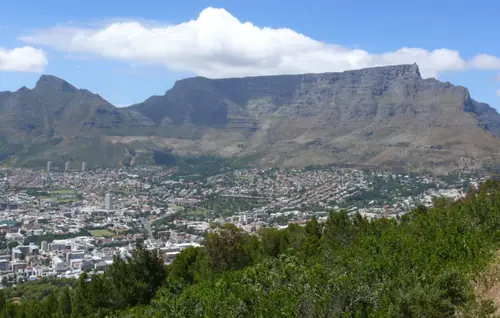
The landscapes change completely from one province to the next. In the west, the Cape region unrolls its Dutch-founded vineyards, its beaches pounded by the cold Atlantic and the fynbos, a vegetation found nowhere else on earth, made up of proteas and heaths. Further east, the Garden Route strings together lagoons, forests and cliffs along the Indian Ocean. In the north-east, Kruger National Park and the neighbouring private reserves offer some of the best safaris in Africa, while the Drakensberg raises its basalt ramparts above the Zulu valleys. Add the Karoo desert, the Wild Coast of the Eastern Cape and the red dunes of the Kalahari, and the country seems to go on for ever.
Finally, South Africa is a fascinating society, still deeply marked by apartheid and its inequalities, but full of a rare creative energy. You feel it in Johannesburg's galleries, in Durban's curry-scented markets, in Cape Malay cooking, in the choirs and the amapiano beats that ring out at weekends. Twelve official languages, African, European and Asian heritages intertwined: travelling here also means understanding a nation that is still building itself. Genuine vigilance about crime, especially in the cities, is part of the trip, but it should not stop you enjoying it.
History and culture
South African soil holds some of the oldest evidence of human history, such as the fossils of the Cradle of Humankind near Johannesburg. The ancestors of the San and Khoikhoi peoples have lived here for millennia, and Bantu-speaking peoples gradually settled in the east and north. In 1652 the Dutch East India Company founded a supply station at the Cape; the British took control of the colony at the beginning of the 19th century. The discovery of diamonds at Kimberley, then of gold on the Witwatersrand, turned the country upside down and led to the Anglo-Boer War at the end of the century.
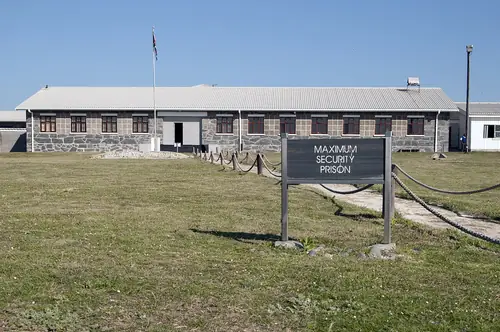
In 1948 the National Party introduced apartheid, a system of institutionalised racial segregation. Resistance, led notably by the ANC, met with fierce repression: Nelson Mandela spent twenty-seven years in prison, much of it on Robben Island. Released in 1990, he became the first president elected by universal suffrage in 1994, ushering in the era of the Rainbow Nation.
8 experiences not to miss in South Africa
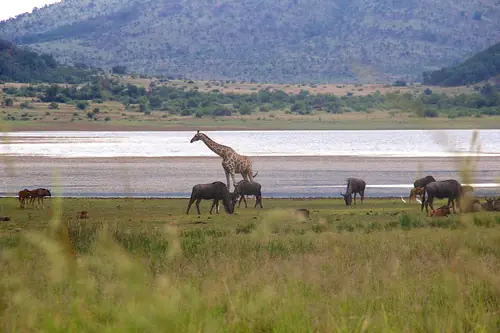
Photo : Amada44 · Public domain01Self-drive safari in the KrugerHire a car and roam the park's roads at your own pace, from camp to camp, on the lookout for the Big Five.
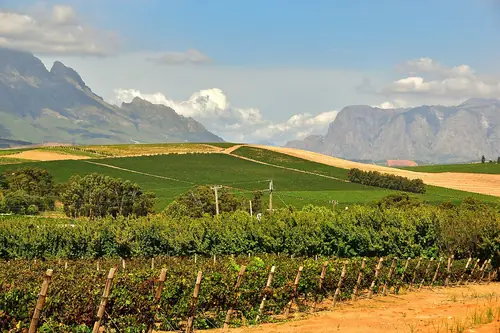
Photo : Matthias Bethke · CC BY-SA 4.003Wine tasting in Stellenbosch and FranschhoekTour the wine estates with their white Cape Dutch homesteads, set between mountains and vines.
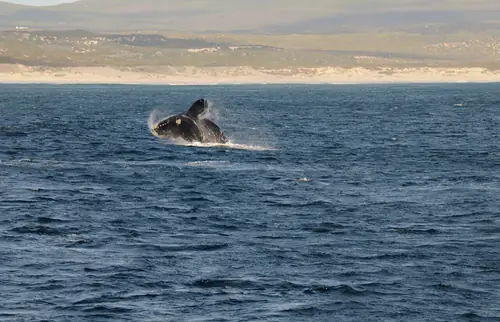
Photo : Josep M. Gracia · CC BY-SA 4.004Whales at HermanusBetween July and November, watch from the cliffs as southern right whales come into the bay to breed.
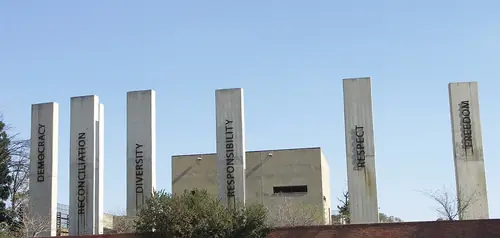
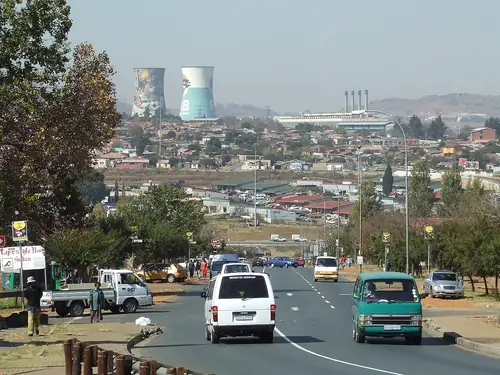
Photo : NJR ZA · CC BY-SA 3.005Soweto and the Apartheid MuseumGet to grips with the country's history in Johannesburg, then walk down Vilakazi Street, where Mandela and Desmond Tutu both lived.
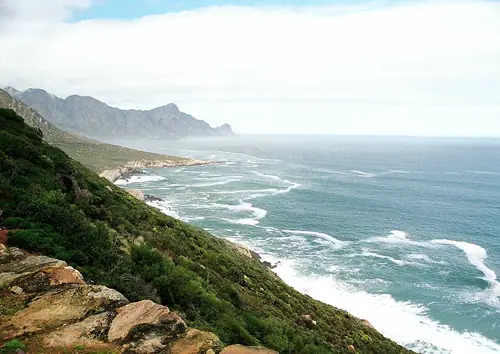
Photo : Moongateclimber · CC BY-SA 3.006The Garden RouteDrive between Mossel Bay and the Tsitsikamma forest, stopping off at lagoons, beaches and coastal villages.
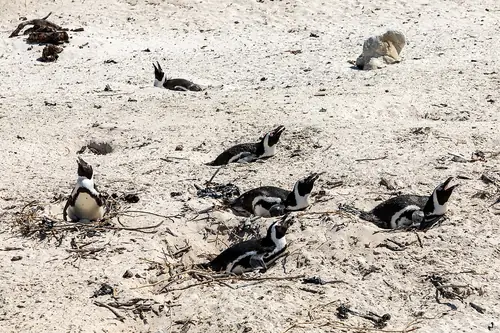
Photo : Dietmar Rabich · CC BY-SA 4.007Penguins at Boulders BeachWatch the colony of African penguins on the rocks and white sand near Simon's Town.
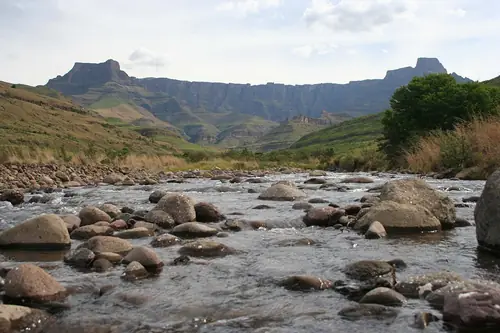
Photo : Bothar · Public domain08Hiking in the DrakensbergSet off on foot below the Amphitheatre or through valleys adorned with San rock paintings.
When to go to South Africa
South Africa can be visited all year round, but not everywhere in the same way. For safaris in the Kruger and the north-east, the dry season, from May to September, is ideal: the vegetation is sparse, animals gather around water holes and the risk of malaria drops. Winter mornings there are chilly, the days sunny. The Cape region, with its Mediterranean climate, is at its best from November to March, hot and dry, while the southern winter brings rain and wind. September and October see Namaqualand burst into flower. The Durban coast stays mild all year round, more humid in summer. South African school holidays, notably in December and January, push up demand.
Getting around
A hire car is the best way to discover the country: well-maintained roads, clear signage, driving on the left. Avoid driving at night, because of animals, pedestrians and the risk of crime, and leave nothing visible in the vehicle. Domestic flights, numerous and affordable, quickly link Cape Town, Johannesburg, Durban and the airports near the Kruger. In town, ride-hailing apps are widely used and often safer than taxis hailed in the street. In Johannesburg, the Gautrain rapid rail links the airport with Sandton and Pretoria. The ubiquitous shared minibus taxis are not really recommended for unaccompanied travellers. Comfortable long-distance coaches also link the major cities.
Etiquette and customs
South Africans are generally warm and direct, and appreciate it when you take time to greet them before getting down to business. Learning a few words such as “sawubona” in Zulu or “molo” in Xhosa always goes down well. Tipping is the norm: around 10 to 15 per cent in restaurants, and a few coins for the car guards who keep an eye on your parking spot and for the petrol attendants who fill your tank. Race remains a sensitive issue: listen more than you judge. In the townships, opt for a tour led by residents rather than a coach tour. Stay alert to your safety: avoid flashing valuables and your phone, and find out which areas to avoid in the evening.
Food and drink in South Africa
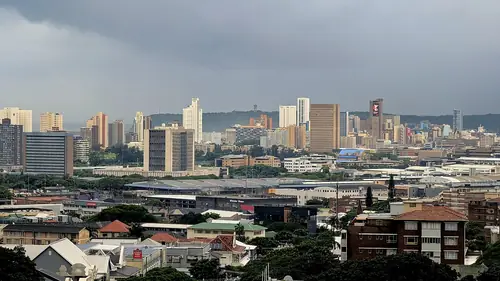
South African food tells the country's story. The braai, a wood-fire barbecue, is almost a national institution: boerewors, a spiced coiled sausage, lamb chops and corn on the cob are grilled over it, served with pap, a maize porridge, and chakalaka, a spicy vegetable relish. Bobotie, a legacy of the Cape Malay community, is a bake of minced meat fragrant with curry and dried fruit, topped with an egg custard. In Durban, bunny chow, a hollowed-out half-loaf filled with curry, bears witness to the Indian presence. People snack on biltong, dried meat, round off a meal with malva pudding and wash it all down with Cape wines or rooibos tea.
mid-June 2027: the organisers and the Sports Minister have announced Sunday 13 June 2027, but the race is not sanctioned by Athletics South Africa (dispute ongoing) · Pietermaritzburg – Durban (KwaZulu-Natal)
The best time to visit South Africa: May to September (safari), November to March (Cape Town).
What should I see first in South Africa?
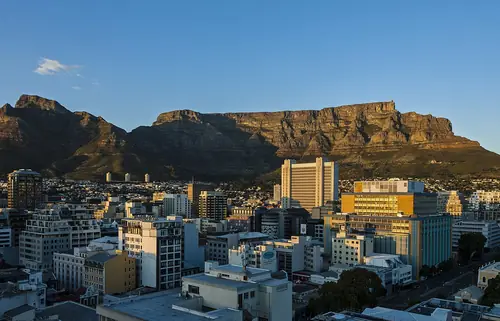
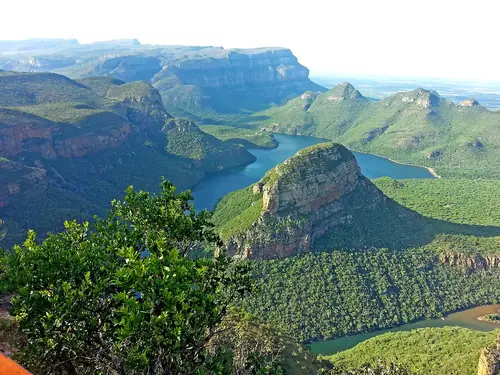
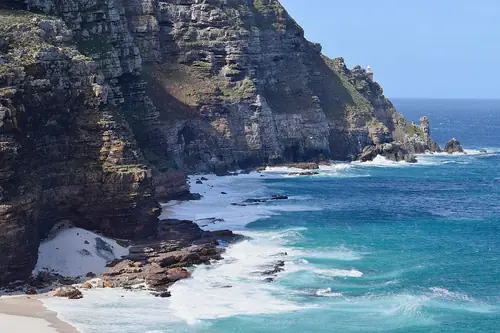
The must-sees: Kruger National Park, Table Mountain, Garden Route, Blyde River Canyon, Drakensberg, Robben Island, Cape of Good Hope and Cape Point, Soweto, Stellenbosch Winelands, Pilanesberg National Park.
How much should I budget for a trip to South Africa?
Mid-range: around €60–120 per person per day, excluding flights. This is only a guide and depends above all on the accommodation and activities you choose.
What currency and languages are used in South Africa?
Currency: South African rand (ZAR). Languages: English, Zulu, Xhosa, Afrikaans….
How do I get to South Africa?
The main international airport has the code JNB. Compare flights with the ‘Flights’ button on this page.
Do I need a visa to visit South Africa?
Entry requirements depend on your nationality and change regularly. Check them on the country's official website or with your foreign ministry before booking, and make sure your passport is valid.
What should I eat in South Africa?
Dishes to try while you're there: Braai, bobotie, bunny chow.
Domestic flights (FlySafair, Airlink, South African Airways, Lift) quickly link Johannesburg, Cape Town, Durban, Port Elizabeth (Gqeberha) and the Kruger area. The Gautrain connects O. R. Tambo airport with Sandton, Johannesburg and Pretoria; long-distance Shosholoza Meyl trains, however, are suspended, and only luxury trains (Blue Train, Rovos Rail) run on those routes. Long-distance buses (Intercape, Greyhound) cover the country well, while minibus taxis, though widespread, are less suited to visitors. Uber and Bolt operate in the big cities, and renting a car is ideal for the Garden Route or the Kruger; traffic drives on the left.
Health and safety
Yellow fever
Certificate required only if you arrive from, or transited through, a country with a risk of yellow fever (from 1 year, incl. airport transits over 12 h); vaccine generally not recommended.
Malaria
Present in some areas (north-east: Limpopo, Mpumalanga, incl. Kruger National Park, northern KwaZulu-Natal): ask a doctor depending on your itinerary.
Water and food
Unless your accommodation says otherwise, drink sealed bottled or filtered water, and wash your hands often.
Sources: France Diplomatie, Viaggiare Sicuri, Belgian Foreign Affairs, GOV.UK, checked in November 2026. All 54 countries
Entry requirements (visas, vaccinations) and security conditions change regularly: check them with the official authorities before booking. Official tourism website: South African Tourism.
Affiliate cookiesWe would like to load a script from our partner Travelpayouts. It may set cookies so that we receive a commission when you book through our links, at no extra cost to you. If you decline, the site works in exactly the same way. Find out more
 AfriqueUnie
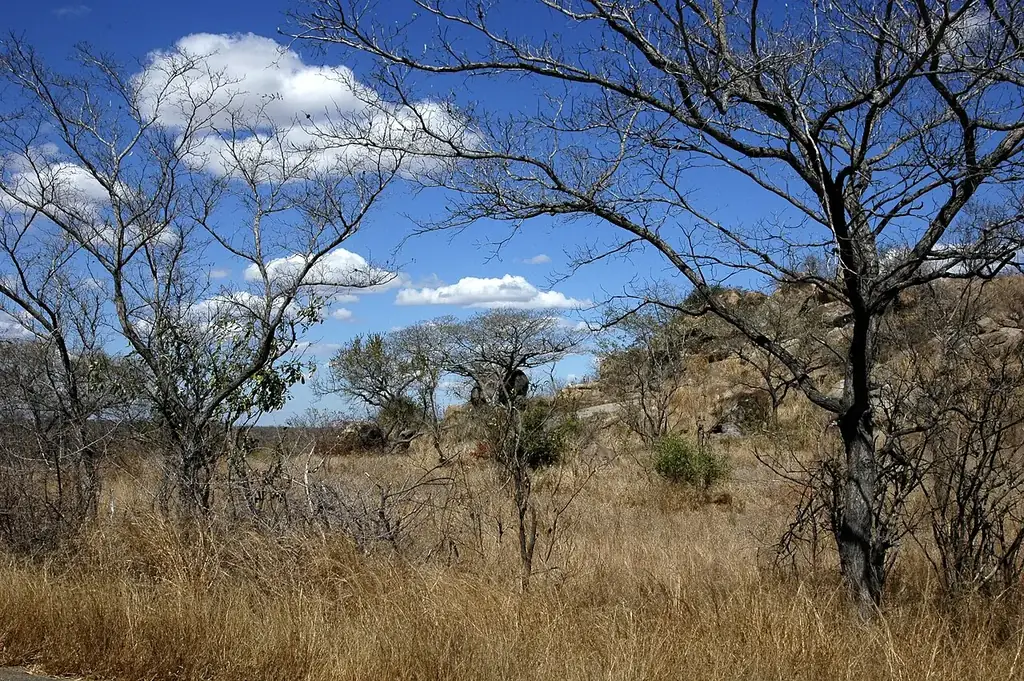 Photo: Amada44 · Public domain
 South Africa


 South Africa or Namibia


 South Africa or Botswana
 Eswatini
 Lesotho
 Malawi
 Mozambique
 Zambia
 Zimbabwe