AfriqueUnie
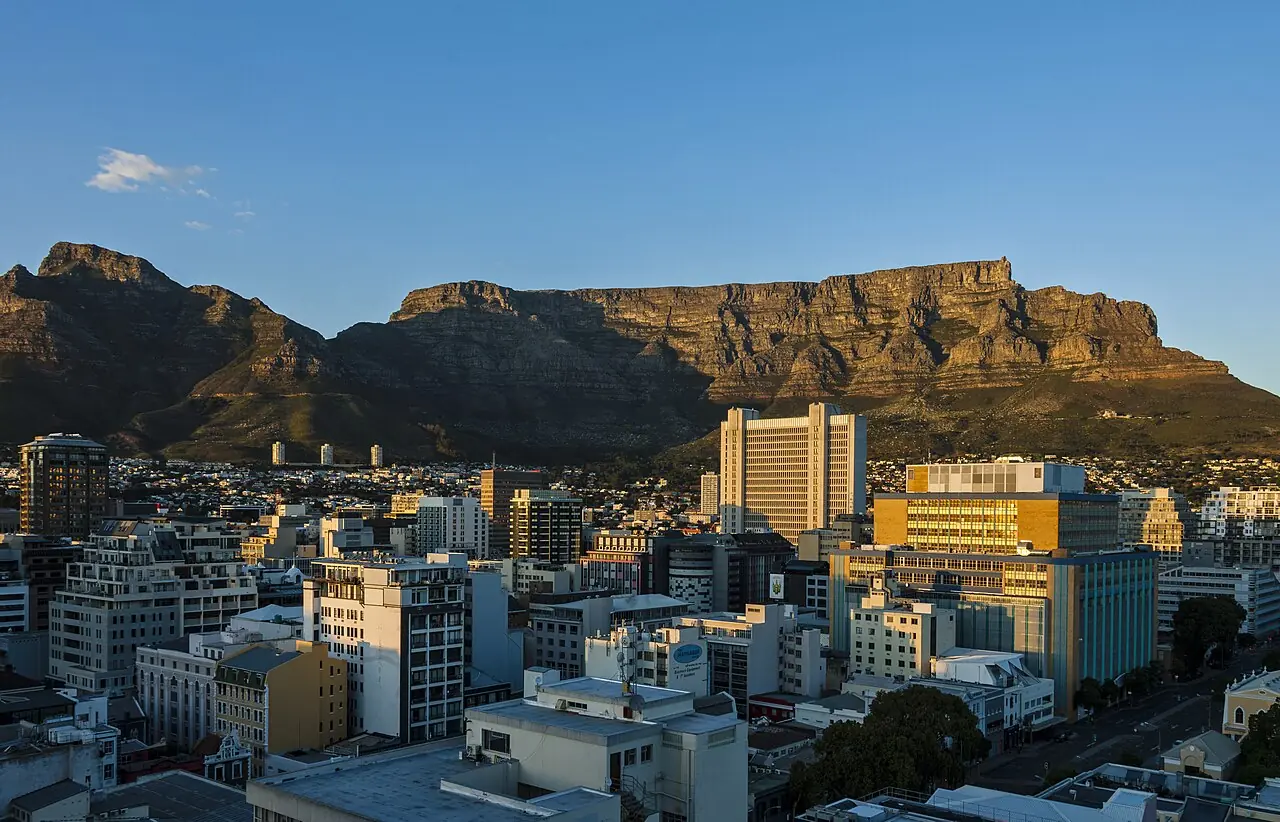 Photo: Daniel Case · CC BY-SA 3.0
Published by Adama Doumbia, founder of Afrique Unie · updated 28 November 2026 · our method and sources
Why visit Cape Town?
Few cities in the world enjoy such a setting. Cape Town sprawls at the foot of Table Mountain, whose sheer-sided plateau towers over the central districts, between Table Bay and the slopes of Lion's Head and Devil's Peak. The country's Mother City, founded by the Dutch in 1652, mixes colonial architecture, Victorian houses, skyscrapers and the colourful houses of the Bo-Kaap, beneath a bright light often swept by the south-easterly wind, the Cape Doctor.
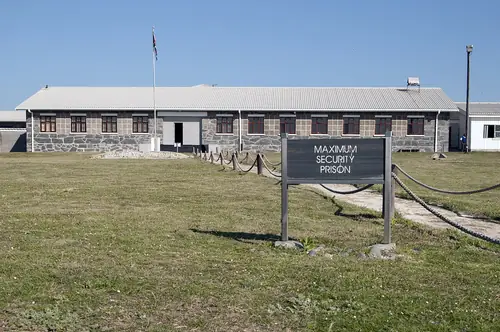
Cape Town is lived outdoors. You climb Lion's Head in a group late in the day, coming down before dark, run along the Sea Point promenade, surf at Muizenberg and sunbathe at Clifton or Camps Bay, even though the Atlantic water stays icy. The V&A Waterfront, a redeveloped harbour, is packed with museums and restaurants and is the departure point for boats to Robben Island, the prison island where Mandela was held.
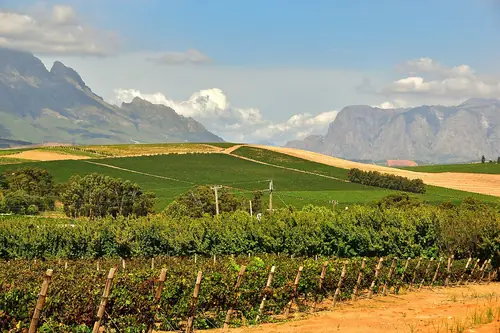
The city is also the gateway to the Cape Peninsula, with Chapman's Peak Drive, the penguins of Boulders Beach and the Cape of Good Hope, as well as to the Winelands of Stellenbosch, Franschhoek and Paarl, less than an hour away. But Cape Town remains scarred by deep inequality: the townships of the Cape Flats are a reminder that the city is far from the same for everyone.
Things to do in Cape Town: 6 ideas
- 01Bo-KaapWalk the steep streets with their apple-green, pink and turquoise façades in the old Cape Malay quarter by day, ideally with a guide, then try a local curry; stay alert, as thefts and muggings have been reported here.
- 02Robben IslandTake the boat from the Waterfront to visit the former prison, often guided by former political prisoners.
- 03Kirstenbosch National Botanical GardenStroll along the elevated walkway among the proteas, at the foot of Table Mountain's eastern slopes.
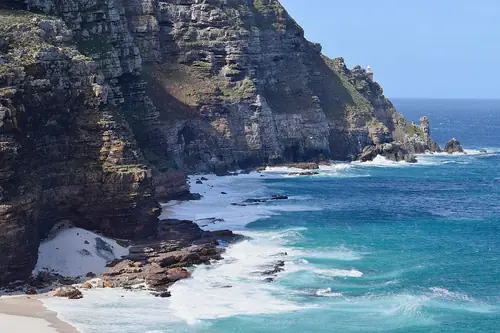
- 04Cape PeninsulaDrive via Chapman's Peak to the Cape of Good Hope, stopping off to see the penguins at Boulders Beach.
- 05Lion's Head late in the dayClimb this conical peak in a group, never alone, in about an hour for the view over the ocean and the city, and come down before dark: hikers have been attacked here.
- 06Zeitz MOCAADiscover contemporary African art in a spectacularly converted former grain silo.
Cape Town in 3 days: the perfect itinerary
Where to stay in Cape Town
The City Bowl, the centre nestled against the mountain, and neighbouring areas such as Gardens and Tamboerskloof offer guesthouses, apartments and a neighbourhood feel, close to the restaurants of Bree Street. The Waterfront and De Waterkant are convenient and very safe, but more touristy and more expensive. Sea Point, Green Point and Camps Bay win people over with their seafronts and sunsets. For a more bohemian vibe, Woodstock is full of studios and markets, though the French government urges vigilance there day and night, while Muizenberg and Kalk Bay, on the False Bay coast, move at the pace of a seaside village.
See places to stay in Cape Town
Frequently asked questions
How many days do you need in Cape Town?
Allow at least four to five days to see the city, Table Mountain and the Cape Peninsula without rushing. A week lets you add a day or two in the Winelands and keep some slack for windy or cloudy days, which are common on the mountain. The cable car stops running when the wind is too strong.
How do you get from the airport to central Cape Town?
The international airport is about 20 km from the centre, roughly half an hour by road outside rush hour. French government advice is to arrange your transfer in advance (accommodation pick-up or a ride booked through a secure app), to arrive in daylight where possible and to turn down taxis waiting outside the terminal. If you hire a car, stay on the N2 motorway without stopping and do not let a GPS send you onto side roads.
Is Cape Town safe for tourists?
Cape Town calls for heightened vigilance: the French government applies this level to all of South Africa and reports frequent thefts and muggings in the city. Avoid going out alone after dark, especially around Long Street, and stay alert day and night in Woodstock, Observatory and the Bo-Kaap. As hikers have been attacked on Table Mountain and Lion's Head, hike in a group, never alone; as for the Cape Flats townships, official French advice is to avoid them and never to go without a guide who knows the area very well.
When is the best time to visit Cape Town?
From November to March the southern summer brings dry, sunny weather and long evenings, but also the south-easterly wind and the biggest crowds. Autumn (March to May) and spring (September to November) are milder and quieter, with wild flowers on the West Coast towards the end of winter. June to August is the rainy season, but also the time when whales come close to the coast.
What can you do on a day trip from Cape Town?
The two classic outings are a loop of the peninsula via Chapman's Peak, Boulders Beach and the Cape of Good Hope, and a day in the Winelands of Stellenbosch, Franschhoek or Paarl, returning before dark. From around June to November, Hermanus, about an hour and a half away, is famous for whale watching from the shore. Near the Cape of Good Hope, do not swim at Diaz Beach, where the French government warns of very strong currents.




 South Africa