AfriqueUnie
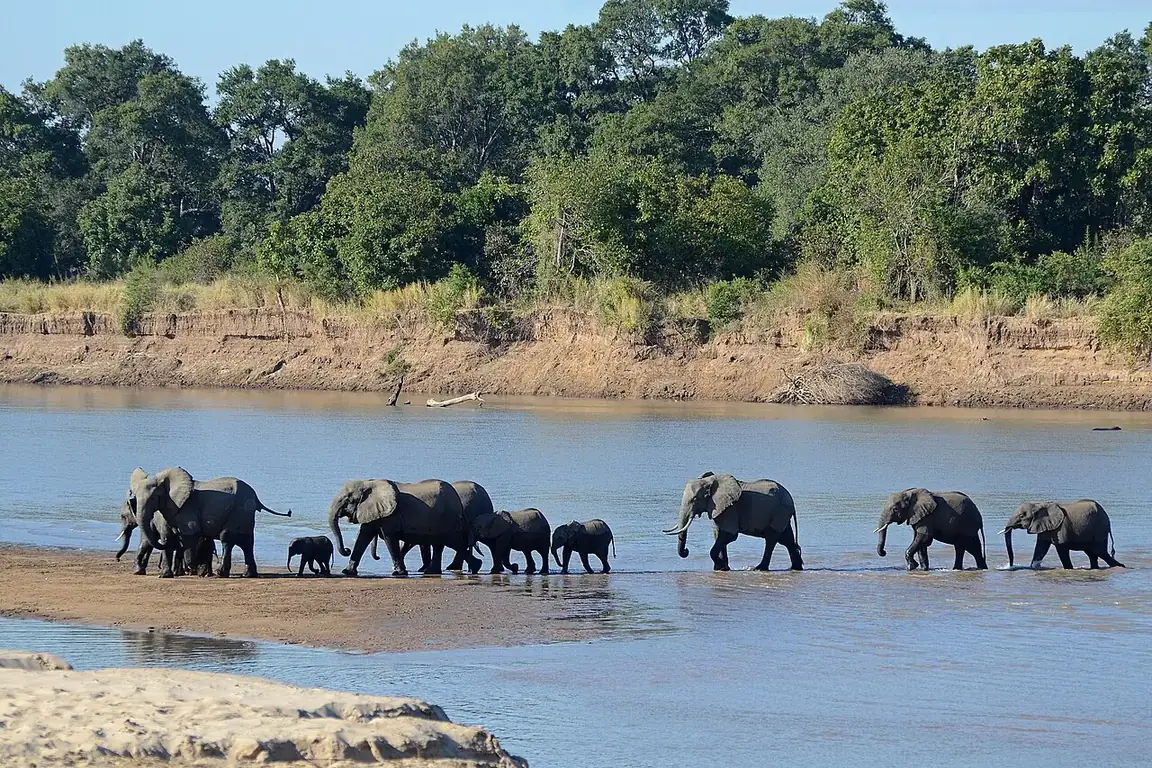 Photo: Geoff Gallice · CC BY 2.0
Published by Adama Doumbia, founder of Afrique Unie · updated 28 November 2026 · our method and sources
Daily budget
These are rough figures per person per day, excluding the international flight. They cover accommodation (two people sharing a room), meals and local transport.
On a tight budget, allow roughly €50 to €80, staying in hostels or campsites, eating simply and taking buses between towns. For a comfortable trip, allow about €200 to €400 while on safari in a mid-range lodge, activities included. At the top end, allow €600 or more, and often far more in remote camps reached by light aircraft.
Away from the parks, in Lusaka or Livingstone, everyday life is much cheaper. Many camps close or scale down in the rainy season, roughly November to April.
What is expensive and what costs next to nothing
- Safari camps: The biggest cost: the nightly rate usually includes meals, game drives or walks and a guide. Compare what is included, park fees in particular.
- National parks: South Luangwa, the Lower Zambezi, Kafue and the Zambian side of Victoria Falls charge entry fees per person per day. Fees are set by the Department of National Parks and Wildlife (DNPW) and change.
- Domestic flights: Distances are long and roads can be poor: flights to Mfuwe or bush airstrips save time but are expensive.
- Livingstone activities: Rafting, scenic flights and trips to the Falls are paid separately, often in dollars.
- Everyday spending: Markets, local meals and minibuses stay cheap.
Money: kwacha, cards and dollars
The currency is the Zambian kwacha (ZMW), the main means of payment. Some businesses, especially lodges and tour operators, quote or accept US dollars, but check before relying on it.
According to the French foreign ministry, Visa is the most widely used card for payments and withdrawals; Mastercard works in shops but only some banks' cash machines accept it. Card skimming has been reported at cash machines in Lusaka: use those inside banks. Keep cash for the bush.
Mobile money is widely used locally, but it needs a registered local line, which you get with ID. The 25-dollar departure tax is normally included in your air ticket; if not, it is paid in kwacha. Tipping is expected on safari, for guides and camp staff.
Visa and passport
Information checked in November 2026. These rules can change: read the official sources again before you travel.
British passport holders do not need a visa, and French citizens have no visa to apply for in advance, with fees waived for them since November 2022. Tourists may stay for a total of 90 days in any 12-month period. The French foreign ministry warns that officers often grant only 30 days, which you extend free of charge at an immigration office before they run out. Overstaying is punished severely: check your stamp.
You may be asked for a return or onward ticket and proof of funds. Passport: the UK government says it must be valid for at least six months after you arrive, with at least two blank pages; the French ministry counts six months from the end of your stay, so allow a margin. Other EU, Swiss and Canadian nationals should check their own rules.
KAZA Univisa: this 50-dollar visa, valid for 30 days, covers Zambia and Zimbabwe plus day trips into Botswana via Kazungula. It is available at Lusaka and Livingstone airports and at the Livingstone and Kazungula borders. For British and French visitors it only saves buying a Zimbabwean visa: compare the prices.
Health and vaccinations
Yellow fever: a vaccination certificate is required from the age of one if you arrive from a country where the disease is present, including after an airport transit of more than 12 hours. In principle it is not required for a direct flight from Europe. The vaccine is generally not recommended; the US CDC says it may be considered for North-Western and Western provinces.
Malaria is present throughout the country, with a higher risk in the rainy season. Bite avoidance and preventive medication should be decided with a doctor.
Check your routine vaccines and ask about hepatitis A, typhoid and rabies. Health screening may be introduced on arrival during regional outbreaks, Ebola in particular: check the official sources. Hospitals are far from the parks: evacuation cover is essential.
Before you go: the checklist
- Passport: Six months' validity, counted from the end of your stay to be safe, and at least two blank pages.
- Entry stamp: Check how many days you were given and extend in time if needed.
- Bookings: Camps, domestic flights and transfers several months ahead for the dry season.
- Health: See a doctor about malaria; a yellow fever certificate if you are coming from a country at risk.
- Official sources: The Zambia page on gov.uk/foreign-travel-advice and the Zambie page of « Conseils aux voyageurs » on diplomatie.gouv.fr: France advises against non-essential travel close to the northern borders.
- Caution: Avoid driving or walking after dark, and stay alert between Livingstone and the Falls, where muggings have been reported.