AfriqueUnie
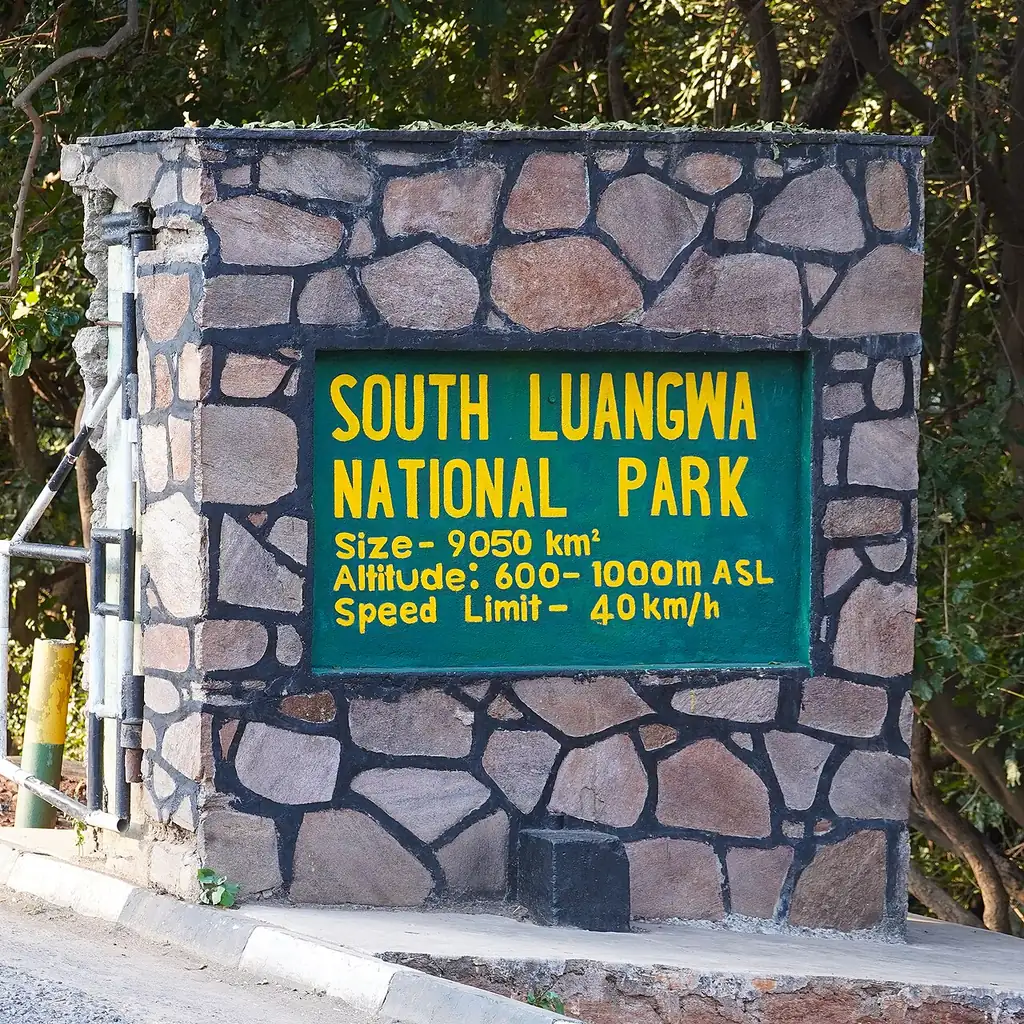 Photo: Timothy A. Gonsalves · CC BY-SA 4.0
Published by Adama Doumbia, founder of Afrique Unie · updated 28 November 2026 · our method and sources
Why visit Mfuwe?
Mfuwe is not a town in the strict sense, but a string of villages, stalls and markets stretched along the road linking the airport to the Luangwa River. Yet it is one of the best-known names among safari lovers in southern Africa: here lies the main entrance to South Luangwa National Park, renowned for its leopards, huge pods of hippos and walking safaris, a tradition born in the valley in the mid-20th century. The bridge over the Luangwa marks the border between the world of villages and that of wildlife.
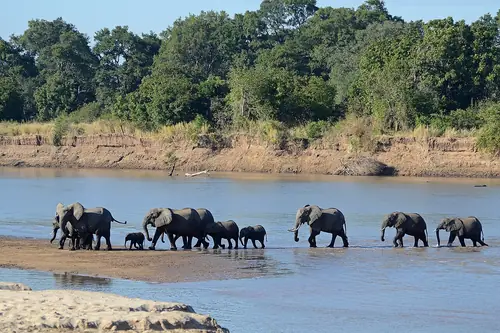
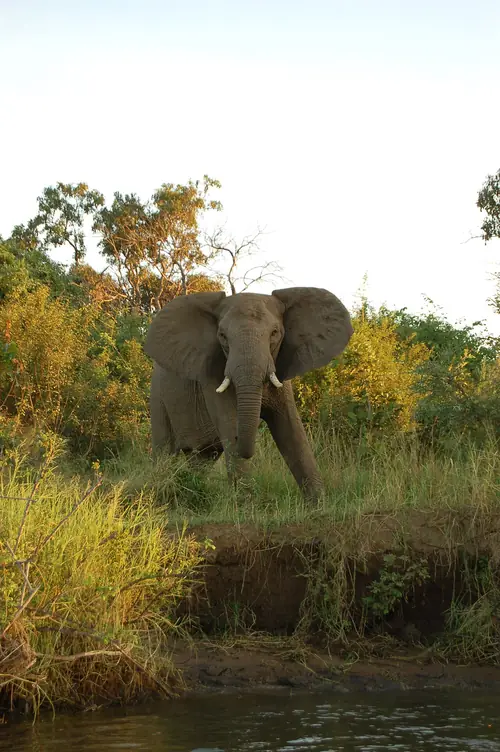
Most travellers only pass through Mfuwe between the airport and their camp. Taking time to stop, however, reveals the life of the valley: lively markets, workshops where textiles are painted and printed by hand, and villages that welcome visits run by the community. Elephants know nothing of park boundaries and happily wander through villages and lodges, especially during the mango season at the end of the year.
Things to do in Mfuwe: 6 ideas
- 01Game drivesExplore the plains and banks of the Luangwa in search of leopards, lions, Thornicroft's giraffes and zebras.
- 02Walking safarisWalk with a guide and an armed ranger in the valley that made this practice famous.
- 03Night drivesHead out at dusk, spotlight in hand, to watch big cats, hyenas and small nocturnal carnivores.
- 04Textile workshopsWatch fabrics inspired by wildlife and Zambian patterns being hand-painted and printed.
- 05A village visitDiscover everyday life in the valley on a visit organised with the local community.
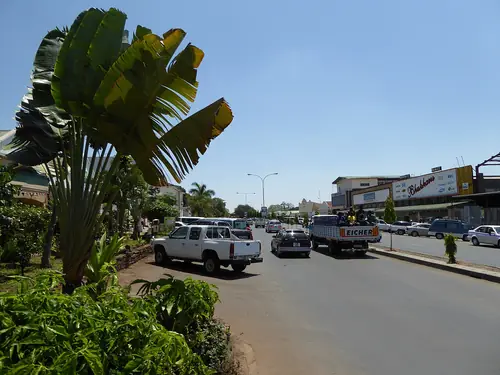
- 06Mfuwe marketStroll among stalls of fresh produce, fabrics and small shops along the road.
Where to stay in Mfuwe
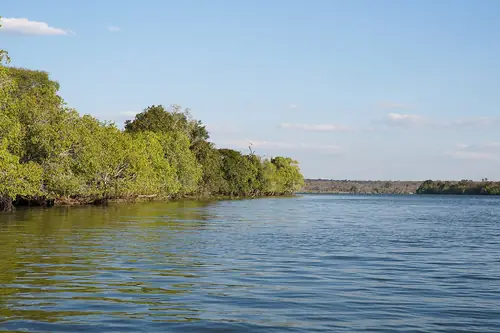
Most accommodation lies along the east bank of the Luangwa, on either side of the main bridge: lodges, tented camps and campsites, often overlooking the river and its hippos. It is the most practical area, a few minutes from the park gate. More remote camps, inside or on the edge of the park, offer a wilder experience but involve long transfers. Travellers on a tight budget will find campsites and simple chalets near the bridge.
Frequently asked questions
How many days should you spend in Mfuwe?
Plan at least three nights, ideally four: there are usually two outings a day, one in the morning and one in the late afternoon running on after dark, and the best sightings take time. Add a night or two if you want a multi-day walking safari in the dry season.
How do you get to Mfuwe?
Flying is easiest: flights link Lusaka with Mfuwe Airport in roughly an hour to an hour and a half, followed by 30 to 45 minutes by road to the river. By road it is a very long day from Lusaka via Chipata, or a two-day trip; never drive at night, as French government advice recommends. From Lilongwe in Malawi the road via Chipata is much shorter.
Are night drives and walking safaris allowed in South Luangwa?
Yes: lodges run night drives with spotlights, and the valley is famous for its walking safaris, always led by a guide with an armed ranger. Walks take place mainly in the dry season. On drives, never get out of the vehicle without your guide's say-so.
What should you pack for a safari in Mfuwe?
Neutral colours (khaki, beige, green), avoiding dark blue and black, which attract tsetse flies, a fleece for dawn drives in the southern winter, a hat and good walking shoes. Malaria is present, so bring repellent and preventive medication on medical advice. Light aircraft often have weight limits and require soft bags.
Is Mfuwe safe?
Zambia's wildlife parks are considered safe by the French government, provided you follow your guides' instructions. The real danger is wildlife: elephants and hippos move freely between lodges and villages, especially at night, and staff escort guests to their rooms after dark. Never swim in the Luangwa, which is full of crocodiles and hippos.
 Zambia