AfriqueUnie
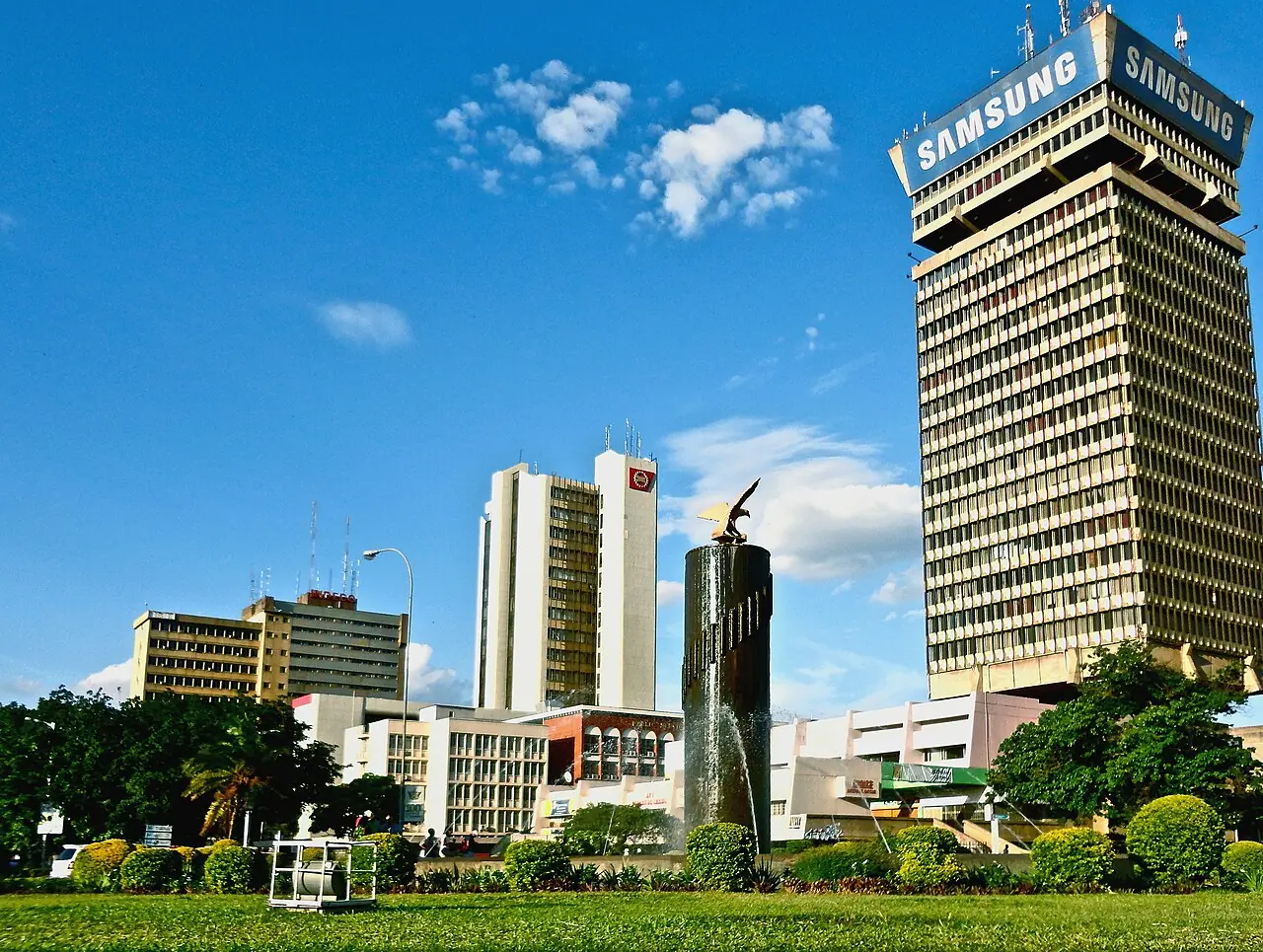 Photo: Matthew Grollnek · CC BY-SA 4.0
Published by Adama Doumbia, founder of Afrique Unie · updated 28 November 2026 · our method and sources
Why visit Lusaka?
Lusaka is growing fast, with all the flaws and virtues that brings: traffic jams, building sites and gleaming new shopping centres, but also an infectious energy, vast markets, a booming arts scene and a web of restaurants that reflects the diversity of Zambians. For most travellers it is a logistical stop before flying off to the parks, yet it deserves a day or two to understand the country as it is today.
The city has no old historic centre: it grew from the 1930s onwards, when the colonial authorities moved the capital from Livingstone. The Freedom Statue, a monument to the independence struggle, the Lusaka National Museum, devoted to history and contemporary art, and the art galleries set up in houses in the residential areas nevertheless give you a feel for its identity.
On Sundays, the craft market set up in a shopping centre car park brings together sellers of baskets, carvings, chitenge fabrics and jewellery. The bustling markets of Soweto or Kalingalinga plunge you into everyday life, with their stalls of dried fish, nshima and charcoal.
Things to do in Lusaka: 6 ideas
- 01The Sunday marketHunt for crafts and fabrics at the weekly craft market, bargaining with a smile.
- 02The National MuseumDiscover the country's cultural history and the work of Zambian artists.
- 03Kabwata Cultural VillageWatch craftspeople at work in old colonial-era huts turned into workshops.
- 04An art galleryVisit one of the city's galleries, showcases for contemporary painting and sculpture.
- 05Soweto marketDive into the capital's biggest market with a guide.
- 06A reserve on the city's doorstepSpend a day in a nearby private reserve, with giraffes, zebras and antelope.
Lusaka in one day
- 01MorningStart at the Lusaka National Museum, whose history, ethnography and contemporary Zambian art galleries make an excellent introduction to the country. Then pass by the Freedom Statue, the monument to the independence struggle. Set off early and by taxi, as traffic in the centre quickly builds up during the morning.
- 02LunchHave nshima with stewed chicken or kapenta in a popular canteen downtown, eating with your right hand like Zambians do. For a quieter setting, cafés in Longacres or Rhodes Park also serve local dishes. Keep your belongings close in busy places.
- 03AfternoonHead to Kabwata Cultural Village, where craftspeople work in old colonial-era huts: carvings, baskets and chitenge fabrics can be bought directly from them. Then go up to the Anglican Cathedral of the Holy Cross on Cathedral Hill. Bargain with a smile and between stops, use a car arranged by your accommodation, as the UK advises, or a ride-hailing app.
- 04EveningDine on braai or Zambian dishes in the quiet, leafy districts of Kabulonga or Woodlands. Return in a booked car: France advises against walking after dark unless it is an emergency, and the UK recommends pre-arranging transport through your hotel or a tour operator.
A second day in Lusaka
- 01MorningLeave early for Lusaka National Park, on the city's doorstep, for a game drive to see white rhinos, giraffes, zebras and antelopes. Arrive at opening time, when the animals are active and the heat bearable, and never leave your vehicle outside designated areas.
- 02LunchEat on your way back, trying ifisashi, greens in peanut sauce, and a glass of maheu, the thick maize drink sold everywhere. Use the break to avoid the hottest hours, especially in September and October, when temperatures soar.
- 03AfternoonVisit Munda Wanga Environmental Park in Chilanga, south of the city: a botanical garden and wildlife sanctuary, it rounds off the morning nicely. If you are in Lusaka on a Sunday, go to the weekly craft market instead for baskets, carvings, fabrics and jewellery.
- 04EveningFinish with dinner in Longacres or Kabulonga, where Zambian restaurants and international options are concentrated, followed by a quiet evening. If you are flying off on safari the next day, pack your bags and allow plenty of time to reach Kenneth Kaunda Airport, as traffic can lengthen the journey.
A little history
Lusaka takes its name from Lusaaka, the headman of a village on this plateau before the settlers arrived. In the early 20th century, the railway linking Livingstone to the north of Northern Rhodesia came through here, and a small farming halt grew up. In the mid-1930s the British administration moved the capital here from Livingstone, for its central position where the great roads north and east met. The town was laid out as a garden city, with broad avenues and leafy residential districts.
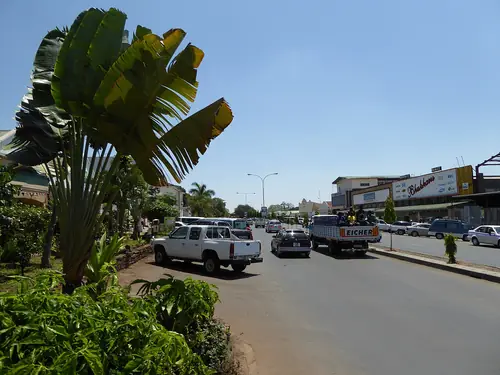
When Zambia became independent on 24 October 1964, Lusaka became the capital of the new state led by Kenneth Kaunda. Over the following decades it hosted several southern African liberation movements, including South Africa's ANC, which set up its headquarters in exile here. The city then grew rapidly around Cairo Road, its main commercial street, and its busy markets. The Freedom Statue, the National Museum and the new shopping centres tell the story of a young capital on the rise.
What to eat in Lusaka
The staple is nshima, a stiff white maize porridge that you roll in your right hand before dipping it into the accompaniments, known as relish: leafy greens such as rape or pumpkin leaves, ifisashi in peanut sauce, kapenta, small dried fish from Lake Kariba, or stewed beef and chicken. The more adventurous can try chikanda, made from wild orchid tubers, or crunchy fried mopane worms.
To drink, maheu, a thick fermented maize drink, is sold in every shop, and chibwantu is a traditional version of it. Zambian-brewed beers go with the braai, the barbecue that is a weekend favourite. To try local food, head to the canteens of Soweto or Kalingalinga markets, the small nshima restaurants in the centre and the grill stands set up in the late afternoon.
Where to stay in Lusaka
The residential districts of Kabulonga, Rhodes Park, Woodlands and Longacres have most of the guesthouses, town lodges and restaurants, in leafy, quiet surroundings. The area near the Manda Hill shopping centre and the embassies is handy for shopping. The city centre, around Cairo Road, is lively by day but uninviting in the evening. For a more peaceful atmosphere, some lodges on the outskirts, towards the airport or in private reserves, make an excellent first or last night.
Getting there and getting around
Kenneth Kaunda International Airport (code LUN) is north-east of the city, about 25 kilometres from the centre; a taxi or a transfer arranged by your accommodation takes thirty to forty-five minutes depending on traffic. It has flights to Johannesburg, Nairobi, Addis Ababa and the Gulf, as well as domestic flights to Livingstone and Mfuwe, the gateway to South Luangwa National Park.
In town, minibuses cover the main roads but are not very practical for visitors; use taxis recommended by your accommodation or ride-hailing apps instead. The currency is the Zambian kwacha: cards are widely accepted in shopping centres, hotels and lodges, and ATMs are plentiful, but keep cash for markets and small purchases. Prices are normally quoted and paid in kwacha.
Lusaka is not among the areas France Diplomatie advises against, which are along the country's northern borders. The ministry does, however, report sometimes violent attacks, including armed robbery, burglary and carjacking, and, unless it is urgent, advises against walking after dark and against intercity travel at night by car or bus. The best time to visit is May to October, the dry season; September and October are very hot, and the rains fall from November to April.
Frequently asked questions
How many days do you need in Lusaka?
One or two days are enough for the National Museum, a few art galleries, a local market and, if you're there on a Sunday, the craft market. Many travellers spend a night here on the way to and from a safari.
Is Lusaka safe?
Lusaka is relatively calm for a big capital, but attacks, sometimes violent, do happen. Avoid walking alone at night, use recommended taxis, keep your windows up in traffic and leave nothing visible in the car. Read your government's travel advice before you go.
When is the best time to visit Lusaka?
May to October, the dry season, brings clear skies and coincides with the best wildlife viewing in Zambia's parks. June and July have cool nights, while October is the hottest month. From November to April, storms are frequent and some park tracks become impassable.
What is there to see around Lusaka?
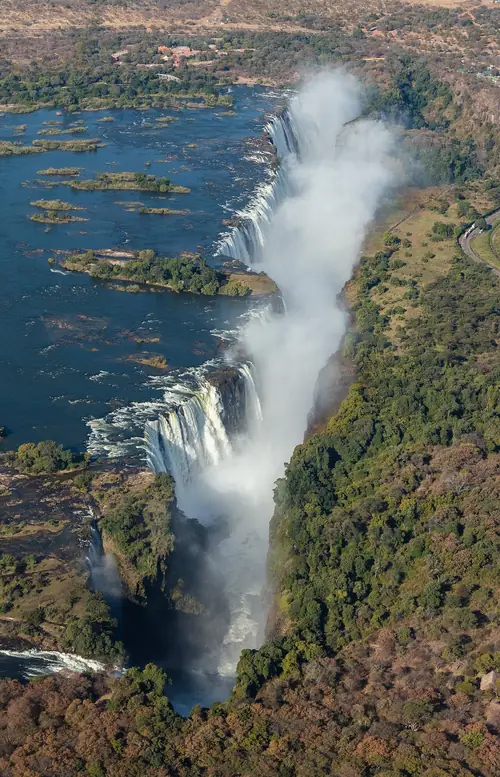
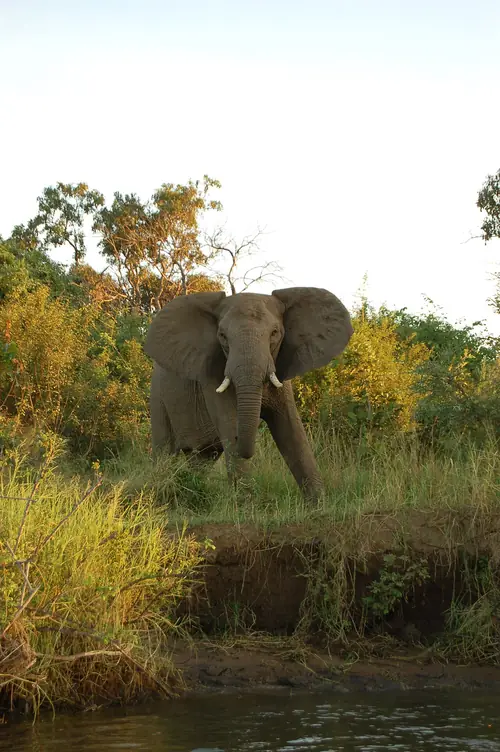
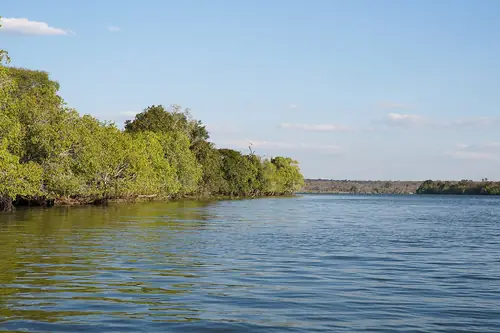
Lusaka National Park, on the edge of the city, is home to white rhinos, giraffes and antelope. Lower Zambezi National Park, a few hours' drive away, offers canoe and boat safaris. Victoria Falls, at Livingstone, can be reached by plane or in a day on the road.
What is there to do in Lusaka in the evening?
Evenings are mostly spent in the residential districts, over a braai or dinner in Kabulonga, Longacres or Woodlands, and in the shopping malls, which stay lively into the evening. The centre around Cairo Road empties after dark. Get around by taxi or ride-hailing app, as France advises against walking after nightfall.
Where can I buy crafts in Lusaka?
The Sunday craft market, held in a shopping centre car park, is the best place for baskets, carvings, chitenge fabrics and jewellery. On weekdays, Kabwata Cultural Village lets you buy directly from the craftspeople. Bargain with a smile and carry kwacha in cash for small vendors.
 Zambia