Zambia is the country for safari-goers who have seen it all, and for those who want to start with the very best. It was here, in the Luangwa Valley, that the conservationist Norman Carr popularised the walking safari in the 1950s: a way of experiencing the bush at walking pace, reading tracks in the dust and listening for the alarm calls of baboons. The tradition is still alive: Zambian guides are walkers, trackers and storytellers, and the seasonal bush camps, built of reeds and canvas, are taken down every year after the rains.
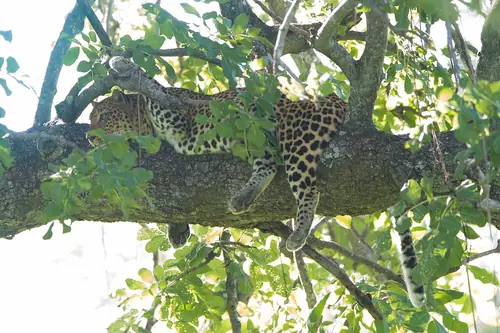
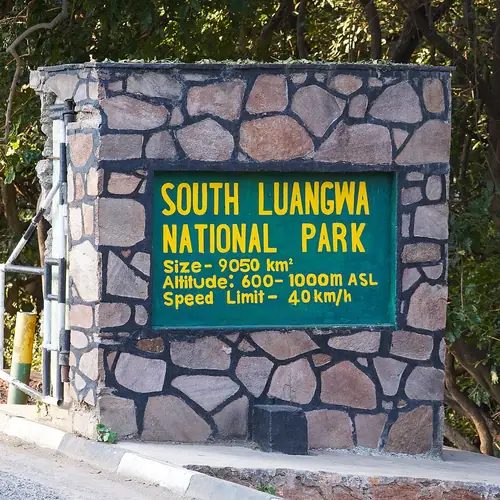
The country, large and sparsely populated, has some twenty national parks, several of which remain among the wildest on the continent. South Luangwa is famous for its leopards and night drives; the Lower Zambezi is explored by canoe among the hippos; the vast Kafue is still largely unknown; and Liuwa Plain, in the west, hosts a wildebeest migration far from any crowds. Travel here is slower and often more expensive than elsewhere, as the distances are long, but the reward is a rare feeling of solitude in the face of nature.
Zambia also has its own side of Victoria Falls, with the town of Livingstone, more authentic than its Zimbabwean neighbour, and the famous Devil's Pool, right on the edge of the drop. The country has a reputation for stability and tranquillity, and its people, drawn from more than seventy ethnic groups, have a simple, smiling sense of hospitality. Those with time to spare can also discover the great traditional ceremonies, the northern lakes and the little-known waterfalls of Northern Province, far from all the usual circuits.
History and culture
Inhabited for a very long time, as shown by the Kabwe skull, an ancient human fossil discovered in 1921, the region was settled over the centuries by Bantu peoples, including the Bemba, Lozi, Ngoni and Tonga. David Livingstone travelled here in the 19th century, before Cecil Rhodes's British South Africa Company took control. The territory became Northern Rhodesia, and the copper deposits of the Copperbelt attracted colonial investment.
Independence was declared on 24 October 1964 under the leadership of Kenneth Kaunda, who ruled the country until 1991. Zambia actively supported its neighbours' liberation movements during that time. Since the return of multiparty politics, the country has seen several peaceful transfers of power and remains one of the most stable democracies in the region, despite an economy heavily dependent on copper.
8 experiences not to miss in Zambia
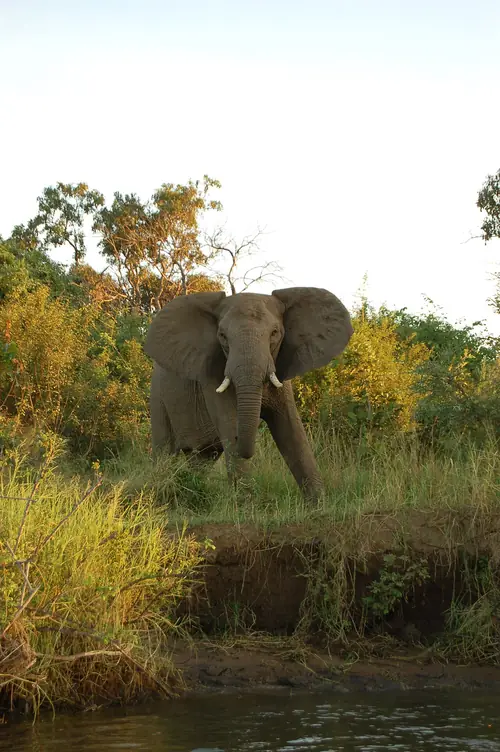
Photo : Geoff Gallice · CC BY 2.001The walking safariWalk through the Luangwa Valley behind a guide and an armed scout, on the lookout for fresh tracks.
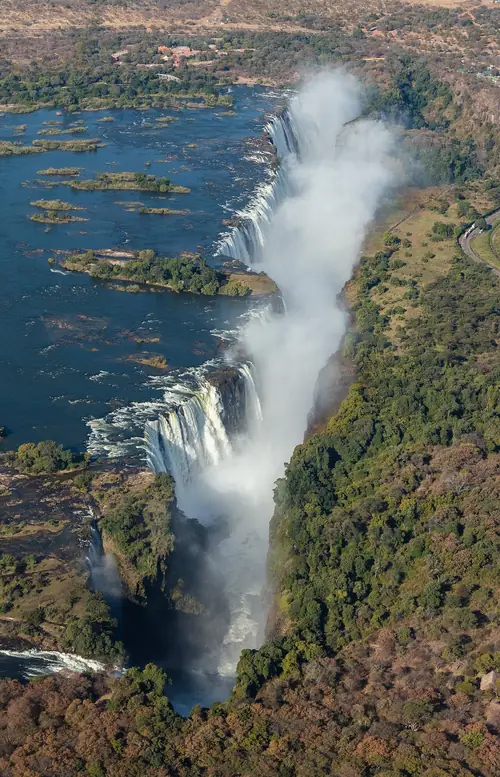
Photo : Diego Delso · CC BY-SA 4.006A flight over the fallsFly over the Zambezi and its zigzagging gorges in a microlight or a helicopter.
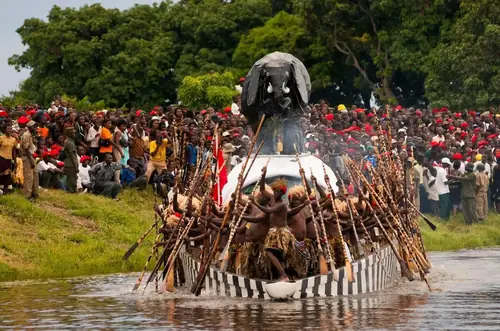
Photo : Jae zambia · CC BY-SA 4.007Traditional ceremoniesIf the calendar allows, attend one of the great ceremonies, such as the Kuomboka of the Lozi.
08A Lusaka marketLose yourself in the colourful aisles of a bustling market in the capital, among chitenge fabrics and dried fish.
When to go to Zambia
The best period runs from June to October, during the dry season. From June to August the days are mild and the nights cool; in September and October the heat becomes overwhelming in the valleys, but the wildlife concentrates near water and sightings are spectacular. The rainy season, from November to April, makes many tracks impassable; a lot of bush camps close, and some parks such as Kafue become largely inaccessible. This green season does, however, attract birdwatchers and photographers to the camps that stay open. At Victoria Falls, the flow peaks between March and May.
Getting around
Distances are great and the roads sometimes in poor condition. Domestic flights, scheduled or chartered, link Lusaka, Livingstone, Mfuwe and the bush camps' airstrips: this is the most practical option for safaris. Experienced travellers can hire a 4x4, with serious preparation: extra fuel tanks, spare wheels and knowledge of the tracks. Driving is on the left, and you should expect police checks. Long-distance buses link the main towns but do not serve the parks. Avoid driving at night at all costs.
Etiquette and customs
Zambians are exceptionally courteous. Greetings are a ritual: you ask after people's news before getting down to business, and you may bow slightly to elders. To give or receive, use your right hand, perhaps touching your elbow or forearm with your left. Avoid eating with your left hand. Very short clothing is frowned upon outside tourist areas. As in neighbouring countries, do not photograph official sites, bridges or soldiers. A greeting in Nyanja, “Muli bwanji?”, is always appreciated.
Food and drink in Zambia
Nshima is the staple: a firm paste of white maize that you eat with your right hand, rolled into balls and dipped into the relishes, as the accompaniments are called. Among the most popular are ifisashi, green vegetables cooked in a peanut sauce; kapenta, a small dried fish from Lake Kariba, fried or in tomato sauce; and goat or village chicken. The markets also sell dried caterpillars and, in the rainy season, wild mushrooms. Fish from the lakes and rivers, such as bream, are enjoyed grilled. Safari camps serve refined international cuisine, often under the stars.
March or April, the 2027 date is set by the Barotse Royal Establishment according to the flood level and has not been announced yet · Lealui – Limulunga (near Mongu)
The must-sees: South Luangwa National Park, Devil's Pool, Lower Zambezi National Park, Kafue National Park.
Which cities should I visit in Zambia?
Livingstone, Lusaka, Mfuwe. The capital is Lusaka.
How much should I budget for a trip to Zambia?
Mid-range: around €60–120 per person per day, excluding flights. This is only a guide and depends above all on the accommodation and activities you choose.
The main international airport has the code LUN. Compare flights with the ‘Flights’ button on this page.
Do I need a visa to visit Zambia?
Entry requirements depend on your nationality and change regularly. Check them on the country's official website or with your foreign ministry before booking, and make sure your passport is valid.
What should I eat in Zambia?
Dishes to try while you're there: Nshima, ifisashi, kapenta.
Proflight Zambia links Lusaka with Livingstone, Mfuwe (South Luangwa), Ndola and other towns, saving long days on the road. The TAZARA train leaves New Kapiri Mposhi for Dar es Salaam (Tanzania) once a week, a long scenic journey rather than practical transport. Long-distance buses link Lusaka with Livingstone, Chipata or the Copperbelt, and minibuses handle short trips. For the parks, travellers generally choose a 4x4 with driver or lodge transfers; traffic drives on the left.
Health and safety
Yellow fever
Certificate required only if you arrive from, or transited through, a country with a risk of yellow fever (from 1 year, incl. airport transits over 12 h); vaccine: generally not recommended; may be considered for North-Western and Western provinces.
Malaria
Present throughout the country: ask a doctor about preventive medication and protect yourself from mosquitoes.
Water and food
Unless your accommodation says otherwise, drink sealed bottled or filtered water, and wash your hands often.
Sources: France Diplomatie, Viaggiare Sicuri, Belgian Foreign Affairs, GOV.UK, checked in November 2026. All 54 countries
Entry requirements (visas, vaccinations) and security conditions change regularly: check them with the official authorities before booking. Official tourism website: Zambia Tourism Agency.
Affiliate cookiesWe would like to load a script from our partner Travelpayouts. It may set cookies so that we receive a commission when you book through our links, at no extra cost to you. If you decline, the site works in exactly the same way. Find out more
 AfriqueUnie
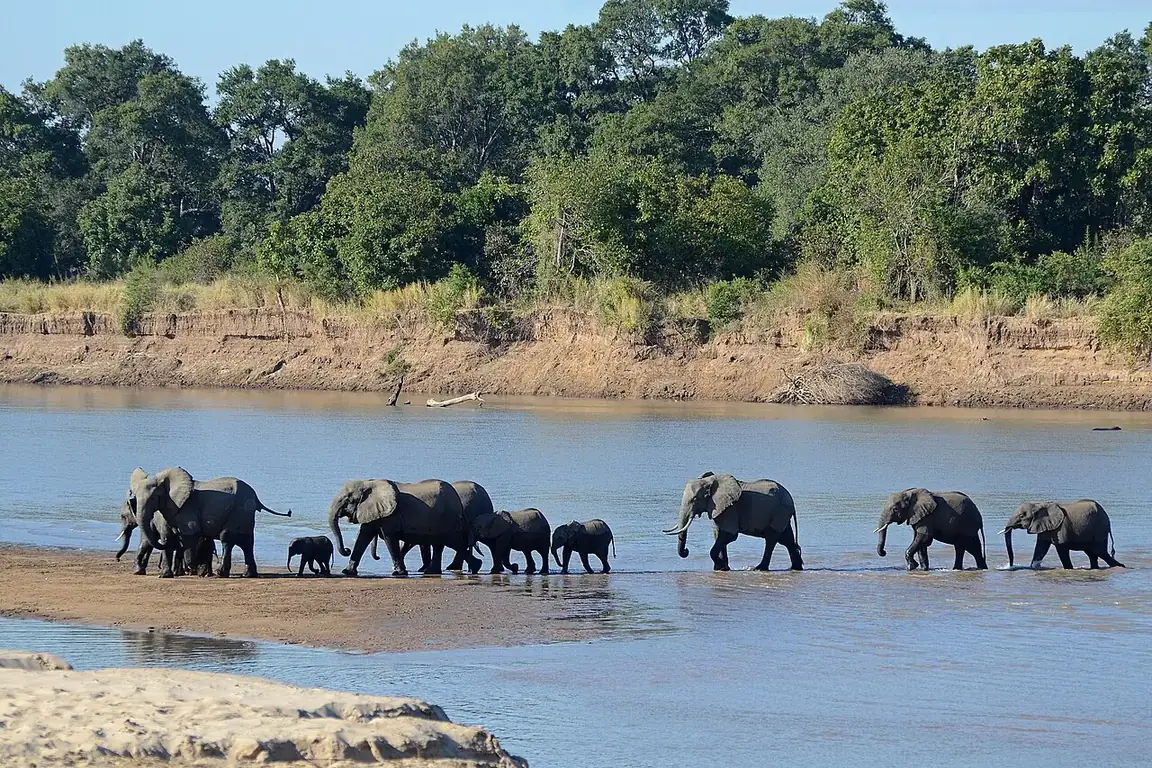 Photo: Geoff Gallice · CC BY 2.0
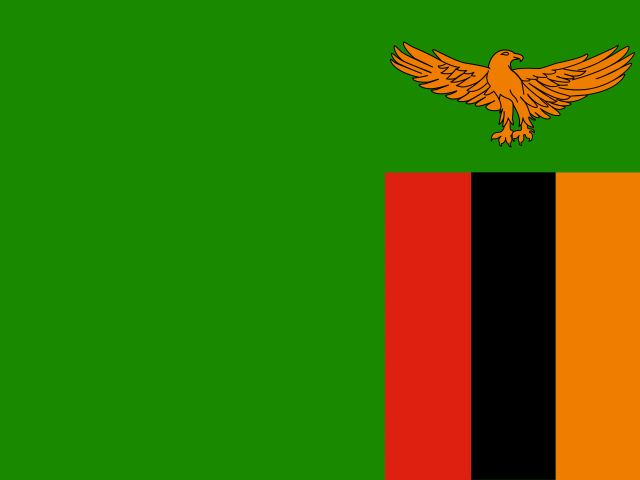 Zambia

 Eswatini
 Lesotho
 Mozambique
 Namibia
 South Africa