 AfriqueUnie
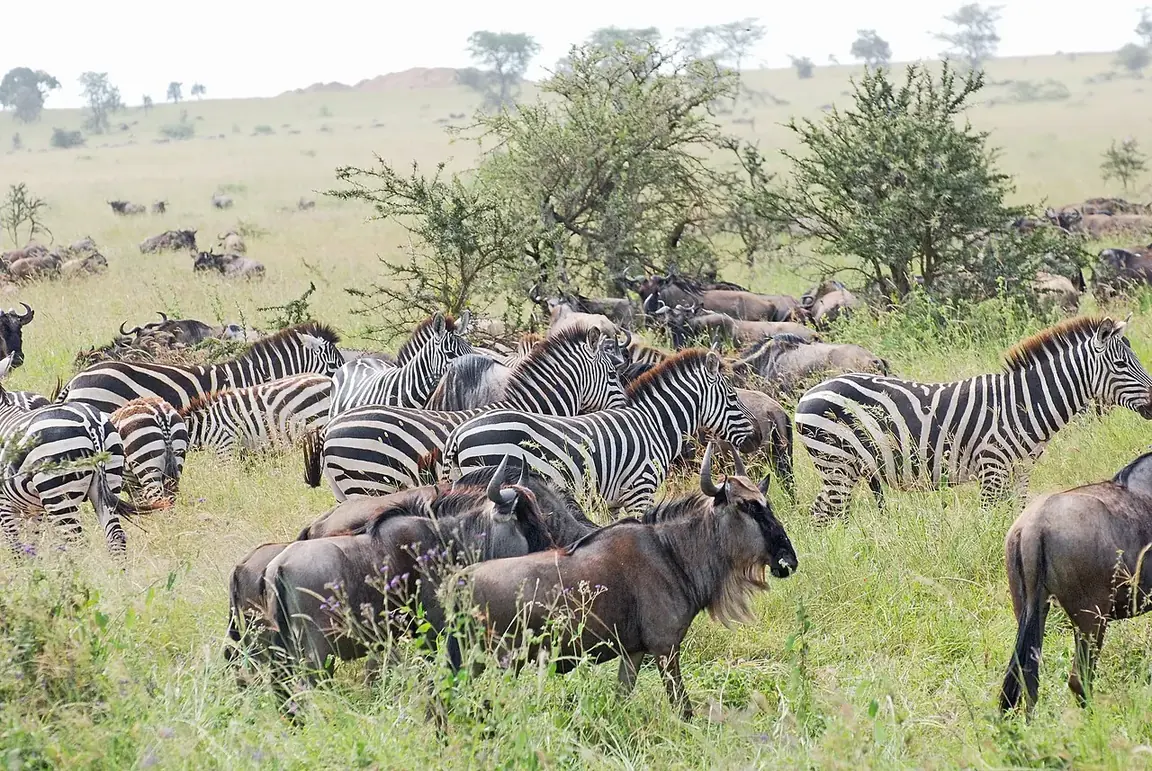 Photo: Harvey Barrison from Massapequa, NY, USA · CC BY-SA 2.0
Published by Adama Doumbia, founder of Afrique Unie · updated 28 November 2026 · our method and sources
Swahili (Kiswahili) is the great language of East Africa. It is an official language in Tanzania, Kenya, Uganda and Rwanda, and it is spoken in eastern DR Congo, in Burundi and as far as northern Mozambique. It is a Bantu language, enriched with many Arabic words over centuries of trade along the Indian Ocean coast.
It is written in the Latin alphabet and read almost exactly as it is written, which makes it easy for travellers to pronounce. Since 2022, UNESCO has celebrated World Kiswahili Language Day every 7 July.
Where it is spoken : Tanzania, Kenya, Uganda, Rwanda, DR Congo, Burundi.
Pronunciation tips
- Every letter is pronounced, including vowels at the end of words.
- Vowels are short and pure: a as in "father", e as in "bed", i as in "see", o as in "more", u as in "food" (asante → ah-SAHN-teh).
- "ch" sounds like "church" (chai), "j" like "jam" (jambo), and "g" is always hard, as in "go".
- The stress almost always falls on the second-to-last syllable: a-SAN-te, ka-RI-bu.
Greetings
| Swahili | English |
|---|---|
| Jambo | Hello (the best known, especially with visitors) |
| Habari? – Nzuri | How are you? (what news?) – Good |
| Habari za asubuhi? | Good morning |
| Mambo? – Poa | What's up? – Cool (informal) |
| Shikamoo – Marahaba | Respectful greeting to an older person – their reply |
| Karibu | Welcome; you're welcome |
| Kwa heri | Goodbye |
| Lala salama | Good night |
Being polite
| Swahili | English |
|---|---|
| Asante | Thank you |
| Asante sana | Thank you very much |
| Tafadhali | Please |
| Samahani | Sorry, excuse me |
| Ndiyo | Yes |
| Hapana | No |
| Sawa | OK |
| Hakuna matata | No problem |
| Pole pole | Slowly, take it easy |
| Pole | Sorry (to sympathise) |
Getting to know people
| Swahili | English |
|---|---|
| Jina langu ni… | My name is… |
| Jina lako nani? | What is your name? |
| Ninatoka Ufaransa / Italia / Ubelgiji | I come from France / Italy / Belgium |
| Unazungumza Kiingereza? / Kifaransa? | Do you speak English? / French? |
| Sielewi | I don't understand |
| Ninazungumza Kiswahili kidogo | I speak a little Swahili |
At the market
| Swahili | English |
|---|---|
| Bei gani? | How much is it? |
| Ghali sana! | That's too expensive! |
| Punguza bei, tafadhali | Lower the price, please |
| Nataka… | I would like… |
| Sitaki, asante | I don't want it, thank you |
Getting around
| Swahili | English |
|---|---|
| … iko wapi? | Where is…? |
| Choo kiko wapi? | Where is the toilet? |
| Kushoto / Kulia | Left / Right |
| Moja kwa moja | Straight on |
| Simama hapa, tafadhali | Stop here, please |
| Uwanja wa ndege | Airport |
| Kituo cha basi | Bus stop, bus station |
Eating and drinking
| Swahili | English |
|---|---|
| Chakula | Food, meal |
| Maji | Water |
| Chai / Kahawa | Tea / Coffee |
| Chakula ni kitamu sana | The food is delicious |
| Sili nyama | I don't eat meat |
| Lete bili, tafadhali | The bill, please |
Emergencies
| Swahili | English |
|---|---|
| Msaada! | Help! |
| Daktari | Doctor |
| Hospitali | Hospital |
| Polisi | Police |
| Mimi ni mgonjwa | I am ill |
Numbers
| Swahili | English |
|---|---|
| Moja, mbili, tatu | One, two, three |
| Nne, tano, sita | Four, five, six |
| Saba, nane, tisa, kumi | Seven, eight, nine, ten |
| Mia moja | One hundred |
| Elfu moja | One thousand |
On safari
| Swahili | English |
|---|---|
| Safari | Journey (the word comes from Swahili) |
| Simba | Lion |
| Tembo | Elephant |
| Twiga | Giraffe |
| Chui | Leopard |
| Kiboko | Hippo |
| Nyati | Buffalo |
| Punda milia | Zebra |
60 everyday expressions, in simple spelling. Regional accents vary: don't hesitate to ask people to repeat, it is always appreciated.
Frequently asked questions
How do you say thank you in Swahili?
You say "asante" (ah-SAHN-teh), and "asante sana" for thank you very much. To thank several people, you will also hear "asanteni".
How do you say hello in Swahili?
"Jambo" is the hello everyone understands, especially with visitors. Between locals you will more often hear "habari?" (what news?), answered with "nzuri" (good), or "hujambo?", answered with "sijambo". To greet an older person respectfully, say "shikamoo"; they reply "marahaba".
What does "hakuna matata" mean?
"Hakuna matata" means "there is no problem". It is a genuine Swahili expression heard in Kenya and Tanzania, although in everyday life people also say "hakuna shida" or simply "sawa" (OK).
Which countries speak Swahili?
Swahili is an official language in Tanzania, Kenya, Uganda and Rwanda. It is also widely spoken in eastern DR Congo and Burundi, and understood in parts of Mozambique, Zambia and Malawi.