 AfriqueUnie
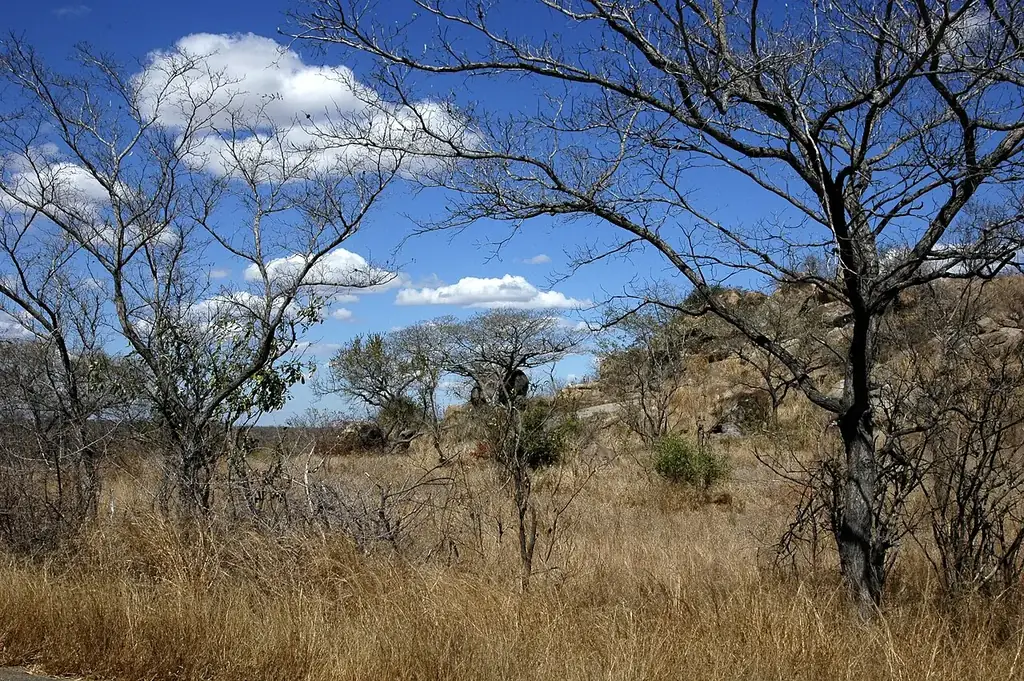 Photo: Amada44 · Public domain
South Africa in January
Peak season: ideal · 29 °C in the afternoon in Pretoria
- Our verdict
- Peak season: ideal
- Afternoon in Pretoria
- 29 °C
- Night
- 18 °C
- Rain
- 119 mm, about 10 days
- The country's best time
- May to September (safari), November to March (Cape Town)
What to expect in South Africa in January
January is the heart of the southern summer, and the country has two opposite climates. In Cape Town and on the west coast it is the dry season: bright sunshine, 26 to 28°C and a south-easterly wind that can be fierce. In Pretoria, Johannesburg and the north-east it is the rainy season: hot, sunny mornings, then late-afternoon thunderstorms on about ten days in the month. Durban is hot and sticky.
Until mid-January, South African school holidays fill the beaches and the Garden Route; after that, visitor numbers fall while the weather stays the same. January is ideal for Cape Town, its beaches and its vineyards. For safari it is a green season: Kruger National Park is very hot and the dense vegetation hides the animals, but the scenery is superb and birds are plentiful.
What to do in South Africa in January
Table Mountain early in the morning
In summer, go up Table Mountain as soon as it opens: the air is cooler, and the south-easterly wind, which sometimes lays a 'tablecloth' of cloud over the summit, mostly picks up in the afternoon. The cable car stops when it blows too hard. Days are long, with sunset at around 8pm.
The beaches of Cape Town and Durban
In Cape Town, the water on the Atlantic side stays cold even in high summer, often between 13 and 17°C; it is milder on the False Bay side. For a truly warm sea, at around 24°C, you need to go to Durban, on the Indian Ocean. Swim only at lifeguarded beaches.
The Garden Route in summer
Between Mossel Bay and the Tsitsikamma forest, the Garden Route is at its best in summer: lagoons, beaches and coastal walks, at 24 to 26°C. The region gets a little rain all year round, with no real dry season. After mid-January, accommodation frees up and the roads are quieter.
Kruger in the green season
In January, Kruger National Park is lush. The young impalas born at the end of the year are frolicking everywhere and migrant birds are present in large numbers. Animals are harder to spot in the tall grass and the heat often exceeds 32°C: head out at dawn and late in the day.
Our tips for this month
Bring very strong sun protection, a hat and a windproof jacket for Cape Town, plus a light rain jacket for the north-east. Kruger is in a malaria area, especially in the rainy season: see a doctor before you leave. Book the Robben Island tour in advance; it is sometimes cancelled in rough seas. Arrange your airport transfers, keep to main roads and avoid driving at night.
Frequently asked questions
Is South Africa hot in January?
Yes, it is high summer. It is 26 to 28°C in Cape Town, about 29°C in Pretoria and often above 32°C in Kruger National Park. Nights stay mild everywhere.
Can you swim in Cape Town in January?
Yes, but the water is cold on the Atlantic side, often between 13 and 17°C. It is more pleasant in False Bay, and truly warm only on the Indian Ocean, in Durban.
Is January a good month for a safari in Kruger?
It is possible, but it is not the best season. It is very hot, it often rains late in the day and dense vegetation hides the animals; in return, the park is green and rich in birds and young animals.
Temperatures and rainfall: averages measured in Pretoria (climate table of the Wikipedia article “Pretoria”). The climate varies by region, and any given year can differ from the averages.
Plan
Go further
Guides