AfriqueUnie
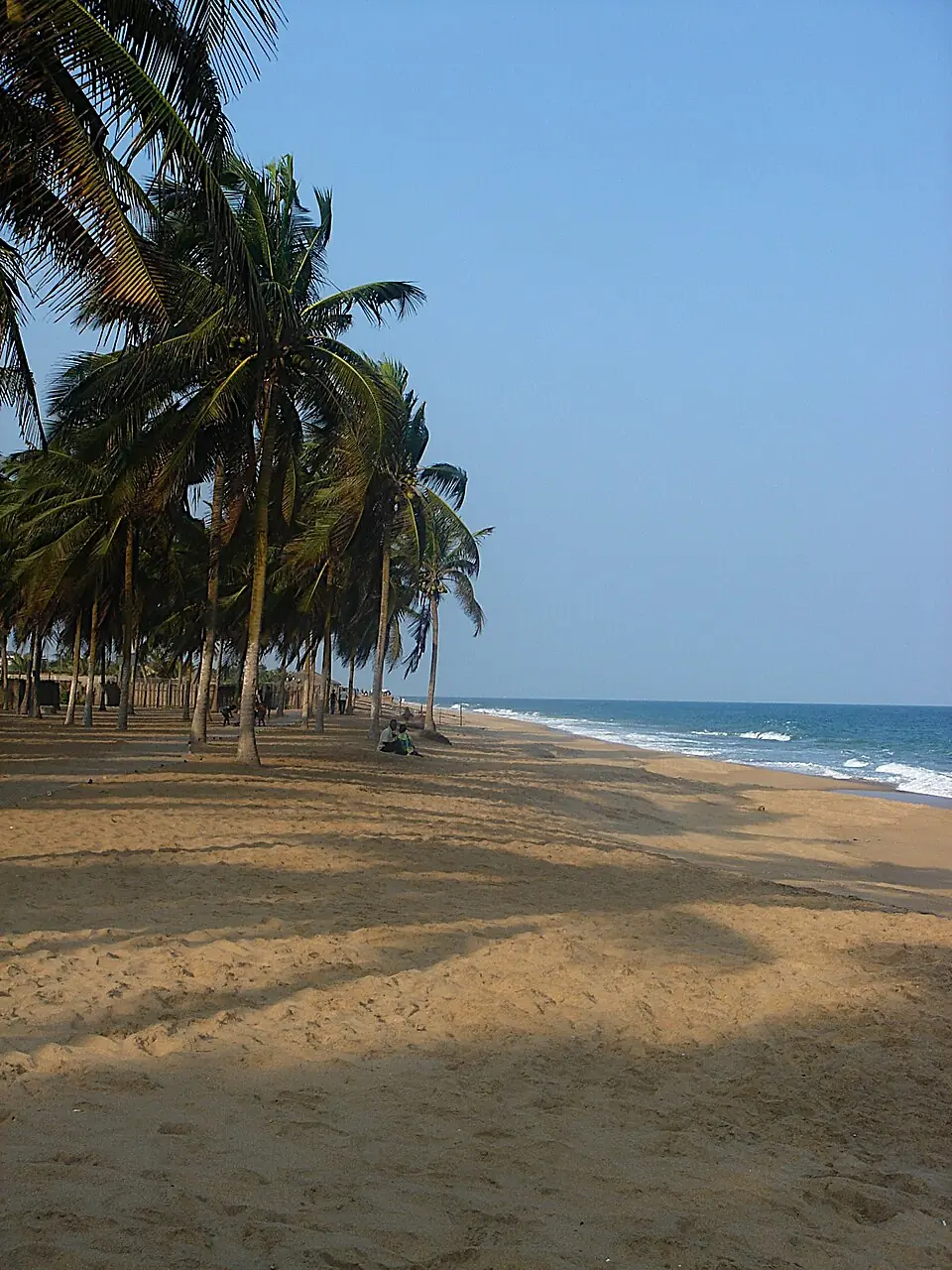 Photo: Francois Jake Green (Fanfan) · CC BY 3.0
Published by Adama Doumbia, founder of Afrique Unie · updated 28 November 2026 · our method and sources
Why visit Aného?
Some fifty kilometres east of Lomé, close to the Benin border, Aného sits on a narrow strip of land between the Atlantic and the lagoon that leads to Lake Togo. Founded in the late 17th century, the former Little Popo was a busy trading post on the Slave Coast, then the first capital of German Togoland before the administration moved to Lomé. What remains is a small town of faded charm, where old churches, colonial buildings and Afro-Brazilian houses recall that past.
Aného is also the heart of the Guin country, and the neighbouring town of Glidji is its spiritual centre: every year, usually in September, the Epé-Ekpé festival celebrates the traditional new year with the unveiling of the sacred stone, whose colour foretells the year ahead. The rest of the time, people come for the peaceful atmosphere, the fishing canoes on the beach and outings on the lagoon.
Things to do in Aného: 5 ideas
- 01The historic centreWander between the Cathedral of Saints Peter and Paul, the late-19th-century Protestant church and the colonial façades.
- 02The Afro-Brazilian housesSpot the homes built in the old quarter by families who returned from Brazil.
- 03Glidji and Epé-EkpéVisit the sacred village of the Guin and, if you can, attend the new year festival, following the organisers' instructions.
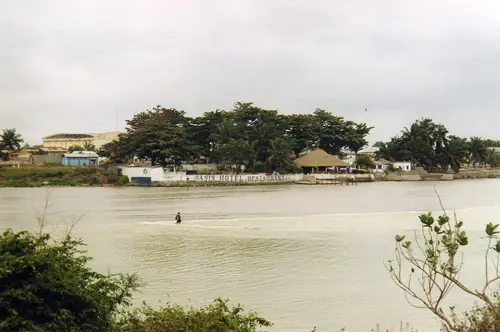
- 04The lagoon by canoePaddle up the lagoon towards Lake Togo past fishermen and lakeside villages.
- 05The fishermen's beachWatch the nets being hauled in by hand and the canoes coming back, but don't swim where the currents are strong.
Where to stay in Aného
Aného has a few simple hotels and guesthouses, some on the lagoon or facing the sea, others in the centre near the market. The lagoon side is the most pleasant for peace and sunsets. Many travellers visit on a day trip from Lomé or combine it with a stay on the shores of Lake Togo, where there are more places to relax.
Frequently asked questions
How do you get from Lomé to Aného?
Aného is about fifty kilometres east of Lomé along the coast road, roughly an hour's drive. Take a private or shared yellow-plate taxi, or a car with driver, rather than a motorbike taxi, which France's foreign ministry advises against. Return before dark.
How long do you need to visit Aného?
Half a day is enough for the historic centre, its churches and Afro-Brazilian houses; a full day lets you add Glidji and a pirogue trip on the lagoon. For more peace and quiet, stay a night by Lake Togo.
When should you visit Aného?
The dry season, from November to February, is the most pleasant time for strolling and boating on the lagoon. The Epé-Ekpé festival in Glidji is usually held in September: dates change from year to year, so ask local people or the tourist office.
Is Aného safe, and can you swim there?
Aného is under heightened vigilance, like the rest of southern Togo; avoid the beach and isolated streets after sunset. Swimming is dangerous along the whole Togolese coast because of strong currents: France's foreign ministry considers it possible, with care, only at a few developed spots near Lomé.
What is there to see around Aného?
Lake Togo is close by: from Agbodrafo, pirogues take you across to Togoville, a former royal village. In Agbodrafo, the slave house recalls the history of the slave trade on this coast. Glidji, the spiritual centre of the Guin people, is right next to Aného.
 Togo