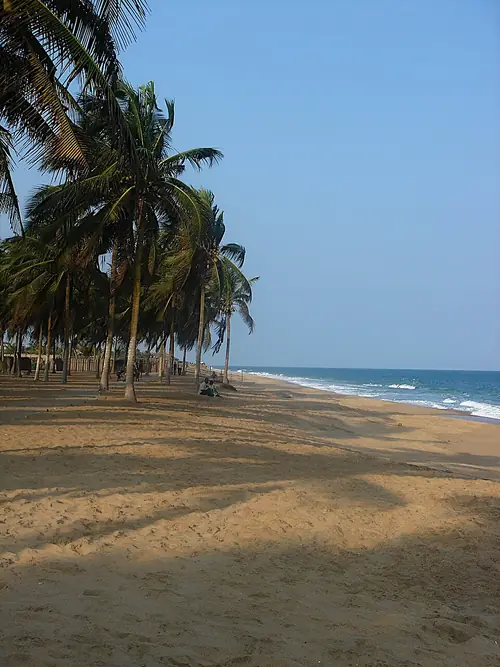
Palm-fringed beaches, the green hills of Kpalimé and the fortified houses of Tamberma country: travelling through Togo from south to north is like a summary of the whole region.
On the map, Togo looks like a thin strip of land, barely fifty kilometres wide at the coast, stretching nearly six hundred kilometres to the north. That is precisely what makes it such a fascinating country to travel through: in a few days on the road you go from the coconut palms of the Gulf of Guinea to the wooded hills of the plateaux, and then to the savannahs and fortified villages of the north. Each stage brings a new landscape, a new language and a new way of life, like West Africa in miniature.
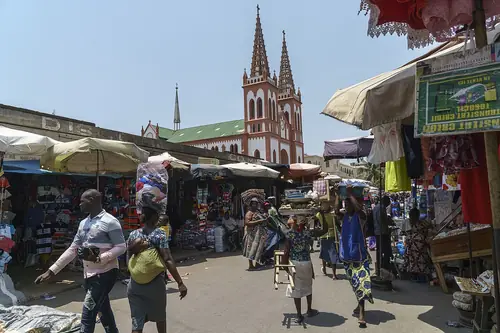
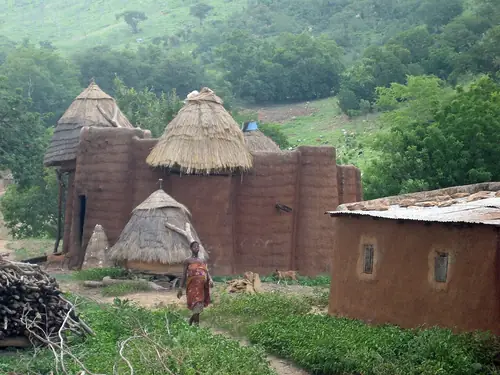
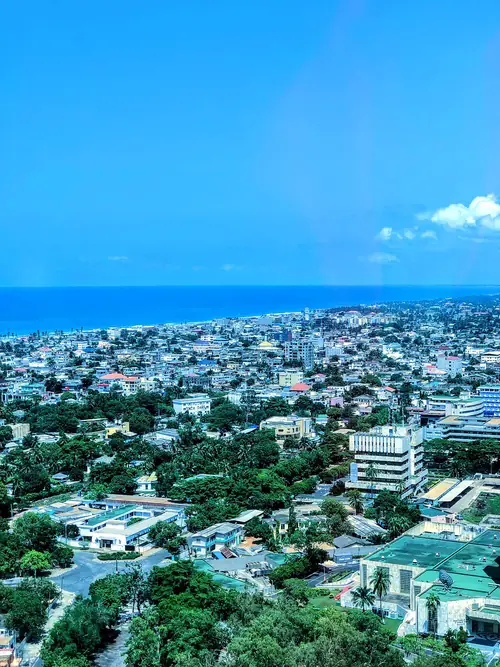
Lomé, the capital, set on the edge of the ocean, is a human-scale city that's pleasant to explore on foot, with its Grand Marché, where the famous Nana Benz made fortunes trading in cloth, and the Akodessewa fetish market, an astonishing vodun pharmacopoeia. An hour to the east, you cross Lake Togo by pirogue to reach Togoville, the historic cradle of the country and a major spiritual site. To the north-west, the Kpalimé region unfolds its green hills, coffee and cocoa plantations, waterfalls and hiking trails up Mount Agou, the country's highest point. Further still, the land of the Batammariba, Koutammakou, is home to earthen tower-houses listed as a World Heritage Site.
Togo still sees few international tourists, and that is its charm: you travel simply, in close contact with local people, staying in inns and guesthouses that are often family-run. The welcome is warm and unobtrusive, the food generous and the distances reasonable in the south. One caveat, however: the far north of the country, bordering Burkina Faso, is affected by insecurity linked to armed groups and is subject to formal advice against travel. Check the official advice before planning any route beyond Kara.
History and culture
Before colonisation the territory was home to a variety of groups: the Ewe in the south, who according to tradition came from Notsé; the Kabye and the Tem in the centre and north; the Batammariba in the north-east. In the 19th century the coast took part in the slave trade, then in the palm-oil trade. In 1884 the German explorer Gustav Nachtigal signed a treaty at Togoville with Chief Mlapa III that made Togo a German protectorate. During the colonial period the Germans built roads, railways and a wharf at Lomé.
After the First World War the territory was divided between France and the United Kingdom; in a 1956 referendum the British part chose to join the Gold Coast, which became Ghana the following year. The Ewe thus found themselves split between two countries. French Togo became independent on 27 April 1960 under the presidency of Sylvanus Olympio, who was assassinated in 1963. Gnassingbé Eyadéma ruled the country from 1967 until his death in 2005, and was succeeded by his son Faure Gnassingbé. The country has been through periods of serious political tension, and 27 April remains a day of national pride, celebrated with parades.
8 experiences not to miss in Togo
Photo : Dan Sloan · CC BY-SA 2.001Lomé's Grand MarchéPlunge into the stalls of cloth and wax prints, and into the world of the market women who made the city's name.
02The fetish marketDiscover the ingredients of the vodun pharmacopoeia at Akodessewa, with a guide to explain what they mean.
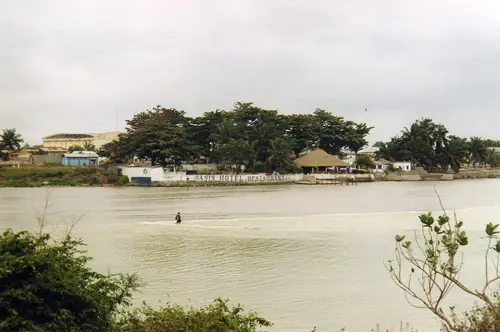
Photo : MaHeHoe · CC BY-SA 3.003Across Lake TogoReach Togoville by pirogue from Agbodrafo, a peaceful crossing among the fishermen.
Photo : Theophile-kk · CC BY-SA 4.004Hiking up Mount AgouClimb through plantations and villages to the country's highest point, with views over Ghana on a clear day.
Photo : Erik Kristensen · CC BY 2.007The takienta of KoutammakouDiscover the tower-houses of the Batammariba and their fascinating interior layout.
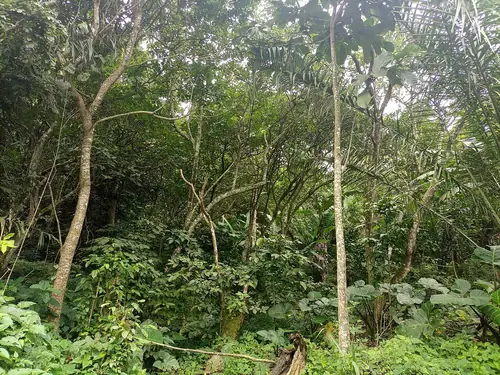
08Danyi PlateauA cool, green plateau, perfect for walking and for meeting people in the villages.
When to go to Togo
Southern Togo has two rainy seasons, the long one from April to July and the short one from September to October, separated by a brief dry spell in August. The best time to travel is the long dry season, from November to February: bearable heat, passable roads and often clear skies, despite the harmattan, which can blur the horizon between December and February, especially in the north. March and April are very hot. The drier north has just one rainy season, from May to October. The Kpalimé region stays cooler thanks to its altitude and vegetation, and is pleasant almost all year round.
Getting around
Lomé's international airport is the main gateway, with good connections from Europe and major African cities. In town, motorbike taxis, called zémidjans as in Benin, are everywhere and cheap; agree the fare and ask for a helmet. Taxis are recognisable by their yellow colour. Bush taxis and minibuses link Lomé with Kpalimé, Aného and the towns of the north, leaving from lively bus stations. Coach companies run the main routes north along the N1 highway. For a comfortable tour, a car with a driver is recommended. Avoid travelling by road at night.
Etiquette and customs
In Togo people greet each other warmly and take time to ask how you are. Use your right hand to give, receive and eat. Vodun is very present in the south, alongside Christianity and Islam: approach places of worship and fetish markets with respect, and never take photographs without permission. In villages it is customary to introduce yourself to the chief and make a small symbolic offering. When visiting Koutammakou, always ask permission before entering a takienta. Togolese people appreciate politeness, patience and good humour.
Food and drink in Togo
In Togo, meals revolve around pastes served with sauces: akoumé, a maize paste, comes with gboma sauce made with spinach, okra sauce or peanut sauce; fufu, yam pounded into an elastic dough, is dipped into a clear sauce with fish or meat. Koklo mémé, grilled chicken marinated in a chilli sauce, is a Lomé speciality. Also try ablo, small steamed maize breads, kom, a fermented maize dough, and bean fritters. To drink: bissap, ginger juice, tchoukoutou, the millet beer of the north, and sodabi, a palm spirit, to be sipped with caution.
The best time to visit Togo: November to February.
What should I see first in Togo?
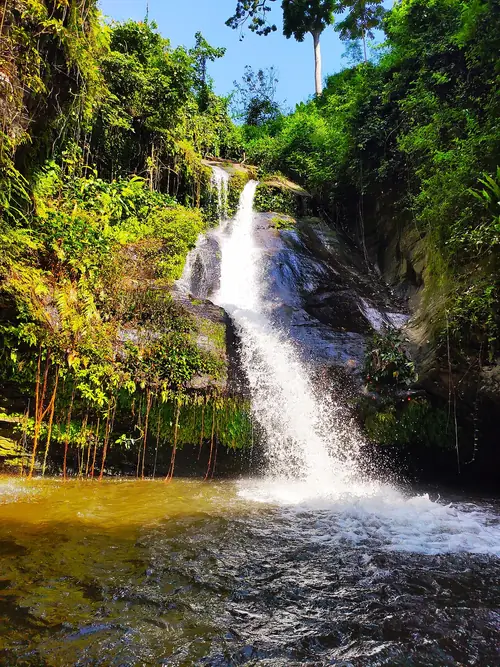
The must-sees: Koutammakou, Lake Togo and Togoville, Womé Falls.
Which cities should I visit in Togo?
Lomé, Kpalimé, Aného. The capital is Lomé.
How much should I budget for a trip to Togo?
Budget: around €30–60 per person per day, excluding flights. This is only a guide and depends above all on the accommodation and activities you choose.
What currency and languages are used in Togo?
Currency: West African CFA franc (XOF). Languages: French, Ewe, Kabiye.
How do I get to Togo?
The main international airport has the code LFW. Compare flights with the ‘Flights’ button on this page.
Do I need a visa to visit Togo?
Entry requirements depend on your nationality and change regularly. Check them on the country's official website or with your foreign ministry before booking, and make sure your passport is valid.
What should I eat in Togo?
Dishes to try while you're there: Fufu, akoumé, koklo mémé.
Map
Togo on the map
Cities Places to see · Approximate positions
On the ground
Getting around and staying healthy
Getting around
Togo is narrow and compact, so everything is by road: there are no scheduled domestic flights or passenger trains. Bush taxis and minibuses link Lomé with Kpalimé, Atakpamé, Sokodé and Kara from the bus stations, and a few coach companies serve the north. In Lomé, zémidjans (motorbike taxis) are the fastest option, and the Gozem app lets you order a ride. A car with driver is convenient for the hills around Kpalimé; in the far north, check security advice. Driving is on the right.
Health and safety
Yellow fever
Vaccination certificate required on entry for all travellers (from 9 months); vaccine recommended for the whole country (from 9 months).
Malaria
Present throughout the country: ask a doctor about preventive medication and protect yourself from mosquitoes.
Water and food
Unless your accommodation says otherwise, drink sealed bottled or filtered water, and wash your hands often.
Source: US CDC, November 2026. Rules change: see a travel health clinic before you leave, and the UK Foreign Office travel advice for safety.
Useful numbers
Local emergency numbers
Police: 117 Ambulance: 8200 Fire: 118 From a mobile phone: 161 according to France Diplomatie, 116 according to Viaggiare Sicuri; the FCDO also lists 177 for the police. Gendarmerie: 172.
Belgian embassy in Abidjan (Côte d'Ivoire) for consular matters; Belgian embassy in Cotonou (Benin) for diplomatic matters · +225 27 22 48 33 60 · website
Sources: France Diplomatie, Viaggiare Sicuri, Belgian Foreign Affairs, GOV.UK, checked in November 2026. All 54 countries
Entry requirements (visas, vaccinations) and security conditions change regularly: check them with the official authorities before booking.
Affiliate cookiesWe would like to load a script from our partner Travelpayouts. It may set cookies so that we receive a commission when you book through our links, at no extra cost to you. If you decline, the site works in exactly the same way. Find out more
 AfriqueUnie
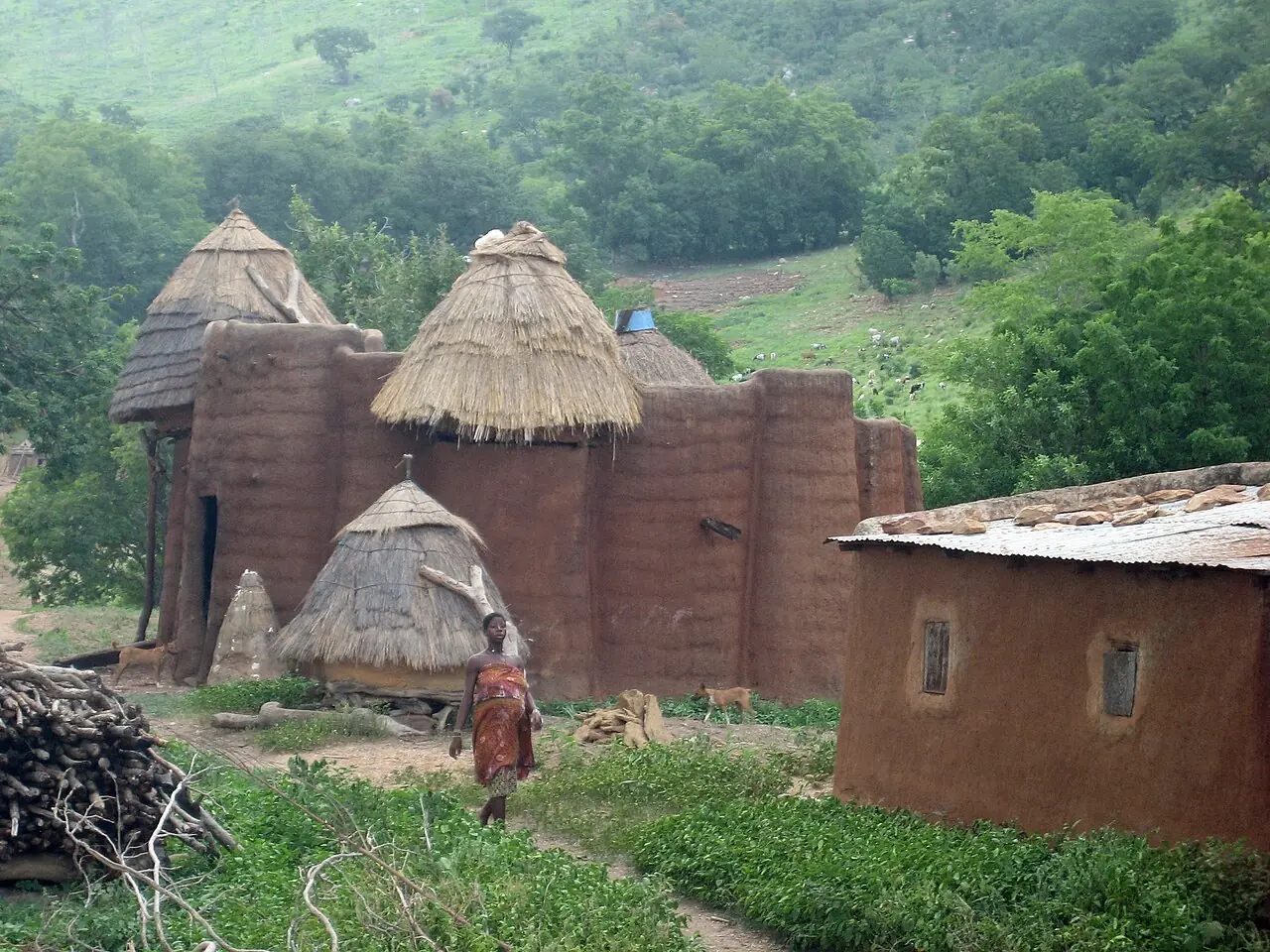 Photo: Erik Kristensen · CC BY 2.0
 Togo

 Burkina Faso
 Cape Verde
 Côte d'Ivoire
 Ghana
 Guinea
 Guinea-Bissau
 Liberia
 Mali
 Mauritania
 Niger
 Nigeria
 Senegal
 Sierra Leone
 The Gambia