 AfriqueUnie
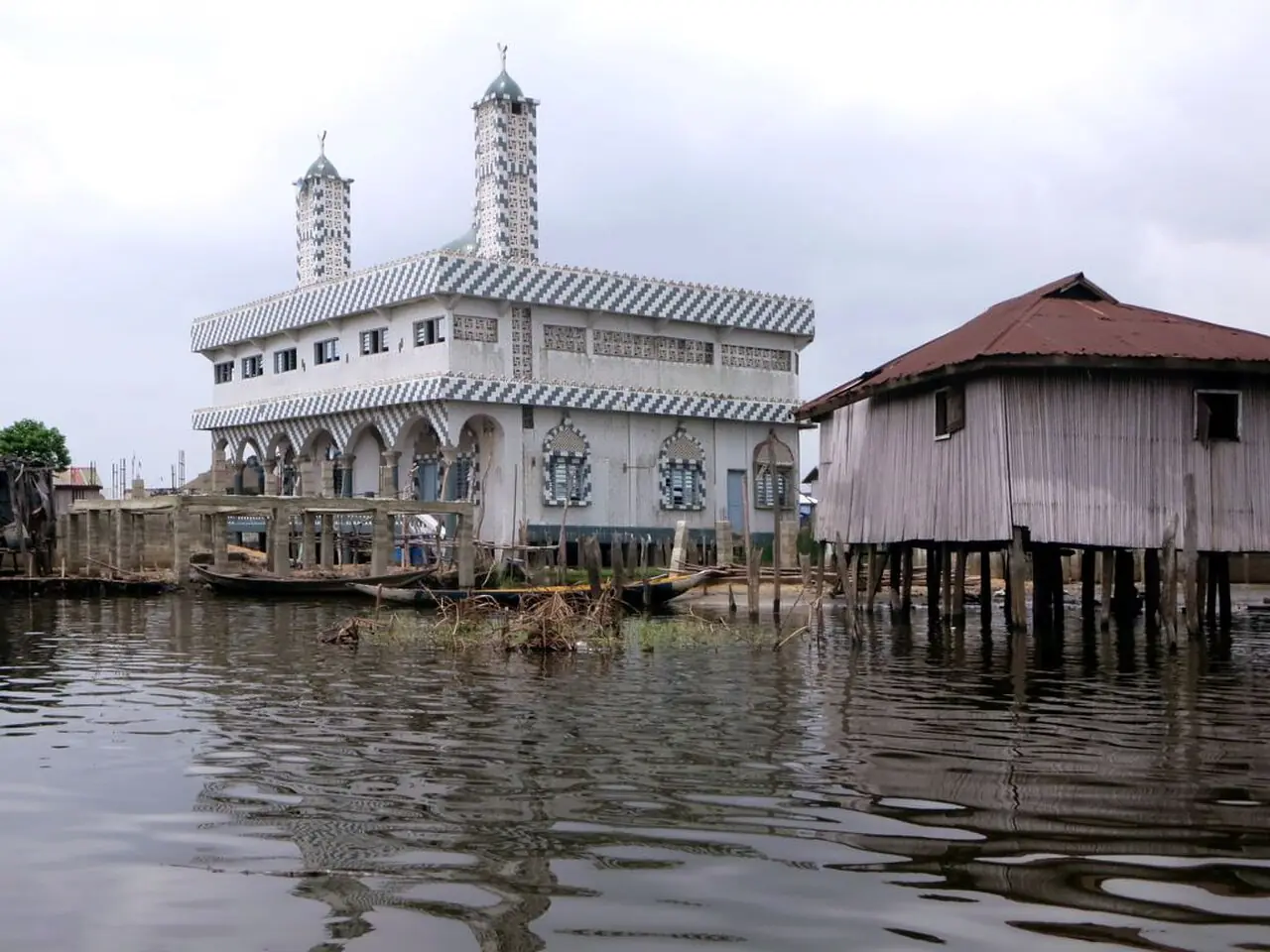 Photo: David Stanley from Nanaimo, Canada · CC BY 2.0
Published by Adama Doumbia, founder of Afrique Unie · updated 28 November 2026 · our method and sources
Benin and Togo are two small neighbouring countries on the Gulf of Guinea, French-speaking, welcoming and still little visited by tourists. They share the same vodun culture, a coastline lined with lagoons and coconut palms, and a cuisine where maize paste and grilled fish reign supreme.
Benin appeals with its historical and spiritual heritage, from Ouidah to Abomey. Togo, more compact, offers the gentle hills of Kpalimé and the buzz of Lomé. In both cases, the north of the country is subject to security warnings you need to know about before you go. Here is our comparison.
 Benin |  Togo | |
|---|---|---|
| Capital | Porto-Novo (official) · Cotonou (seat of government) | Lomé |
| Best time to go | November to February | November to February |
| Budget | Budget | Budget |
| Currency | West African CFA franc (XOF) | West African CFA franc (XOF) |
| Languages | French, Fon | French, Ewe, Kabiye |
| Dishes to try | Amiwo (red maize paste), grilled fish | Fufu, akoumé, koklo mémé |
History and heritage
BeninBenin wins clearly: Ouidah and its Slave Route to the Door of No Return, the UNESCO-listed Royal Palaces of Abomey, Porto-Novo and its museum, and the lake village of Ganvié. Togo has some fine sites, such as Togoville on Lake Togo, but its heritage is less dense and part of it lies in the north.
Vodun culture
BeninVodun was born in this region and remains very much alive on both sides of the border. Benin has made it a national holiday, celebrated every January in Ouidah with ceremonies and processions. In Togo, the Akodessewa fetish market in Lomé and ceremonies in the villages of the Maritime region also offer powerful immersion.
Nature and hiking
TogoTogo takes the lead in the south, with the Kpalimé region: forested hills, waterfalls, coffee and cocoa plantations, and Mount Agou, the country's highest point. In Benin, the great northern parks, Pendjari and W, are now advised against by several governments; the south still has lakes, lagoons and the Bouche du Roy mangroves.
Budget
A drawBoth countries are rated ‘budget’ on our site. You will find simple, cheap accommodation, maquis where you can eat for little, and zemidjans, the ubiquitous motorbike taxis. Upmarket hotels in Cotonou and Lomé, however, are considerably more expensive. A draw.
Best time to go
A drawIn both countries, the best period is from November to February, during the dry season, although the harmattan can haze the sky in December and January. January lets you attend Benin's vodun festival. The main rainy season, from April to July on the coast, makes some tracks difficult.
Getting there and safety
A drawCotonou and Lomé are linked to Paris by direct flights of around six to six and a half hours, and the two cities are only a few hours apart by road. The south of both countries can generally be visited in reasonable conditions. However, northern Benin and Togo's Savanes region are subject to strong warnings: be sure to check official travel advice before making any plans.