AfriqueUnie
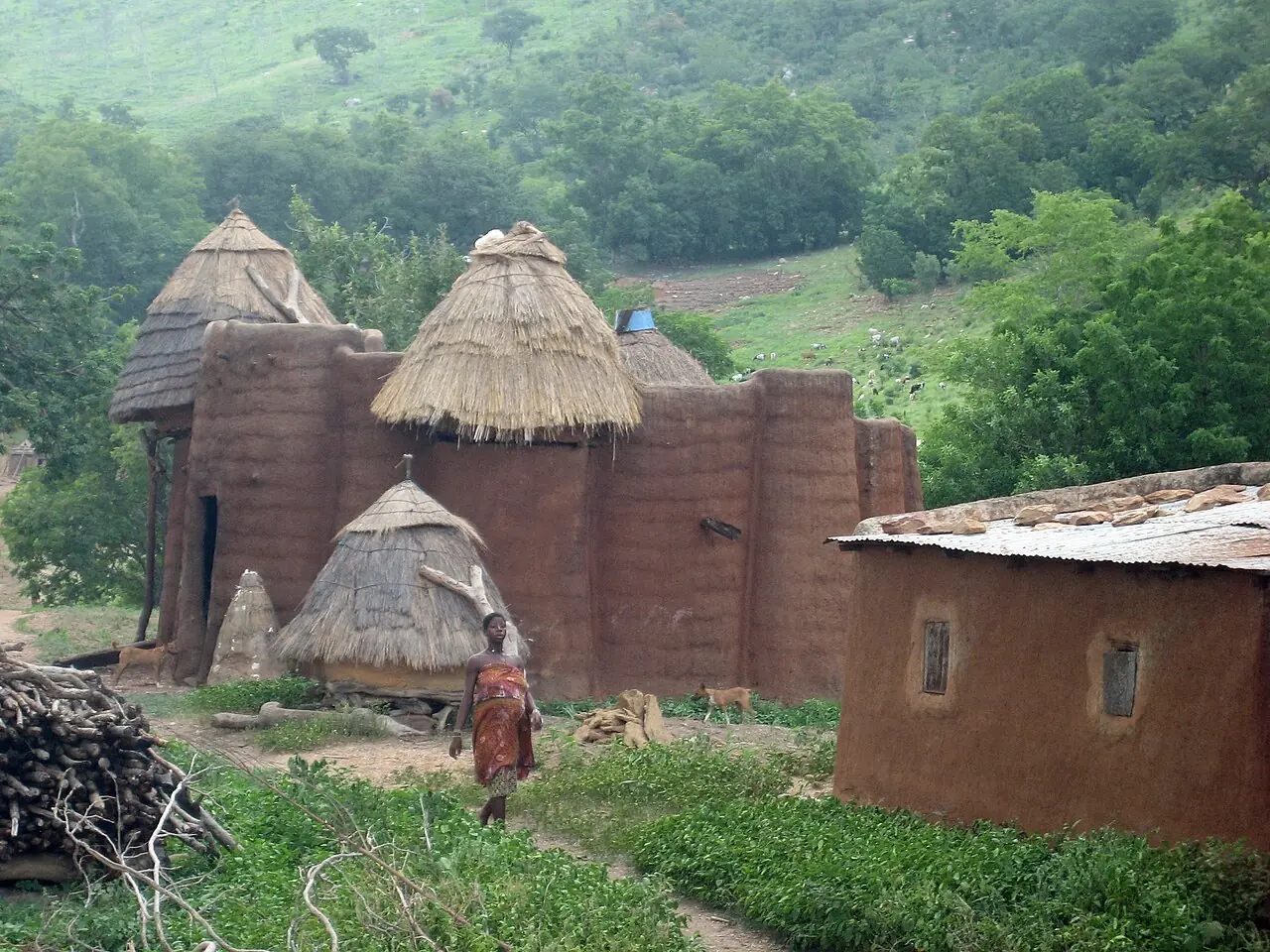 Photo: Erik Kristensen · CC BY 2.0
Published by Adama Doumbia, founder of Afrique Unie · updated 28 November 2026 · our method and sources
Why go
In north-eastern Togo, Koutammakou is the land of the Batammariba, a people whose name means “those who shape the earth”. The landscape, a UNESCO World Heritage Site, extends into neighbouring Benin. It is famous for its takienta, multi-storey earthen tower-houses that look like small fortified castles. Each takienta houses a family, with granaries, bedrooms, kitchen and spaces for animals, on several levels linked by ladders.
These houses are more than dwellings: they also reflect Batammariba cosmology, with every element carrying spiritual meaning. The altars in front of the entrance honour the ancestors, and construction is entrusted to master builders following rules handed down from generation to generation. Life in Koutammakou follows the rhythm of farming, initiation rites and seasonal festivals, in a landscape of savannah and hills.
Getting there
Koutammakou lies east of Kandé, in the Kara region, a long day's drive north of Lomé or about two hours from the town of Kara. You get there by car with a driver or by bush taxi to Kandé, then by track to the villages. A visit with a local guide is essential.
Frequently asked questions
Is Koutammakou safe?
The Togolese part of Koutammakou, in the Kara Region, is rated a heightened-vigilance area by the French government, but it lies close to the Savanes Region, which should be avoided unless essential and where foreigners need written permission from the authorities. On the Benin side, the Boukoumbé area should also be avoided unless essential because of the kidnapping risk. Stay on the Togolese side, travel by day with a guide and check the official advice just before you go.
Do you need a guide to visit Koutammakou?
Yes, a local guide is essential. They introduce you to families, explain the meaning of the takienta and their shrines, and keep you away from places where visitors are not welcome. The houses are lived in, so you only go inside with the occupants' permission.
How much time should you allow for Koutammakou?
Half a day lets you visit a few villages and a takienta, but a night in a homestay or simple camp gives you time to understand daily life. From Lomé it is a long day's drive, so most travellers break the journey in Kara. Do not drive at night, as the French authorities advise.
When is the best time to visit Koutammakou?
The dry season, from November to February, is the best time: tracks are passable and the heat is bearable. In the rainy season, tracks can become difficult and a four-wheel-drive vehicle is recommended. Festivals and initiation rites follow each village's own calendar, so ask your guide whether any take place during your stay.
Can you photograph the takienta and the people who live there?
Yes, as long as you always ask permission before photographing a house, a person or a shrine. The shrines in front of the entrances honour the ancestors, so do not touch them. Your guide will tell you what can be photographed.
 Benin
 Côte d'Ivoire
 Nigeria