AfriqueUnie
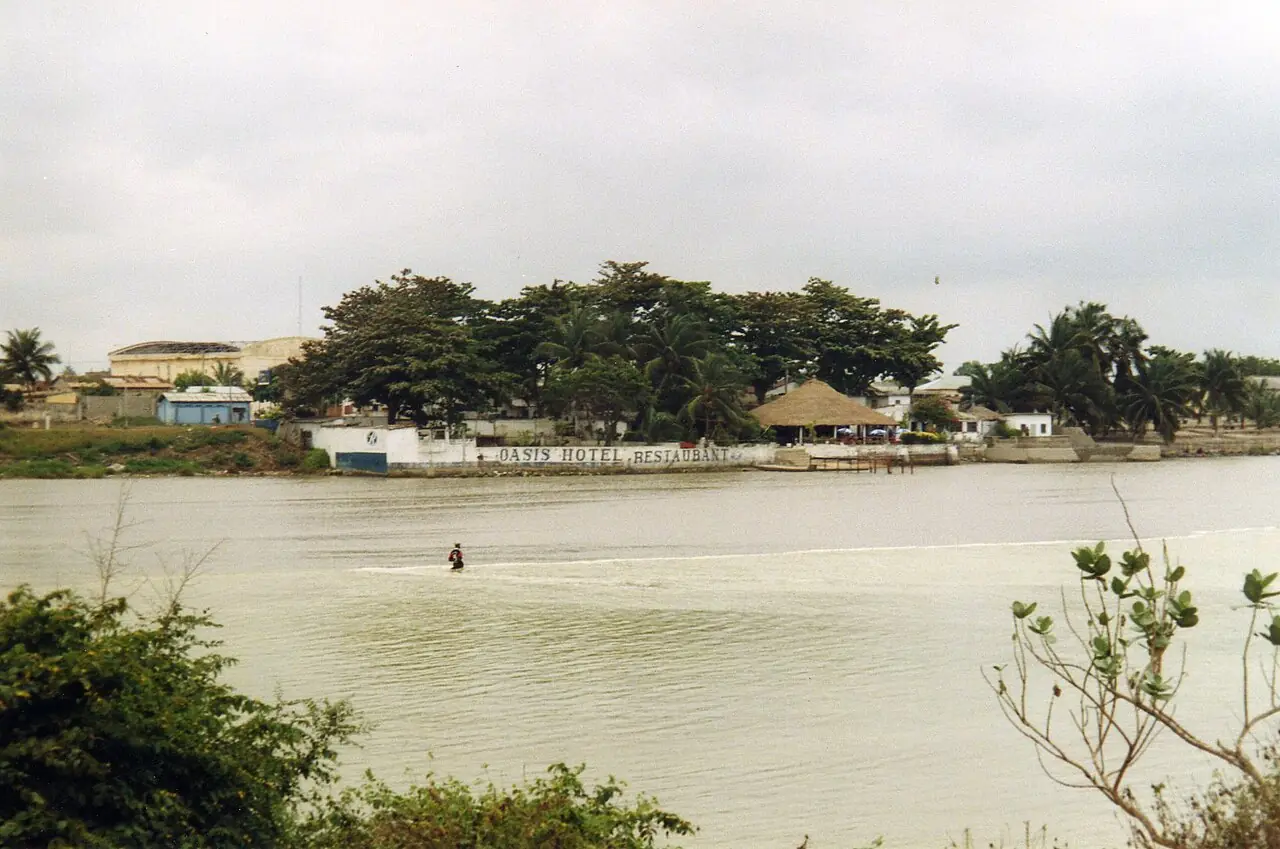 Photo: MaHeHoe · CC BY-SA 3.0
Published by Adama Doumbia, founder of Afrique Unie · updated 28 November 2026 · our method and sources
Why go
Some thirty kilometres east of Lomé, Lake Togo is a vast lagoon separated from the ocean by a coastal sandbar and fringed with coconut palms and fishing villages. On its northern shore, Togoville is a major historic and spiritual site: it was here in 1884 that the German Gustav Nachtigal signed the treaty with Chief Mlapa III that made Togo a German protectorate, and the town gave its name to the country.
Togoville is also a stronghold of both vodun and Christianity. Vodun shrines stand alongside the cathedral, built in the German era, and the Marian shrine, linked to a reported apparition of the Virgin on the lake, which draws pilgrims. Pope John Paul II came here in 1985. In the lanes you'll find altars, temples and the house of King Mlapa's family. Crossing the lake by pirogue, among the fishermen and birds, is a peaceful interlude.
Getting there
From Lomé, allow about forty-five minutes' drive east to Agbodrafo, on the southern shore of the lake. From there, pirogues cross to Togoville in about twenty minutes; agree the price of the return trip before you set off. You can also reach Togoville by the longer road around the lake.
Frequently asked questions
How do I get to Togoville from Lomé?
Allow about 45 minutes by road east to Agbodrafo, then around 20 minutes by pirogue across the lake. Take a taxi or a car with a driver rather than a motorbike taxi, which the French government advises against because of frequent accidents. Agree the price of the crossing before you board and check that life jackets are available.
Can you swim in Lake Togo?
The lake is shallow and used for water sports, but ask locally before swimming, especially about water quality. Do not confuse it with the nearby ocean: the French government warns that swimming off the Togolese coast is dangerous because of strong currents. Only a few designated spots allow careful swimming there.
How long does it take to visit Togoville?
Half a day is enough for the crossing and the village, or a full day if you add lunch by the lake and a visit to Aného. Hire a local guide in Togoville to understand its history and places of worship. Respect the vodun shrines and always ask before taking photos.
Why is Togoville important in Togo's history?
It was in Togoville, in 1884, that the German explorer Gustav Nachtigal signed the treaty with Chief Mlapa III that made the territory a German protectorate. The town, long known simply as Togo, gave its name to the country. Its German-era cathedral and the royal family's house can still be seen.
What is there to see around Lake Togo?
Aného, the former colonial capital a little further east, has old buildings and a strong vodun tradition. In Agbodrafo, where the pirogues leave from, the slave house known as Wood Home, built around 1835, recalls the clandestine slave trade of the 19th century. The fishing villages along the shore can also be explored by pirogue.
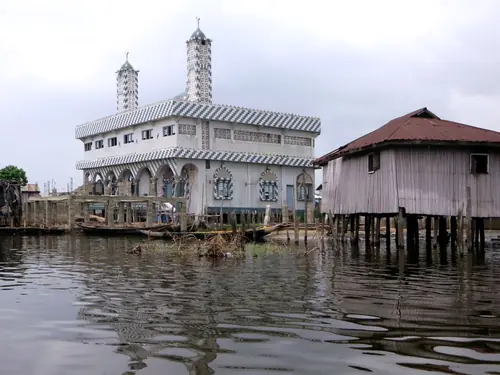
 Benin
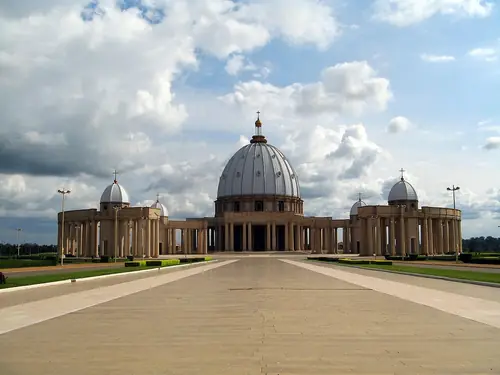
 Côte d'Ivoire
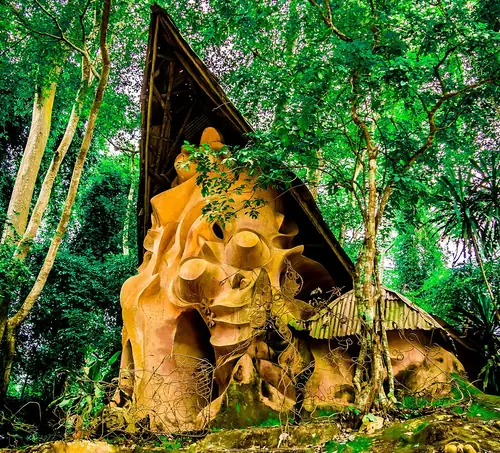
 Nigeria