AfriqueUnie
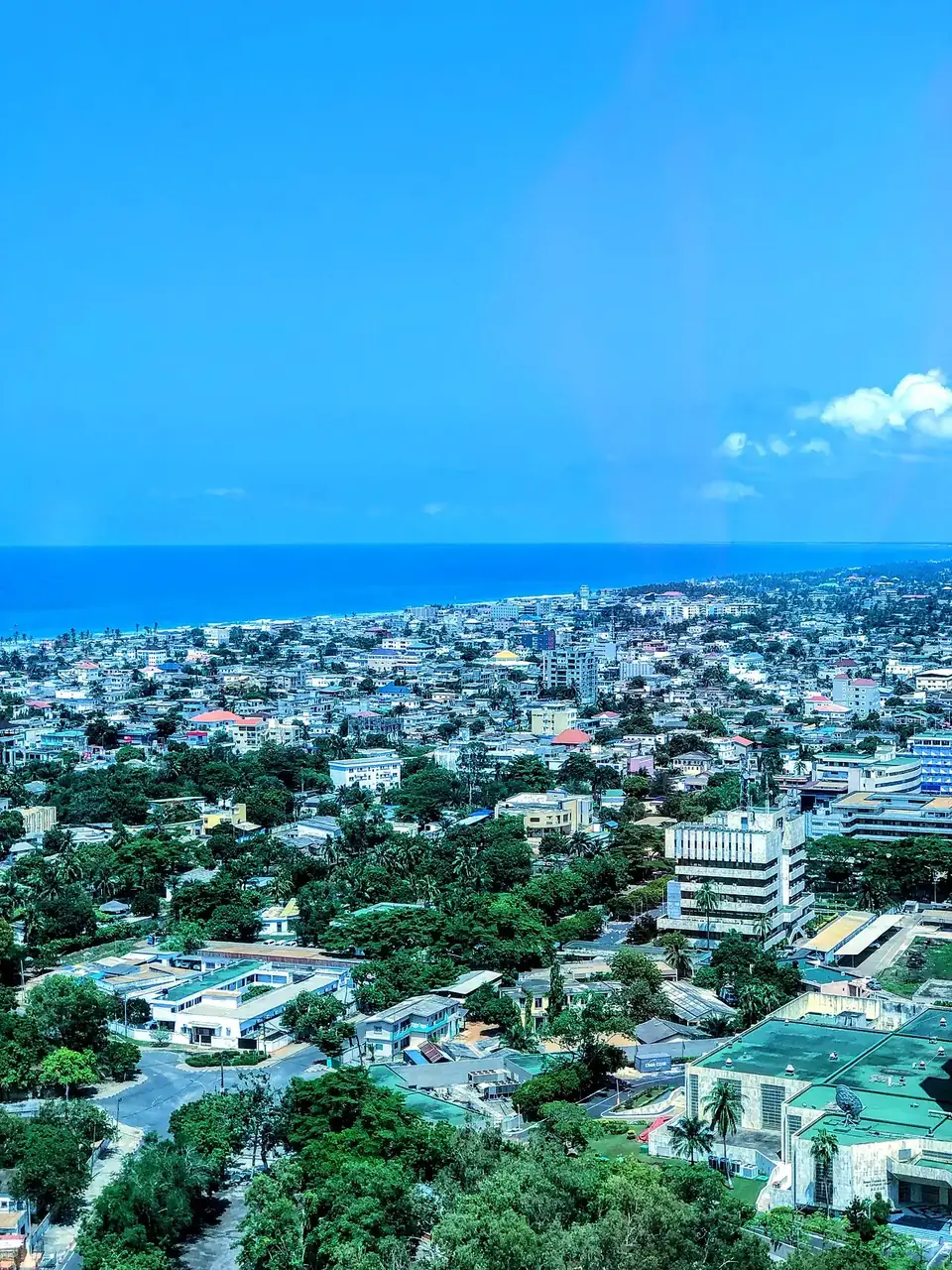 Photo: Reich geck · CC BY 4.0
Published by Adama Doumbia, founder of Afrique Unie · updated 28 November 2026 · our method and sources
Why visit Lomé?
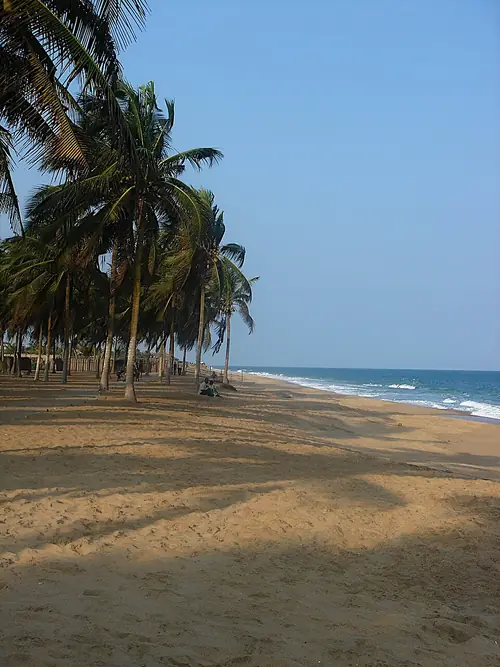
Lomé is one of the few African capitals to sit right on a border: its western edge touches Ghana, and the city stretches along the ocean on a strip of sand lined with coconut palms. It is a human-scale city, more peaceful than its big neighbouring metropolises, with wide boulevards, residential neighbourhoods and a relaxed atmosphere. It's a pleasure to explore by zémidjan or on foot late in the day.
The historic centre is organised around the Grand Marché, Assigamé, a huge multi-storey building where market women sell cloth, spices, dried fish, utensils and a thousand other things. This is where the Nana Benz, Togolese businesswomen, made their fortunes in the cloth trade, to the point of being driven around in Mercedes. The Gothic-inspired Sacred Heart Cathedral, built by the Germans, stands nearby.
Lomé is also home to the Akodessewa fetish market, one of the most impressive in West Africa, which sells animal skulls, statuettes and the ingredients of traditional vodun medicine. The Palais de Lomé, the former governors' palace, renovated and turned into a cultural centre in the middle of a large park, hosts exhibitions and contemporary art.
Things to do in Lomé: 6 ideas
- 01Grand MarchéExplore the floors of Assigamé market, especially the level devoted to cloth.
- 02Akodessewa fetish marketA guided visit to understand the vodun pharmacopoeia, with a fee for entry and for photography.
- 03Palais de LoméA former colonial palace turned art centre, surrounded by a pleasant park.
- 04Independence MonumentThe city's emblem, in the middle of a vast square, best seen late in the day.
- 05The seafrontA sunset stroll along the boulevard, between coconut palms and coconut sellers.
- 06National MuseumA modest but informative collection on Togolese cultures, in the Palais des Congrès.
Lomé in one day
- 01MorningArrive around 8 am at Assigamé, the Grand Marché in the heart of the city: spices, dried fish and wax cloth, the domain of the famous Nana Benz traders. Keep your belongings close, then step out to see the Sacred Heart Cathedral, completed by the Germans in 1902, right next door.
- 02LunchEat at a maquis in the centre: akoumé, maize paste, with okra sauce or ademe leaf sauce, or grilled fish with chilli. Have a chilled bissap or ginger juice, and choose a busy place where dishes sell quickly.
- 03AfternoonTake a yellow-plate taxi, safer than the zémidjan motorbike taxis the French foreign ministry advises against, to the Palais de Lomé, the former governors' palace turned arts centre, with its large park now a botanical garden. Finish at the Independence Monument, on its vast square, in the late-afternoon light.
- 04EveningHave dinner at a maquis in Tokoin or Bè, by taxi both ways. Stay away from the beach, the seafront and the surroundings of nearby hotels after sunset: French authorities advise walkers against them in the evening, as knife attacks have been reported.
A second day in Lomé
- 01MorningVisit the Akodessewa fetish market, in the east of the city, early with the site's guide, and agree in advance on the price of the visit and photos. Then drive east to Agbodrafo, on the shore of Lake Togo, about 30 kilometres away.
- 02LunchIn Agbodrafo, take a pirogue across Lake Togo to Togoville, then have grilled lake fish with maize paste and a spicy sauce. Agree the return fare before boarding, and keep your phone in a dry bag.
- 03AfternoonExplore Togoville, the village that gave the country its name: the Cathedral of Our Lady of Lake Togo, built in 1910 and decorated with African saints, the house of the descendant of King Mlapa III, who signed the 1884 treaty with Germany, and the vodun sculptures outside homes.
- 04EveningCross back over the lake in the late afternoon and return to Lomé before dark, as roads are poorly lit and night driving is advised against. For your last evening, dine near your accommodation, in Tokoin or Résidence du Bénin, rather than on the seafront.
A little history
Before the Europeans arrived, Lomé was just a small Ewe village between the lagoon and the ocean; its name is said to come from “alo”, a shrub that grew here in abundance. In the late 19th century, traders settled here to escape the taxes of the neighbouring British Gold Coast, and in 1884 Germany established its protectorate over Togo. Lomé became its capital in the late 1890s: the Germans built a wharf, railway lines into the interior and the Sacred Heart Cathedral.
After the First World War, German Togoland was divided between France and Britain. Lomé remained the capital of the part placed under France, while the west later joined Ghana, which explains the border that runs along the city today. Togo declared independence on 27 April 1960, with Sylvanus Olympio as its first president, and the Independence Monument marks the event in the heart of the city.
Since then, Lomé has become a major trading hub for the region thanks to its deep-water port, one of the busiest on the West African coast. The cloth trade, long dominated by the Nana Benz, and commerce with neighbouring and Sahelian countries keep alive a city that now stretches far along the coast and northwards.
What to eat in Lomé
Togolese food is built around maize or yam dough served with slow-cooked sauces. Try pâte (or akoumé) with okra or peanut sauce, fufu made from pounded yam with a light fish or meat soup, ademe, a leafy green sauce, and grilled fish with chilli. On the streets you'll find fritters, fried yam and ablo, small steamed maize breads, everywhere.
To drink, bissap and ginger juice are a must, as are the beers brewed in Togo. Stronger still, sodabi, a spirit distilled from palm wine, is best drunk in moderation; in the north of the country, people also make tchoukoutou, a millet beer. To eat, the maquis and drinking spots of Bè, Tokoin or the seafront serve simple, friendly food; pick busy places and well-cooked dishes.
Where to stay in Lomé
The centre, near the Grand Marché and the seafront, suits those who want to do everything on foot, with simple and mid-range hotels. The more residential districts of Tokoin and Résidence du Bénin have quiet hotels and guesthouses. Along the coast to the east, towards Baguida and Avépozo, you'll find beach hotels and quieter inns, popular for unwinding.
Getting there and getting around
Gnassingbé Eyadéma International Airport (code LFW) is to the north-east of the city, just a few kilometres from the centre. The taxi ride is short outside rush hour; if you land at night, the easiest option is to ask your hotel to arrange the transfer.
In town, zémidjans, the motorbike taxis whose riders often wear brightly coloured shirts, are the most common way to get around, fast but less safe; insist on a helmet. Taxis and ride-hailing apps are more comfortable for longer trips. Always agree on the fare before setting off. The Aflao border post with Ghana is west of the centre, a few minutes from the Grand Marché.
The currency is the West African CFA franc, pegged to the euro. ATMs are plentiful in the centre and the business districts, and cards are accepted in some hotels and supermarkets, but cash is essential in markets and on public transport.
Frequently asked questions
How many days do you need in Lomé?
Two days are enough for the Grand Marché, the Akodessewa fetish market, the Palais de Lomé and a stroll along the seafront. Add a day or two for Lake Togo and Togoville, or for the green hills around Kpalimé, a few hours' drive away.
When is the best time to visit Lomé?
The dry season, from November to March, is the most pleasant, although the harmattan sometimes veils the sky with dust between December and February. The main rainy season usually runs from April to July, followed by shorter rains in September and October.
Do you need a visa for Lomé?
Yes, for most travellers. You apply for an e-visa online on the official voyage.gouv.tg website at least five working days before you leave; visas are no longer issued on arrival. A yellow fever vaccination certificate is also required. Check the latest rules on your government's travel advice website before booking.
Can you travel from Lomé to Accra by road?
Yes, the border with Ghana is on the western edge of Lomé, at the Aflao crossing. Buses and shared taxis link the two capitals in a few hours, depending on the wait at the border and the traffic coming into Accra. Get your Ghanaian visa in advance: it cannot be obtained at the border.
Is Lomé safe for tourists?
Lomé has a reputation as a fairly calm city, but you need to stay alert: avoid walking alone at night, especially on the beach, carry few valuables and keep away from gatherings and demonstrations. Read your government's travel advice before you go.
What is there to do in Lomé in the evening?
Eat at the maquis of Tokoin, Bè or Résidence du Bénin, or catch a concert in town, getting around by taxi. The French foreign ministry advises walkers against the beach, the seafront and the Ghana border area after sunset, and against travelling on foot or by motorbike at night.
How do you get to Lake Togo and Togoville from Lomé?
Go to Agbodrafo, on the southern shore of Lake Togo, about 30 kilometres east of Lomé, by taxi or car with driver, then cross the lake by pirogue to Togoville. It makes an easy day trip; leave in the morning to be back before dark.
 Togo