AfriqueUnie
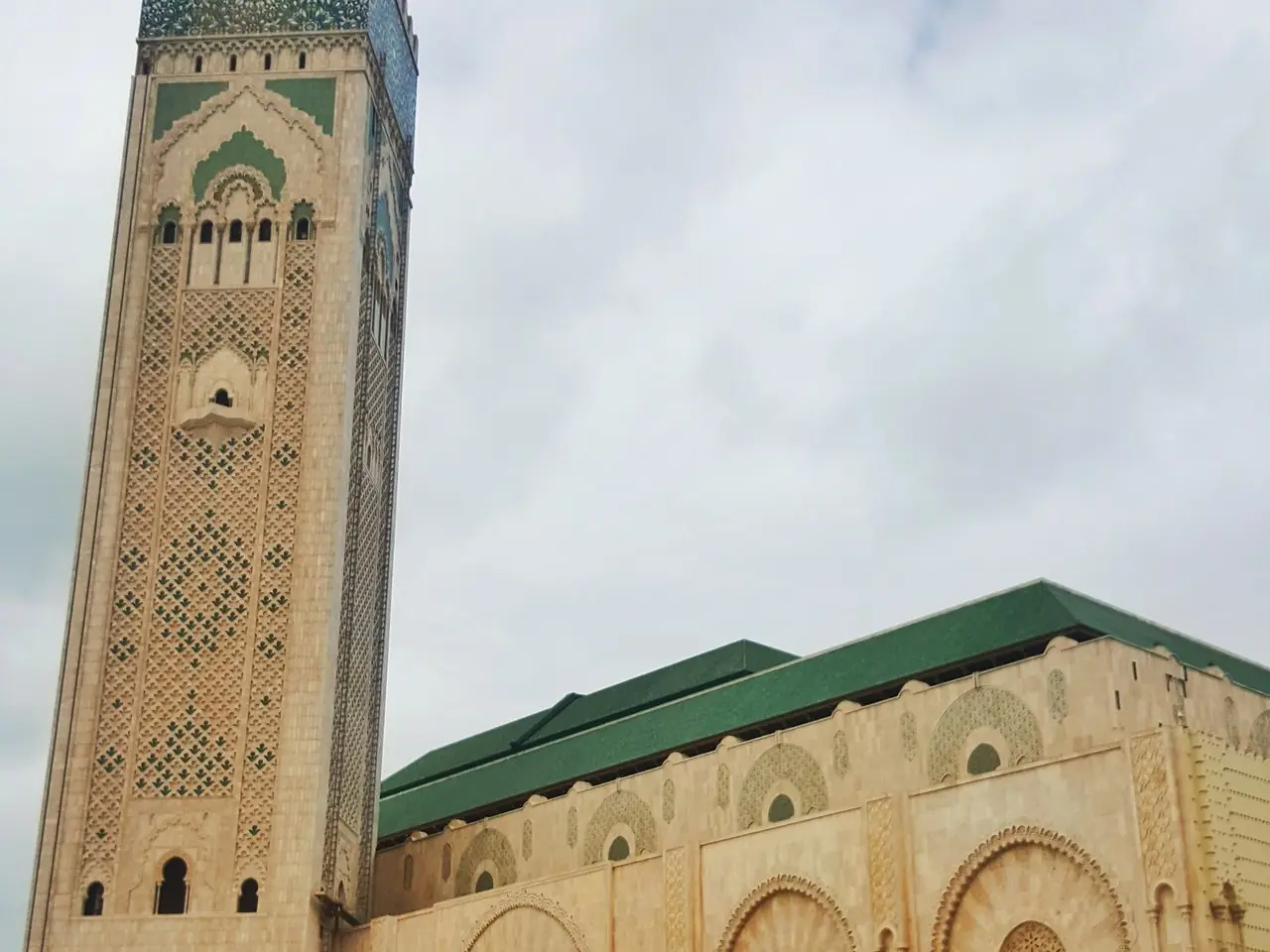 Photo: Dahbi fatima zahrae · CC BY-SA 4.0
Published by Adama Doumbia, founder of Afrique Unie · updated 28 November 2026 · our method and sources
Why visit Casablanca?
Casablanca is like no other Moroccan city, and that is exactly why it deserves a stop. The country's economic capital and the largest metropolis in the Maghreb, it grew at lightning speed in the 20th century and has kept a remarkable architectural heritage from that time: Art Deco, neo-Moorish and modernist buildings, wrought-iron balconies, white façades adorned with geometric patterns. The centre, around Boulevard Mohammed V and Place des Nations-Unies, can be explored like an open-air museum.
The monument that draws every eye is the Hassan II Mosque, completed in 1993 and built partly over the sea. Its minaret, one of the tallest in the world, towers over the ocean, and the interior showcases the very best of Moroccan craftsmanship: marble, zellige, cedarwood and retractable ceilings. It is one of the few mosques in the country open to non-Muslims, on guided tours outside prayer times.
Casablanca is also a city of today: the Aïn Diab corniche and its beach clubs, the Habous quarter built in the 1930s in neo-traditional style with its religious bookshops and pastry shops, the old medina near the port, the fish markets and the cafés where people put the world to rights. It is the ideal place to understand urban, contemporary Morocco.
Things to do in Casablanca: 6 ideas
- 01Visiting the Hassan II MosqueGuided tours let you admire the prayer hall, the fountains and the hammam in the basement. Check the times, which change on Fridays.
- 02An Art Deco stroll through the city centreLook up along Boulevard Mohammed V and around the Central Market: friezes, ironwork and period shop signs.
- 03The Habous quarterArcaded lanes, an olive souk, copper craftsmen and traditional pastry shops in a 1930s setting.
- 04The Aïn Diab cornicheFor a sunset over the Atlantic, a seaside walk or a fish supper facing the waves.
- 05The Central MarketStalls of fish, olives and flowers, and small counters where they will grill the catch of the day for you.
- 06The Museum of Moroccan JudaismLocated in the Oasis district, it traces the long history of Morocco's Jewish communities.
Weekend trips from Casablanca: where to go
Where to stay in Casablanca
The city centre and the lively, shop-filled Maarif district are convenient for getting around on foot or by tram. Gauthier and Racine are packed with cafés and fashionable spots. Aïn Diab, along the corniche, suits those who want the sea, with beach hotels. For a stopover, hotels near Casa-Voyageurs station make train connections easy, especially to Mohammed V Airport.
See places to stay in Casablanca
Frequently asked questions
How do I get from Mohammed V airport to central Casablanca?
The train links the airport, about 30 km south, with Casa-Voyageurs and Casa-Port stations in roughly 40 minutes to an hour, depending on the station. Official grand taxis are the alternative, with the fare agreed before you set off.
How can I visit the Hassan II Mosque?
Non-Muslims can visit only on guided tours, held several times a day outside prayer times, with fewer slots on Fridays. Modest dress is required and shoes come off inside. Times change during Ramadan, so check them with the foundation that runs the site.
How long should I stay in Casablanca?
One busy day covers the essentials; two days let you add the Habous quarter, the Museum of Moroccan Judaism and an evening on the corniche. Rabat, about an hour away by train, makes an easy day trip.
Is Casablanca safe?
Morocco is considered safe, but France calls for extra vigilance in big cities such as Casablanca, where thieves on motorbikes snatch bags and phones. Use official taxis, avoid deserted parks and beaches at night and don't carry valuables in the evening. Take care crossing roads, as pedestrians are very exposed to traffic accidents.
Can you swim in Casablanca?
Yes, on the beaches of the Aïn Diab corniche, but with great care: France stresses the strength of tides and currents, even on supervised beaches, and how frequent drownings are. Swim near lifeguard posts, in summer, and never alone.

 Morocco